
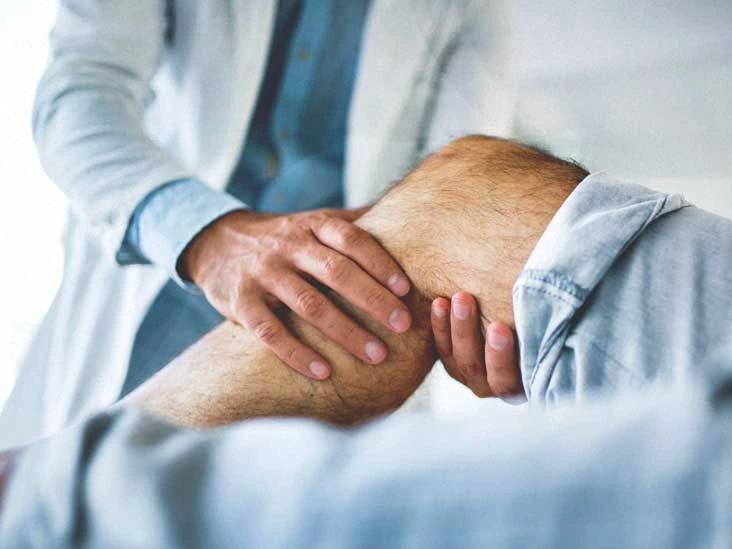
Knee buckling happens when one or both knees feel unstable and collapse or give way. It may be accompanied by pain, though that isn’t always the case. When it occurs frequently, it can indicate an underlying medical issue.
It’s also known as knee instability or having weak knees.
Recurrent knee buckling can increase your likelihood of falls and injuries, so it’s important to consult a healthcare provider to identify the root cause. Continue reading to learn about common reasons for knee buckling and available treatment options.
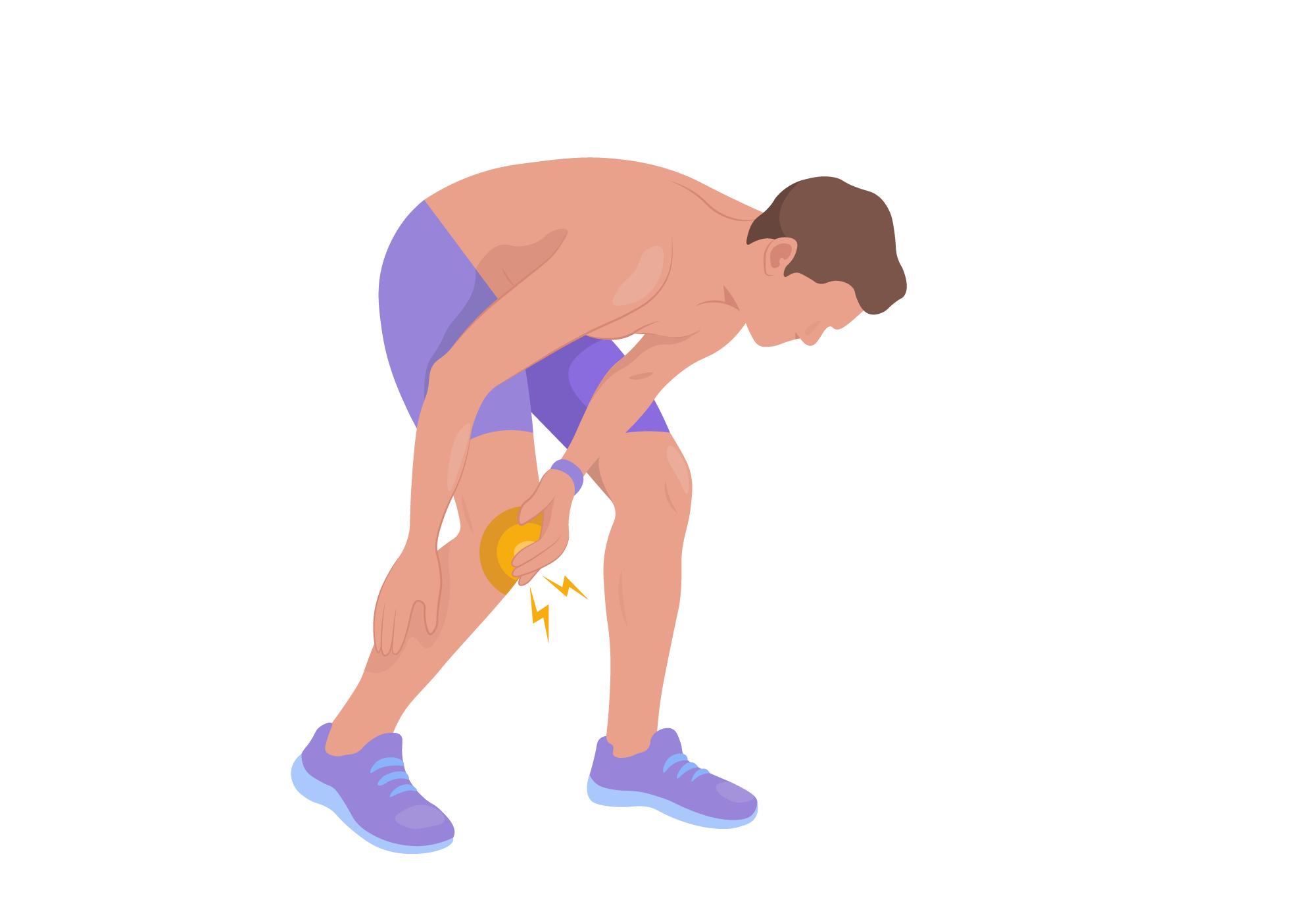
Injury
A large portion of knee instability results from injuries, whether from high-impact activities like running or from trauma. Typical knee injuries include:
- ACL tears
- meniscal tears
- loose bodies (fragments of bone or cartilage floating inside the knee)
Besides instability, injured knees commonly exhibit pain and swelling.
Knee buckling caused by injury generally improves once the injury itself is treated. Depending on the damage, treatment may include physical therapy or surgical repair. During recovery, try to avoid placing weight on the affected knee when possible.
Nerve damage
The femoral nerve is one of the major nerves supplying the lower limb. Femoral neuropathy — dysfunction of the femoral nerve — can produce knee weakness, increasing the tendency for the knee to buckle. Other signs of femoral nerve problems include:
- pain
- tingling
- burning sensations
- numbness in parts of the thigh or lower leg
Various factors can lead to femoral neuropathy, such as:
- diabetes
- certain medications
- arthritis
- excessive alcohol use
- neurological conditions like fibromyalgia
- injury
Treatment depends on the underlying cause but may include surgery, pain-relief medications, or lifestyle adjustments. While neuropathy is often not fully curable, therapies can reduce symptoms or slow progression.
Plica syndrome
Plica syndrome stems from inflammation of the medial plica — a fold in the synovial lining of the knee joint. Along with knee buckling, plica syndrome may cause:
- clicking or popping noises in the knee
- inner-knee pain
- tenderness and pain around the kneecap
Most instances of plica syndrome follow a knee injury or result from repetitive overuse.
Treatment commonly focuses on physical therapy to strengthen the muscles around the knee. Corticosteroid injections may be used to reduce inflammation, and rarely, surgery to trim or remove the plica may be recommended.
Arthritis
Arthritis is inflammation of the joints and frequently affects the knees.
There are several types of arthritis, but knee buckling is a frequent symptom of both osteoarthritis and rheumatoid arthritis — the latter being an autoimmune disorder. Rheumatoid arthritis often involves both knees, while osteoarthritis can affect just one.
Both osteoarthritis and rheumatoid arthritis can also produce:
- pain
- stiffness
- a sensation of locking or catching
- grinding or clicking noises
Although arthritis can’t be cured, these treatments can help control symptoms:
- medications such as nonsteroidal anti-inflammatory drugs (NSAIDs)
- corticosteroid injections
- physical therapy
- using assistive devices like a knee brace

Multiple sclerosis
Some individuals with multiple sclerosis (MS) report episodes of knee buckling. MS causes the immune system to attack the protective covering of nerves, leading to a variety of neurological symptoms.
Although research directly linking knee buckling to MS is limited, leg weakness and numbness are common MS symptoms and can create the sensation of a knee giving way.
MS symptoms vary widely between people, but other typical signs include:
- vision problems
- fatigue
- dizziness
- tremors
There’s no cure for MS at present, but corticosteroids can reduce nerve inflammation during flare-ups. Muscle relaxants may help if you have frequent stiffness or spasms in your legs.
Until your appointment
Frequent knee buckling may signal an underlying problem or injury, so seeing a healthcare professional is advisable.
Meanwhile, rest the knee and consider applying a warm or cold compress. Wearing a knee brace or using a cane can help lower your fall risk when your knees give way.
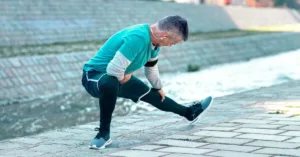
You might also try exercises designed to strengthen weak knees.
The bottom line
Knee buckling can be a minor nuisance or a serious safety concern. Depending on the cause, management may range from physical therapy to surgery.
Work with your healthcare provider to identify the reason your knees are buckling, and take extra care when navigating stairs or uneven surfaces.

















Leave a Reply
You must be logged in to post a comment.