

While very hot, fast-consumed foods are often discouraged for people with GERD, you can still relish soups by following a few straightforward tips.
Gastroesophageal reflux disease (GERD) is a long-term disorder in which stomach acid flows back into the esophagus due to a malfunctioning sphincter.
Because the amount of stomach acid produced is closely linked to what you eat, your diet can either improve or exacerbate GERD signs.
Soup is a common choice when you want a nutrient-packed meal, but not every soup is suitable for GERD. When enjoying soup, attributes like temperature and eating pace also play a role.
Which soups are suitable for GERD?
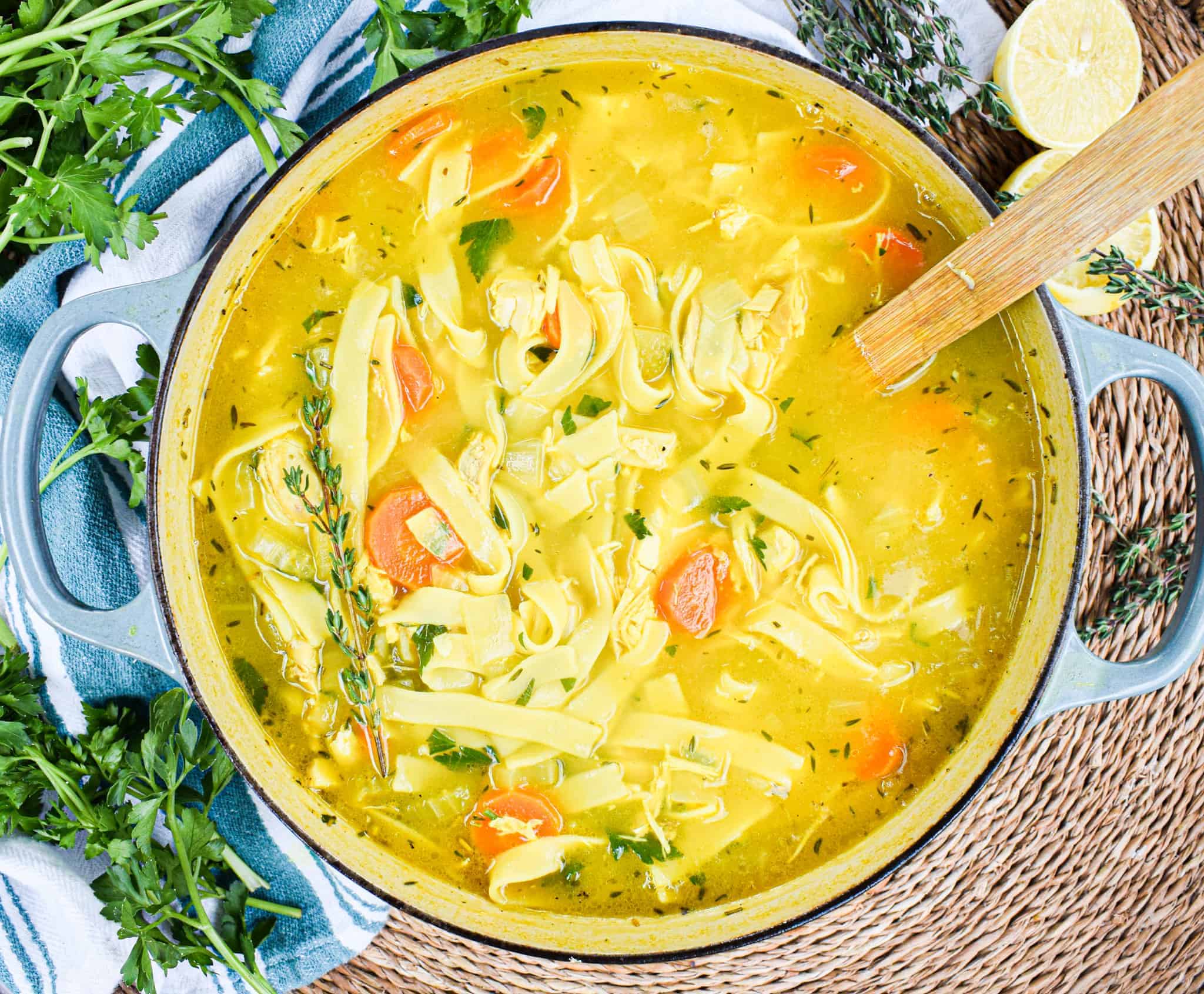
Soups vary widely in flavor and preparation, and even a familiar dish like chicken noodle soup has many recipe differences.
You can include soup in a GERD-friendly diet, but being mindful of several aspects will help prevent inadvertently triggering symptoms.
Temperature and eating speed
Eating foods that are overly hot or swallowing food too fast are possible contributors to worsened GERD. Since soup is usually served warm — and sometimes consumed quickly by sipping — these factors matter.
A 2019 study from China linked soup consumption to GERD flare-ups, although researchers suggest the association is probably due to soup temperature and rapid intake.
Serving soup warm but not scalding hot and eating it more slowly may reduce the likelihood that your soup will provoke reflux symptoms.
Calorie content
Another element to consider is how many calories your soup contains. Soup isn’t always very filling, yet it can be calorie-dense. Adding soup to a meal could unintentionally lead to weight gain, which is another factor that can worsen GERD.
Ingredients
The advantage of soup is that you control what goes into it. That makes homemade soup a great option when managing a health condition.
Some ingredients frequently used in soups but known to aggravate GERD include:
- tomatoes
- spicy seasonings
- mint
- high-fat items (for example, fatty meats and full-fat dairy)
- refined carbs
- onions and garlic
This implies a vegetable- or chicken-based broth is likely preferable to a beef- or tomato-forward soup.
A 2018 population-based study found that daily miso soup — made from fermented soybean paste — was linked to fewer GERD symptoms regardless of age, sex, body mass index (BMI), and other lifestyle factors.
Is chicken noodle soup acceptable for GERD?
Chicken noodle soup can be compatible with GERD if it follows dietary recommendations for this condition. That means leaving out onions and garlic and swapping typical noodles for whole-grain versions or omitting them entirely.
You can also replace cream-based soups with broth bases or choose nonfat dairy alternatives.
Other traditional soups you can adapt for GERD include:
- mixed vegetable soup
- lentil soup
- Italian wedding soup
- potato soup made without cream
Remember, soup recipes are flexible. If you enjoy Italian wedding soup, for example, you can replace beef or pork meatballs with ground turkey.
Can soup reduce acidity?
How soup influences stomach acid depends on its contents.
Generally, protein-rich foods — such as eggs, cheese, and meat — stimulate gastric acid secretion, while vegetables tend to be more alkaline and counteract acidity.
Which foods help soothe acid reflux?
If you’re unsure where to begin with making GERD-friendly soup, certain ingredients are less likely to provoke reflux.
Consider these GERD-friendly soup ingredients:
- high-fiber vegetables, such as celery
- egg whites
- lean proteins like chicken
- whole grains or brown rice
- potatoes and other root vegetables
- unsaturated plant-based or fish-derived fats
What soups should you avoid with GERD?
Given the foods commonly associated with GERD flare-ups, it’s wise to steer clear of soups that are:
- tomato-based
- made with beef or fatty meats
- prepared with full-fat dairy
- heavy on garlic or onions
Typical examples of soups to avoid when made in the traditional way include:
- tomato soup
- leek soup
- French onion soup
- cream of mushroom soup
- broccoli cheddar soup
- New England clam chowder
Other foods that trigger GERD
Since you can put almost anything into soup, it helps to know other common dietary triggers for GERD.
Beyond tomatoes, hot spices, and fatty foods, you may wish to avoid items containing:
- caffeine
- coffee
- chocolate
- peppermint
- citrus fruits
- alcohol
- carbonated beverages
Takeaway
Choosing soups for GERD involves following the standard dietary guidance for this condition: avoid fatty ingredients, strong spices, and acidic foods, among others.
In addition to ingredient choices, soup temperature can worsen symptoms, and sipping soup too fast or adding it to an already calorie-heavy meal may negatively affect GERD.
Consulting your physician or a registered dietitian can help you pick and prepare soups that support, rather than aggravate, your GERD.


















Leave a Reply
You must be logged in to post a comment.