

Experiencing back discomfort after meals can stem from various issues, including digestive problems such as gastroesophageal reflux disease (GERD). If your back becomes painful soon after eating, the sensation might be referred pain originating from irritation in the esophagus. There are, however, other potential explanations.

Back pain is frequently the result of muscle strain or degenerative changes like spinal arthritis. Nerve injury, kidney infections, malignancies, and referred pain can also produce aching and tightness along the back.
When back pain appears specifically following a meal, it may be tied to a gastrointestinal problem, including acid reflux. Still, both acute and chronic medical conditions can present with this symptom.
Is back pain after meals a sign of GERD?
GERD is a long-term disorder caused by recurrent acid reflux, which occurs when stomach acid flows back into the esophagus (the food pipe) and produces inflammatory symptoms.
Back pain is not a standard diagnostic marker for acid reflux or GERD, but some people with the condition may experience it due to referred pain.
Referred pain happens when an issue in one area of the body is perceived in another. For instance, compression of the sciatic nerve near the hip can lead to pain radiating down the leg.
Eating can provoke GERD symptoms because of esophageal irritation. Some nerves that serve that region have connections to the back, making it possible to feel referred back pain following a meal.
If GERD is behind your post-meal back pain, you might also notice one or more of the following:
- a burning sensation in the chest (heartburn)
- upper abdominal discomfort
- a burning feeling in the throat
- a persistent sore throat
- tightness or a lump-like feeling in the throat
- shoulder discomfort
- belching
- shortness of breath
- stomach acid or other contents moving up the food pipe
- a chronic cough
- fatigue and daytime drowsiness
- indigestion or sour stomach
These signs, including back pain, may occur even when you are not eating.
Read about heartburn relief and GERD treatment options.
Other reasons for back pain after eating
Back pain can arise from conditions such as:
- ongoing stress
- a herniated disc in the spine
- multiple myeloma affecting the vertebrae
- strained back muscles
- osteoporosis
- chronic inflammation of the pancreas (chronic pancreatitis)
Common causes of back pain that may become noticeable after meals include:
Peptic ulcers
A peptic ulcer can cause pain that radiates to the back. These ulcers are sores in the stomach or the first part of the small intestine. Typical symptoms of a peptic ulcer include:
- moderate to severe burning pain in the abdomen or lower chest
- indigestion
- bloating
- nausea
- vomiting
- dark or tarry stools
- changes in appetite
Posture
Poor posture is one of the most frequent causes of back pain. Sitting hunched over your plate during a meal can produce soreness in the back. The same sort of pain can arise from hunching over a computer or maintaining a slouched posture for prolonged periods.
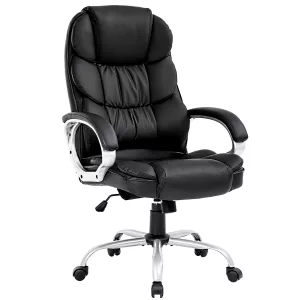
The chair you use while eating can also affect your back muscles and contribute to pain and tension.
Kidney-related pain
Your kidneys sit on either side of the torso beneath the ribcage. Kidney infections, kidney stones, and chronic kidney disease can all produce back pain, along with other symptoms such as:
- sharp, intense flank pain
- frequent urination
- a burning sensation during urination
- abdominal discomfort
- chills
- fever
Symptoms from kidney stones, in particular, can appear suddenly and may coincide with eating.
Heart attack
Upper back pain can be an early indicator of a heart attack for some individuals. Back discomfort may begin hours or even days before the cardiac event.
Other warning signs of a heart attack may include:
- chest discomfort
- pain or tightness in the neck, jaw, or arm
- nausea
- dizziness or lightheadedness
- sweating
- nausea
- pain radiating to the arms
Women may be more likely than men to experience back and neck pain before and during a heart attack.
Read more about signs of a heart attack in women.
This list does not cover every possible cause of back pain after eating. If you have ongoing pain or discomfort, it’s advisable to consult a healthcare professional.
Frequently asked questions
What does it indicate when your back aches after eating?
Back pain following a meal can have several origins, from acid reflux and GERD to posture issues and kidney stones. Only a medical professional can make an accurate diagnosis. If the pain is severe or persistent, seek urgent medical attention.
Can gastrointestinal issues lead to back pain?
Yes. Digestive disorders can produce referred pain felt in the back. This happens when the problem’s source is in one part of the body but the sensation appears elsewhere. Conditions like GERD, peptic ulcers, kidney stones, and certain cancers can cause referred back pain.
Bottom line
Back pain that occurs after eating is frequently due to referred pain from irritation of the esophagus or stomach. Conditions such as GERD and peptic ulcers may worsen with certain foods and trigger symptoms that include radiating pain to the back.
Other contributors to back pain include kidney issues, poor posture, and osteoporosis, though eating itself may not be the direct trigger for these.
Only a healthcare provider can determine the exact cause, and they may perform several tests to identify what’s producing your symptoms.





















Leave a Reply
You must be logged in to post a comment.