Back Pain
Browse articles on back pain with tips on prevention, treatment, and managing discomfort. Find practical advice to help ease pain and improve mobility.

What’s Causing the Pain in My Upper Back on the Left Side?
Pain in the upper left shoulder area can come from the spine or the surrounding back muscles. It may be related to poor posture or an underlying medical issue. The sensation can be dull or sharp, and it often gets worse with activity and improves with rest. Mild upper back discomfort on the left side frequently resolves without intervention. However, if the pain is due to a chronic condition, it…
Back Pain When Breathing: 11 Possible Causes
Back discomfort that worsens with inhalation can arise from injury to the bones or muscles of the back. It can also stem from health issues affecting internal organs such as the lungs or heart. There are numerous reasons you might experience back pain when taking a breath. Below, we examine 11 potential causes of back pain during breathing, outlining typical signs and available treatment approaches for each. (img by Apple…
Everything You Need to Know About Back Dimple Piercings
Back dimple piercings are single-point dermal piercings placed in the small indentations on the lower back, just above the buttocks. Unlike traditional piercings that have both an entry and exit hole, dermals use a single anchoring point beneath the skin. Those small indentations are often called the dimples of Venus, which is why some people erroneously refer to these as Venus piercings. That mix-up is understandable, but it’s important to…
Can Stress Cause Back Pain?
Stress may trigger inflammation, muscle tightness, and spasms in your back. (img by The American Institute of Stress) Back pain ranks among the most prevalent health complaints, impacting millions worldwide. Beyond obvious physical causes (like a strained muscle or a slipped disc), stress can also initiate or intensify back pain. The connection between stress and back pain is intricate and bidirectional. How are stress and back pain connected? Evidence indicates…

L3
The lumbar spine consists of five (occasionally six) vertebrae that support much of the upper body and allow considerable mobility. The third lumbar vertebra (L3) sits centrally within the lower back, making it particularly prone to degeneration and stress. Because of its position and function, L3 is frequently implicated in persistent lower back discomfort. (img by Spine-health) Vertebrae and the intervertebral discs together shield the spinal cord and the nerves…
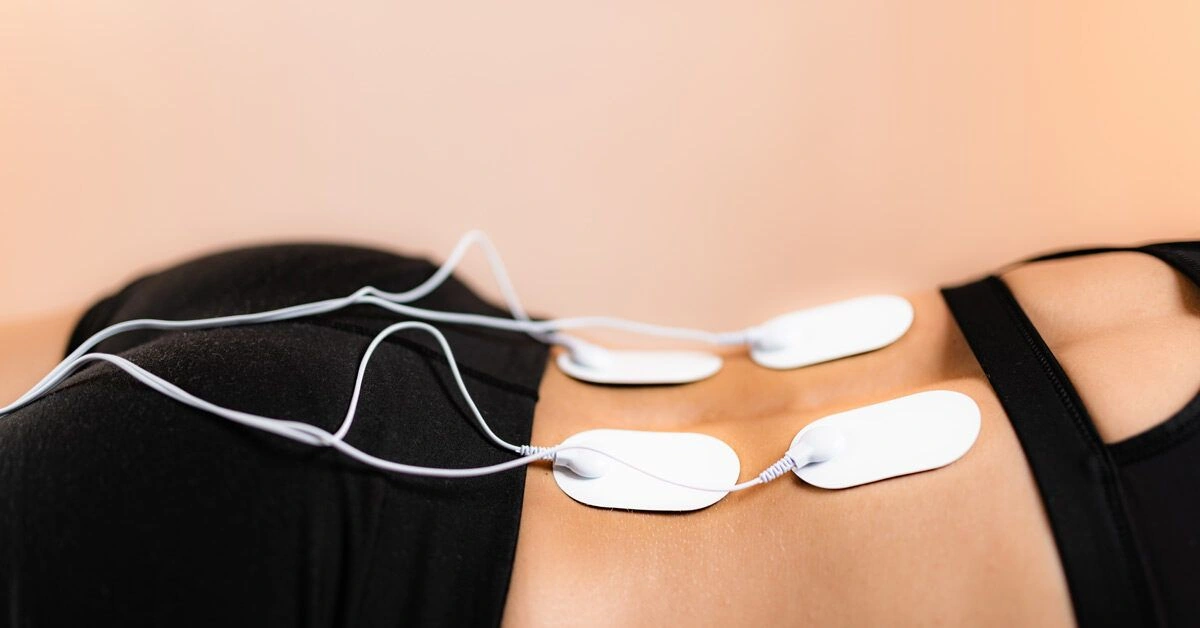
How to Use a TENS Machine for Lower Back Pain
Although experts differ on how well it works for lower back pain, transcutaneous electrical nerve stimulation (TENS) is generally regarded as safe and carries a low chance of complications. Below is guidance on where to position TENS electrodes to address this kind of pain. A TENS device is a compact unit that sends electrical pulses through adhesive pads applied to a specific part of your body to help ease pain.…
Everything You Want to Know About Laser Back Surgery
Laser back surgery is a form of spinal operation that differs from other approaches, such as traditional open back surgery and minimally invasive spine surgery (MISS). Read on to understand more about laser back surgery, its possible advantages and disadvantages, and alternative treatment choices. How does laser back surgery differ? There are several surgical approaches to the spine, including the conventional open technique, MISS, and laser-guided procedures. Below we outline…
Finding the Right Doctor for Your Lower Back Pain
If you’re trying to figure out which clinician to visit for lower back pain, you’re in good company. It can be confusing to know where to turn. Providers who may help include orthopedists, chiropractors, and physical therapists, among others. A variety of physicians and allied health professionals can manage lower back pain. You might want to see a doctor if your pain becomes severe or continues beyond 12 weeks. When…
What Are Back Mice and How Are They Treated?
Back mice is an informal phrase used to describe painful nodules located on or near the lower back and hip regions. A 2016 article in Pain Physician characterizes back mice as “firm, rubbery, mobile nodules that are located in characteristic regions of the sacroiliac, posterior superior iliac, and the lumbar paraspinal regions.” (img by ChiroUp) The label “back mice” was first introduced by Peter Curtis in 1993 to describe episacral…

Does Medicare Cover Back Surgery?
Key Takeaways Original Medicare (Parts A and B) generally pays for back surgery when a physician determines it is medically necessary. Part A handles inpatient hospital services, while Part B covers physician services during a hospitalization and outpatient care after discharge. Medicare includes many common back operations, such as discectomy, laminectomy, and spinal fusion, but patients should verify with their provider that the specific procedure is eligible for coverage. Out-of-pocket…