
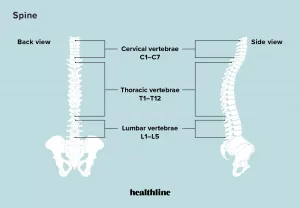
The lumbar spine consists of five (occasionally six) vertebrae that support much of the upper body and allow considerable mobility. The third lumbar vertebra (L3) sits centrally within the lower back, making it particularly prone to degeneration and stress. Because of its position and function, L3 is frequently implicated in persistent lower back discomfort.
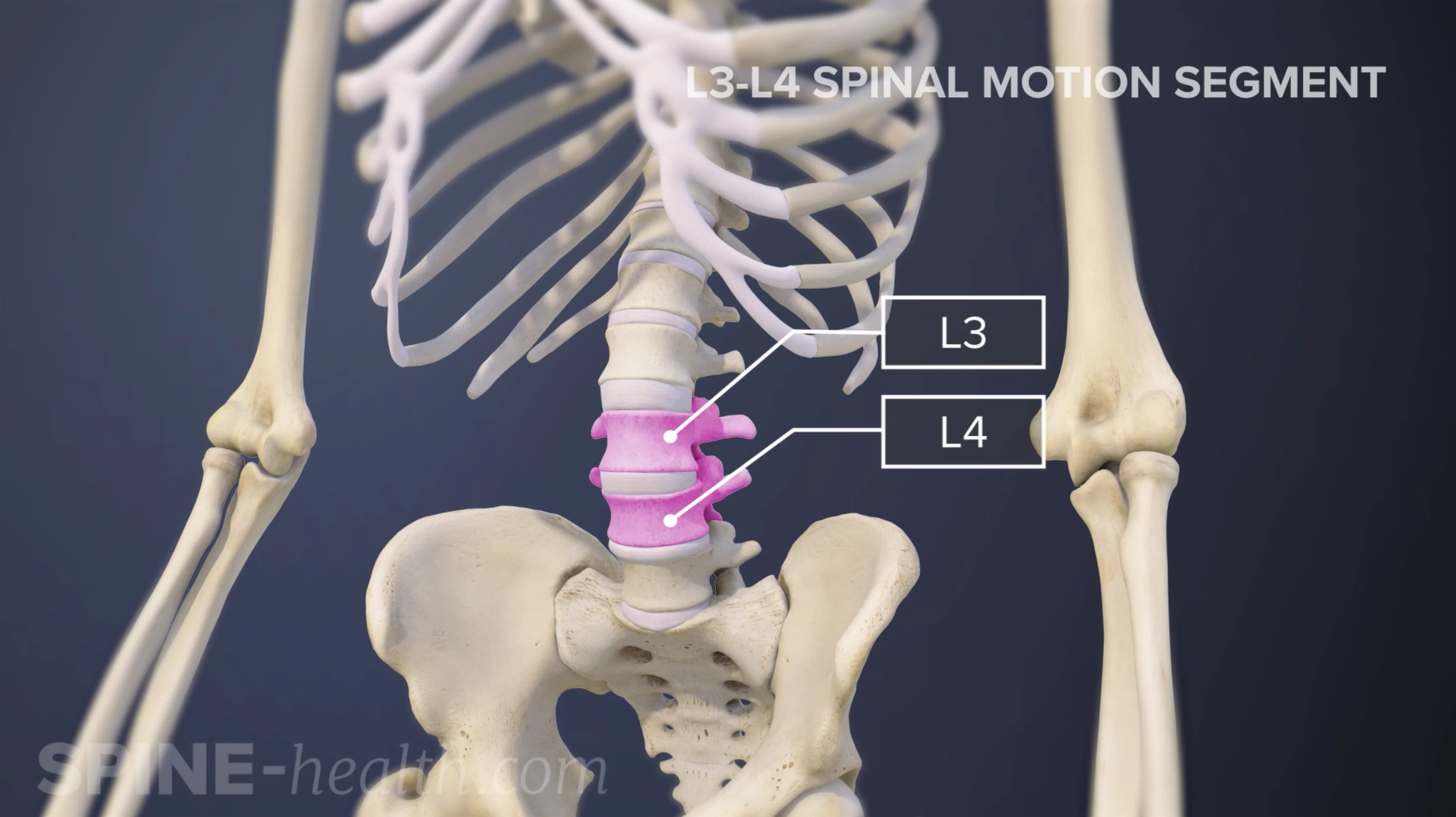
Vertebrae and the intervertebral discs together shield the spinal cord and the nerves that pass through the spinal column. Around the level of L1 the actual spinal cord terminates and fans out into a bundle of nerves known as the cauda equina, which continues to supply the lower trunk and limbs. Everyday factors such as aging and poor posture can worsen typical L3 issues like ligament sprains or muscle strains. Less frequent but significant conditions include osteoarthritis and disc herniation. While many complaints respond well to drugs or physical therapy, surgical intervention or minimally invasive endoscopic procedures may be considered for long-standing back pain.






















Leave a Reply
You must be logged in to post a comment.