

Chest or back pain can arise for many reasons, and occasionally both areas hurt at the same time.
Numerous conditions can produce this combined discomfort, and some are fairly common.
That said, chest pain with back pain can sometimes signal a serious problem like a heart attack. If you suspect a heart attack or have new, unexplained chest pain, get emergency care right away.
Read on to learn more about possible causes of chest and back pain, available treatments, and when to consult a healthcare professional.

Causes
Combined chest and back pain can result from issues involving the heart, lungs, or other parts of the body.
1. Heart attack
A heart attack occurs when blood flow to part of the heart muscle is blocked, often due to a clot or buildup of plaque in the coronary arteries.
When heart tissue is deprived of blood, it can cause chest pain. That pain may radiate to other areas such as the back, shoulders, or neck.
A heart attack is a medical emergency — seek immediate help if you think you’re having one.
2. Angina
Angina is chest discomfort that happens when the heart muscle isn’t receiving sufficient blood, typically from narrowed coronary arteries due to plaque.
It frequently appears with physical exertion but can also occur at rest.
Like heart attack pain, angina may spread to the back, neck, and jaw, and it can indicate an elevated risk of heart attack.
3. Pericarditis
The pericardium is a fluid-filled sac surrounding the heart that provides protection. Inflammation of this sac is known as pericarditis.
Pericarditis can be triggered by infections, autoimmune diseases, or may follow a heart attack or cardiac surgery.
Pain stems from the heart moving against the inflamed pericardium and can radiate to the back, left shoulder, or neck.
4. Aortic aneurysm
The aorta is the body’s largest artery. An aortic aneurysm develops when a portion of the aortic wall weakens and bulges.
If an aneurysm ruptures, it can lead to life-threatening bleeding.
Pain from an aortic aneurysm varies by location and may be felt in the chest, back, shoulders, or abdomen.
5. Pulmonary embolism
A pulmonary embolism occurs when an artery in the lung becomes blocked, usually by a clot that traveled from elsewhere in the body.
Chest pain is a typical symptom and may also radiate to the shoulders, neck, and back.
6. Pleurisy
The pleura are two thin layers: one covering the lungs and the other lining the chest cavity. When these layers become inflamed, the condition is called pleurisy.
Causes include:
- infections
- autoimmune disorders
- cancers
Pain results from the inflamed layers rubbing together and can be felt in the chest, back, and shoulders.
7. Heartburn
Heartburn is a burning sensation behind the breastbone caused by stomach acid refluxing into the esophagus.
A lower esophageal sphincter normally prevents reflux, but if it weakens or malfunctions, acid can travel upward.
Frequent, disruptive heartburn is termed gastroesophageal reflux disease (GERD).
While heartburn typically affects the chest, it can sometimes be perceived in the back as well.
8. Peptic ulcer
Peptic ulcers are breaks in the lining of the stomach, small intestine, or esophagus.
Most ulcers are linked to Helicobacter pylori infection or to regular use of aspirin or other NSAIDs.
Gastric ulcers can cause chest-like discomfort and abdominal pain, and sometimes the pain extends to the back.
9. Gallstones
The gallbladder stores bile for digestion, and sometimes bile solidifies into stones that cause pain.
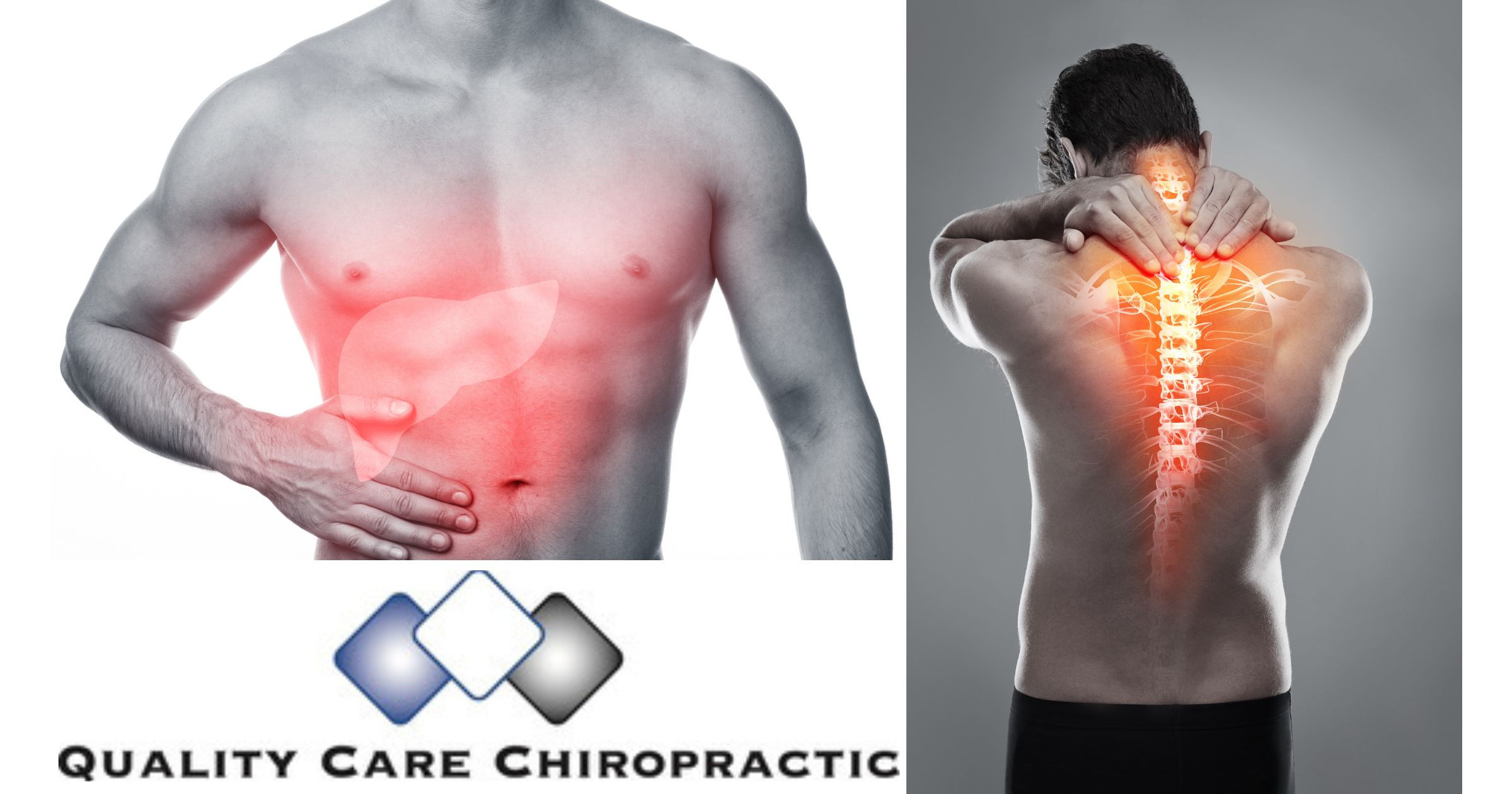
Gallstone pain often starts on the right side of the torso and may radiate to the back and shoulders.
10. Pancreatitis
The pancreas produces digestive enzymes and hormones that regulate blood sugar. When it becomes inflamed, the condition is called pancreatitis.
Pancreatitis arises when digestive enzymes are activated inside the pancreas, leading to irritation and inflammation from various causes including infection, injury, or malignancy.
Pain usually originates in the abdomen but can radiate into the chest and back.
11. Muscle injury or overuse
Chest and back discomfort may result from muscle strains or overuse. Injuries can happen from accidents or falls.
Repetitive movements in daily tasks, work, or sports can also produce muscle pain — for example, rowing can strain muscles in the chest and back.
Muscle-related pain typically worsens with movement of the affected area.
12. Herniated disc
Spinal discs cushion the vertebrae; each has a tough outer layer and a gel-like center. If the outer layer weakens, the inner material can bulge out, creating a herniated disc.
A herniated disc may press on nearby nerves, causing pain.
A pinched nerve in the neck or upper back can lead to back pain that radiates to the chest, sometimes resembling heart-related pain.
13. Shingles
Shingles results from reactivation of the varicella-zoster virus (which causes chickenpox) and produces a blistering rash that generally affects one side of the body.
Shingles often appears along a dermatome and can span the torso from back to chest. Pain intensity ranges from mild to severe.
14. Cancer
Some malignancies can cause simultaneous chest and back pain, such as lung and breast cancers.
Chest-area pain is a common symptom of these cancers, and back pain may occur as well.
About 25 percent of people with lung cancer report back pain at some point, often from a tumor pressing on the spine or adjacent nerves.
When breast cancer spreads (metastasizes), it can also lead to back pain.
FAQs
As shown above, many different problems can produce chest and back pain. How can you tell them apart?
Sometimes the location, timing, or triggers of the pain offer helpful clues.
Why is the pain on the left side?
Because the heart sits more toward the left chest, left-sided chest pain may be due to:
- heart attack
- angina
- pericarditis
- aortic aneurysm
Why is the pain on the right side?
The gallbladder is located on the right side. Pain there that radiates to the right shoulder or between the shoulder blades may indicate gallstones.
Why do I feel pain after eating?
Chest or back pain that occurs soon after meals can be caused by conditions like heartburn or pancreatitis.
Peptic ulcer pain sometimes appears on an empty stomach and may be eased by eating in certain cases.
Why do I feel pain when I cough?
Coughing can worsen pain from several conditions, including:
- pericarditis
- pulmonary embolism
- pleurisy
- lung cancer
Why does it hurt when swallowing?
Some illnesses cause pain with swallowing. Examples include pericarditis and an aortic aneurysm if the enlarged aorta presses on the esophagus.
Why do I feel pain while lying down?
Pain that worsens when you lie flat can be due to conditions such as pericarditis or heartburn.
Why does it hurt when I breathe?
Disorders affecting the heart or lungs often trigger pain with deep breaths. These include:
- pericarditis
- pulmonary embolism
- pleurisy
- lung cancer
Treatments
Treatment depends on the underlying cause of your chest and back pain. Below are some common approaches.
Medications
Medications may be used for many conditions. Examples include:
- over-the-counter pain relievers and anti-inflammatories like NSAIDs
- acute heart attack treatments such as aspirin, nitroglycerin, and thrombolytics
- drugs to control blood pressure or prevent angina and clots — ACE inhibitors, beta-blockers, and anticoagulants
- anticoagulants and thrombolytics for pulmonary embolism
- antibiotics or antifungals for infectious causes like pericarditis or pleurisy
- antacids, H2 blockers, and proton pump inhibitors for heartburn
- acid-suppressing drugs with antibiotics to treat peptic ulcers
- medications to dissolve gallstones
- antivirals for shingles outbreaks
- chemotherapy for certain cancers
Nonsurgical procedures
Minimally invasive procedures can also treat some causes of chest and back pain, such as:
- percutaneous coronary intervention (PCI) for heart attack or refractory angina
- procedures to drain fluid buildup in inflamed areas like the pericardium or pleural space
Surgery
In some cases, surgical intervention is necessary, for example:
- coronary artery bypass grafting for heart attack or uncontrolled angina
- repair of aortic aneurysms via open or endovascular techniques
- cholecystectomy for recurrent gallstones
- surgical treatment for a herniated disc, potentially including disc removal
- resection of cancerous tissue
Other therapies
Physical therapy may be helpful during recovery from muscle injuries or a herniated disc.
Cancer treatment may also include radiation, targeted therapies, or immunotherapy in addition to surgery and chemotherapy.
Lifestyle changes
Modifications in daily habits can help manage or prevent some causes of chest and back pain. Potential changes include:
- following a heart-healthy diet
- engaging in regular physical activity
- keeping a healthy weight
- reducing stress
- avoiding tobacco products
- limiting alcohol intake
- avoiding foods that worsen reflux, such as spicy, acidic, or fatty foods
When to see a doctor
Seek immediate medical care if you have signs of a heart attack.
Warning signs include:
- chest pain or pressure
- pain spreading to the arms, shoulders, neck, or jaw
- shortness of breath
- nausea
- extreme fatigue
- dizziness or lightheadedness
- breaking into a cold sweat
Remember that heart attacks can sometimes present with mild or no symptoms; when unsure, get evaluated.
Make an appointment with your healthcare provider if your chest and back pain:
- doesn’t improve or worsens despite OTC remedies
- is persistent or keeps coming back
- interferes with daily activities
The bottom line
Chest and back pain occurring together can stem from many causes involving the heart, lungs, or other body systems.
Some causes are not serious, but chest pain should always be treated as potentially serious. It can indicate life-threatening conditions like a heart attack.
If you have sudden chest pain or believe you might be having a heart attack, seek emergency medical attention immediately.





















Leave a Reply
You must be logged in to post a comment.