Elderberry: Benefits and Dangers


Elderberry ranks among the world’s most widely used medicinal plants. It’s commonly taken as a supplement to relieve cold and flu symptoms, though the raw berries, bark, and leaves are toxic if consumed.
Historically, Indigenous peoples used elderberry for fever and rheumatism, while ancient Egyptians applied it to enhance complexion and treat burns.
To this day, it’s gathered and employed in traditional remedies across many regions of Europe.
This article explores:
- what elderberry is
- the research backing its health claims
- the hazards linked to consuming it
What is elderberry?
Elderberry refers to several species in the Sambucus genus, a flowering plant group within the Adoxaceae family.
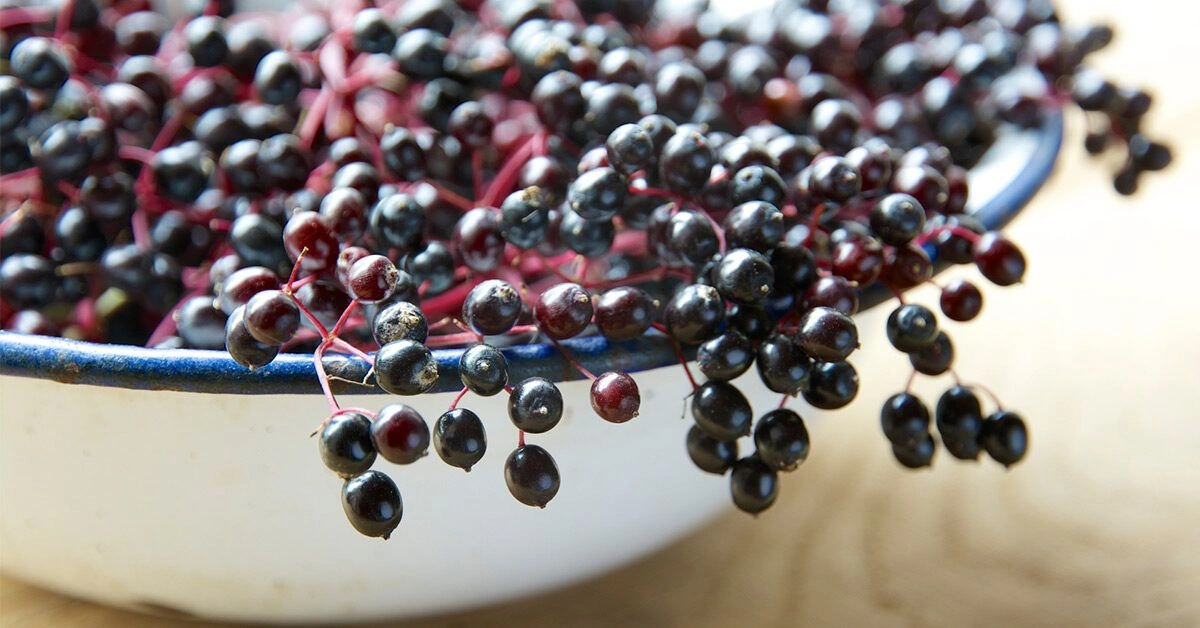
The most familiar species is Sambucus nigra, also called European elder or black elder. Native to Europe, it’s now cultivated in many other parts of the globe (1 ,2).
S. nigra can reach about 30 feet (9 meters) in height and produces clusters of small white or cream blooms called elderflowers. The fruit appears in small black or blue-black clusters (1 ).
The berries are tangy and generally need to be cooked before eating, while the flowers have a subtle muscat scent and can be consumed raw or prepared in recipes (1 ).
Other species include American elder, dwarf elder, blue elderberry, danewort, red-fruited elder, and antelope brush (1 ).
Different parts of the elder plant have been used over time for both therapeutic and culinary purposes (2).
Traditionally, the flowers and leaves were used to ease pain, swelling, and inflammation, to promote urination, and to induce sweating. The bark served as a diuretic, laxative, and emetic (1 ).
In folk medicine, dried berries or juices have been used against influenza, infections, sciatica, headaches, dental and chest pain, nerve pain, and as laxatives or diuretics (2).
The berries are also cooked into juice, jams, chutneys, pies, and elderberry wine, while flowers are frequently boiled with sugar to make a sweet syrup or steeped into tea (1 ).

blockquote>Summary: Elderberry includes several Sambucus species, notable for clusters of white blossoms and dark berries. Sambucus nigra, or European/black elderberry, is the most common.
Health benefits of elderberry
Elderberries are credited with various benefits. Beyond being nutritious, they may alleviate cold and flu symptoms, support cardiovascular health, and combat inflammation and infections, among other potential effects.
Rich in nutrients
Elderberries are low in calories yet abundant in antioxidants.
One cup (145 grams) of fresh berries supplies about 106 calories, 26.7 grams of carbohydrates, and under 1 gram each of fat and protein (3 ).
They also offer several nutritional advantages. Elderberries are:
- High in vitamin C. A cup provides roughly 52 mg of vitamin C, about 57% of the daily value (3 , 4).
- High in dietary fiber. Fresh berries contain around 10 grams of fiber per cup, approximately 36% of the daily value (5 ).
- A good source of phenolic acids. These powerful antioxidants can help reduce oxidative damage in the body (4, 6).
- A good source of flavonols. Elderberry contains flavonols like quercetin, kaempferol, and isorhamnetin. The flowers may have up to ten times more flavonols than the fruit (4).
- Rich in anthocyanins. These pigments give the fruit its deep purple-black hue and act as potent antioxidants with anti-inflammatory properties (4, 7 ).
The precise nutrient profile of elderberries varies by:
- the species
- how ripe the berries are
- growing conditions and climate
Consequently, nutritional content can differ between servings (4, 8).
Summary: Elderberries are a low-calorie food rich in vitamin C, fiber, and antioxidants such as phenolic acids, flavonols, and anthocyanins. The flowers are especially high in flavonols.
May ease cold and flu symptoms
Extracts of black elderberry and flower infusions have been shown to reduce the intensity and duration of influenza symptoms (9 ).
Commercial elderberry products for colds are available as syrups, capsules, lozenges, and gummies. For trustworthy options, see links such as best elderberry gummies and information on elderberry for flu.
A 2004 trial of 60 people with influenza reported that those taking 15 mL of elderberry syrup four times daily improved within 2–4 days, whereas the control group improved in 7–8 days (10 ).
Another study of 312 airline passengers who took 300 mg elderberry extract capsules three times daily found that those who became ill experienced shorter illnesses and milder symptoms (11 ).
Larger, well-designed trials are necessary to confirm these findings and to determine whether elderberry can prevent influenza (9 ).
Keep in mind most studies focus on commercial preparations; little is known about the safety or effectiveness of homemade remedies (9 ).
Summary: Elderberry extract has been shown to shorten and lessen flu-related symptoms. These findings are encouraging, but more extensive human studies are required.
High in antioxidants
Reactive molecules produced during normal metabolism can accumulate and cause oxidative stress, contributing to diseases such as type 2 diabetes and cancer (12 , 13 , 14 ).
Antioxidants—present in foods as vitamins, phenolic acids, and flavonoids—can neutralize these reactive molecules. Diets rich in antioxidants have been associated with lower chronic disease risk (8, 14 , 15 ).
The flowers, fruits, and leaves of elderberry are notable antioxidant sources. One anthocyanin in the fruit reportedly has about 3.5 times the antioxidant activity of vitamin E (4, 15 , 16, 17).
Comparative studies have ranked elderberry among the most potent antioxidants relative to other berries and certain wines (18 , 19).
Some research noted improved antioxidant markers in people one hour after drinking 400 mL of elderberry juice, and animal studies suggest elderberry extract can reduce inflammation and oxidative damage (20, 21).
Still, human and animal data remain limited, and dietary intake generally produces only modest changes in antioxidant status (19).
Processing methods like extraction, heat, or juicing can diminish antioxidant activity, so syrups, juices, teas, and jams may offer fewer benefits than some lab results suggest (4, 16).
Summary: Elderberry parts are rich in antioxidants, but their protective impact in humans seems limited. Processing can further reduce antioxidant potency.
May support heart health
Elderberry might benefit certain markers tied to cardiovascular and vascular health.
Research suggests elderberry juice can lower blood lipids and reduce cholesterol. Diets rich in flavonoids like anthocyanins are also linked to lower heart disease risk (17, 22 ).
However, one trial involving 34 participants who took 400 mg elderberry extract (equivalent to 4 mL juice) three times daily for two weeks found no significant cholesterol reduction (23 ).
Animal studies show mixed results: mice fed black elderberry had lower liver and aorta cholesterol but not blood cholesterol (24 ), and rats given elderberry polyphenols exhibited reduced blood pressure (25).
Elderberry may also lower blood uric acid, elevated levels of which are associated with hypertension and poorer heart outcomes (4, 26 ).
Additionally, elderberry can enhance insulin secretion and improve glucose metabolism—important because type 2 diabetes is a major cardiovascular risk factor. Some studies show elderflower extracts inhibit alpha-glucosidase and animal research reports improved glycemic control (4, 16 , 29).
Despite these encouraging findings, there’s no clear evidence yet that elderberry directly reduces heart attacks or major cardiovascular events; more human research is required.
Summary: Elderberry shows promise for heart health by potentially lowering cholesterol, uric acid, and blood sugar. Still, conclusive human data are lacking.
Other possible benefits
Additional purported benefits of elderberry exist, but many rely on limited evidence:
- May help fight cancer. Both European and American elder have demonstrated some anti-cancer activity in cell-based studies (7, 9 , 29 ).
- May inhibit harmful bacteria. Elderberry has been shown to suppress bacteria such as Helicobacter pylori and might help with sinusitis and bronchitis symptoms (9 ).
- Could support immunity. In rats, elderberry polyphenols increased white blood cell counts, suggesting immune support (30).
- May offer UV protection. A topical product containing elderberry extract showed an SPF of 9.88 in one study (31 ).
- May be diuretic. Elderflower increased urine output and salt excretion in rat studies (32 ).
- Possible antidepressant effects. One animal study found mice given a high dose of elderberry extract showed improved behavior and mood-related markers (33 ).
While intriguing, these findings need confirmation in human trials.
Also, there’s no standardized way to measure bioactive components like anthocyanins in commercial products. One investigation found huge discrepancies: a supplement claiming 762 mg/L of anthocyanins actually contained only 4 mg/L depending on the assay used, complicating assessment of product effects (17).
Summary: Elderberry is linked to other potential benefits—anticancer, antibacterial, immune support, UV protection, and diuretic effects—but evidence remains limited and more research is needed.
Health risks and side effects
Although elderberry shows promise, it carries certain risks.
The bark, unripe fruit, and seeds contain lectins that can cause gastrointestinal upset if consumed in large amounts (2).
Elderberry also contains cyanogenic glycosides, which can release cyanide under certain conditions—similar compounds are found in apricot kernels and some almonds (1 , 3 ).
Reported amounts include about 3 mg cyanide per 100 g of fresh berries and 3–17 mg per 100 g of fresh leaves—only a small fraction of a lethal dose for an average adult (2, 35 ).
Commercial products and cooked berries do not contain cyanide, and there are no recorded deaths from those sources. Eating raw berries, leaves, bark, or roots can cause nausea, vomiting, and diarrhea (2).
One incident involved eight people becoming ill after consuming juice made from freshly picked berries that included leaves and stems of the S. mexicana variety; symptoms included nausea, vomiting, weakness, dizziness, numbness, and stupor (36 ).
The toxic components can be neutralized by cooking, but branches, bark, and leaves should never be used for cooking or juicing (2).
If harvesting elderflower or berries yourself, be certain of the species—American or European elder are generally used—and remove any bark or leaves before preparation, as some elder species are more poisonous.
Elderberry is not recommended for children and adolescents under 18, nor for pregnant or breastfeeding women. Although adverse events haven’t been widely reported, data are insufficient to ensure safety in these groups (2).
Summary: Raw elderberry parts—berries, leaves, bark, roots—contain lectins and cyanogenic compounds that can cause gastrointestinal distress. Cooking the fruit removes cyanide risk.
The bottom line
Elderberry demonstrates many promising health effects, but most research has been preclinical or limited human trials.
Consequently, elderberry cannot yet be definitively recommended for any single health condition.
Reasonable evidence supports its use to help shorten and lessen flu symptoms.
It may also benefit heart health, improve antioxidant markers, and possess potential anticancer, antidiabetic, and anti-inflammatory properties.
Beyond possible therapeutic uses, elderberry is a tasty component of a balanced diet and a solid source of vitamin C, fiber, and antioxidants.
Frequently Asked Questions
Elderberry is used as a traditional remedy and supplement to help relieve cold and flu symptoms, supply antioxidants, and add nutrients like vitamin C and fiber.
Raw berries, leaves, bark, and roots contain lectins and cyanogenic compounds that can cause nausea and vomiting; cooking or using commercial preparations removes most toxins.
Some trials indicate elderberry extract can shorten and reduce flu symptoms, but larger, well-controlled studies are needed to confirm prevention or treatment effects.
Children under 18, pregnant and breastfeeding people, and anyone unsure of product purity should avoid elderberry or consult a healthcare provider due to limited safety data.
Use cooked berries or standardized commercial extracts and avoid using bark, leaves, or stems. Follow product instructions and avoid homemade raw preparations unless properly processed.



Related Posts
What Is Acerola Cherry?
Sep 9, 2026 • 29 min read
White Mushrooms: Nutrition, Benefits, and Uses
Aug 29, 2026 • 27 min read
Arbonne Diet Review: Overview, Effectiveness, and More
Aug 9, 2026 • 5 min read
What Is Free-Range Chicken?
Sep 3, 2026 • 3 min read
Dieta cetogénica: Una guía detallada para principiantes sobre la dieta cetogénica
Aug 1, 2026 • 15 min read