What Is Collinsonia Root, and Is It Effective?


Collinsonia root, sometimes called stone root or knob root, comes from a perennial herb native to eastern North America.
It’s promoted as a herbal remedy for numerous conditions, including hemorrhoids, digestive complaints, and upper respiratory issues (1 ).
Despite its role in traditional Native American healing, contemporary scientific data are limited.
This article summarizes the available research on collinsonia root and examines its claimed health effects.
What is collinsonia root?
Collinsonia root is harvested from the Collinsonia canadensis plant, a lemon-scented perennial in the mint family (1 , 2).
While traditional uses report utilizing the whole plant, the root is the part most frequently used and believed to contain the primary therapeutic constituents (1 ).
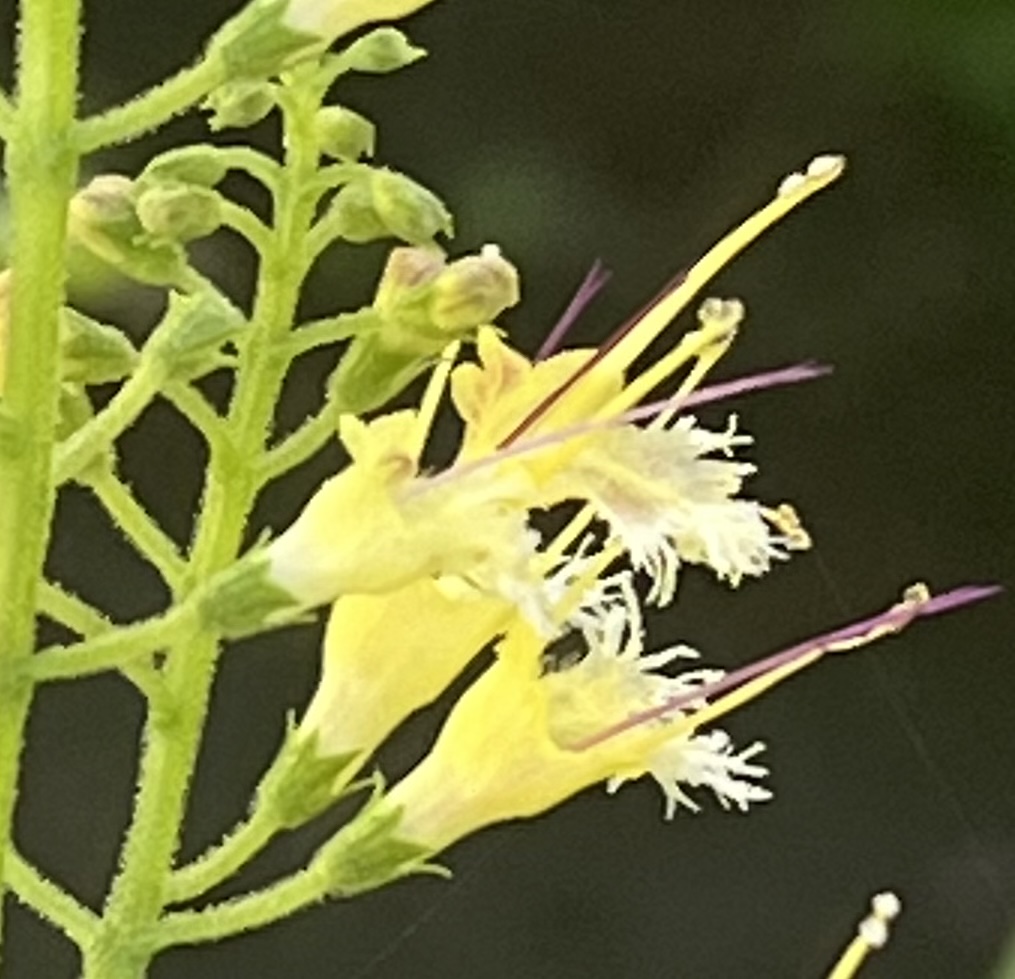
The root is dark brown with a knobbly appearance, a tough outer layer, and a strong smell that diminishes as it dries (1 , 2).
Collinsonia root is frequently credited with sedative and antispasmodic properties. It is commonly recommended as a natural approach for pain and for certain digestive, urinary, or respiratory complaints (1 ).
Although available as whole fresh or dried root, it’s often purchased in ground form, capsules, teas, tinctures, or liquid extracts.
Summary: Collinsonia root is a dark, knotted root from Collinsonia canadensis. Sold in several formats, it’s primarily used as a traditional remedy for pain and for digestive, urinary, or respiratory problems.
Potential benefits of collinsonia root
Collinsonia root is attributed a range of health benefits. It reportedly contains saponins and flavonoids, compounds that may be useful for treating hemorrhoids (3, 4 ).
Hemorrhoids are swollen veins in the lower rectum. Historical medical reports suggest that collinsonia root suppositories might enhance blood flow between the gut and liver, potentially easing hemorrhoidal symptoms (1 , 2).
In addition, some recent work indicates that anti-inflammatory constituents in collinsonia root could have potential in Alzheimer’s disease research (5).
Specifically, the root contains polyphenols, thymol, and carvacrol, which may help prevent the degradation of an enzyme implicated in the development and progression of Alzheimer’s disease (5).
Older clinical observations also report that this root may ease anal inflammation, spasms, and prolapse, and relieve associated abdominal or pelvic discomfort (2).
Collinsonia root has also been reported to increase urine output, reduce spasms, and relax ureters and the urethra, which is thought to aid passing small kidney stones and reduce the pain and irritation they cause (1 ).
Various reports further claim relief for menstrual and lower back pain, spinal issues, acid reflux, headaches, colic, cramps, indigestion, cough, and asthma (1 , 2).
That said, the majority of case reports and early studies are more than a century old and do not meet modern scientific standards. Most claimed benefits are supported by very limited evidence.
Consequently, additional well-designed research is required before definitive conclusions can be drawn.
Summary: Collinsonia root is credited with multiple effects, but current scientific support is minimal. More clinical studies are needed.
Effective dosage
Because contemporary studies on collinsonia root are scarce, reliable dosing information is limited.
Optimal dosages likely vary with age, the condition being treated, and overall health status.
Historical accounts reference common dosages such as 1 cup (240 mL) of infusion, 10–60 grains of powdered root, 1–3.5 mL of root extract, or up to 7 mL of tincture. However, modern studies are necessary to determine which preparations or dosages — if any — are truly effective (1 ).
Summary: With limited research, the most effective form or dose of collinsonia root remains unknown.
Possible side effects
Based on older reports, collinsonia root appears to be safe when used in moderation. Small amounts are said to produce warmth in the stomach or bowels, whereas larger doses may induce heavy sweating, nausea, or persistent vomiting (1 ).
Specific threshold doses are not well described in these historical accounts.
There is very limited information on the safety of collinsonia root for sensitive groups such as infants, children, pregnant people, or nursing mothers. For that reason, these populations are generally advised to avoid it.
Additionally, because it may have diuretic properties, it could cause dehydration or interact with certain medicines. If you take prescription or over-the-counter drugs, consult your healthcare provider before using this herb (1 ).
Summary: Collinsonia root is often regarded as safe in moderate amounts, but infants, children, pregnant or breastfeeding individuals, and those on certain medications should avoid it unless advised otherwise by a clinician.
The bottom line
Collinsonia root is a traditional herbal remedy touted for conditions such as hemorrhoids and kidney stone-related discomfort.
Although used historically in Native American healing practices, there is very little strong scientific evidence supporting its many claimed uses.
Until higher-quality research is available, vulnerable groups like infants, children, and those who are pregnant or breastfeeding should refrain from using it. If you’re considering trying collinsonia root, discuss it with your healthcare provider first.
Frequently Asked Questions
Collinsonia root is traditionally used for hemorrhoids, digestive complaints, urinary issues, respiratory problems, and pain relief in folk medicine.
Scientific support is limited; most evidence is historical or preliminary, so clear clinical proof of effectiveness is lacking.
Forms include dried root, powders, teas, tinctures, and capsules. Reliable modern dosing guidelines are unavailable, so consult a healthcare provider before use.
Small amounts are often tolerated, but larger doses may cause sweating, nausea, or vomiting. Pregnant or breastfeeding people, infants, and children are generally advised to avoid it.
Yes — because it may have diuretic or other physiological effects, it could interact with medications. Check with your healthcare provider before combining it with drugs.




Related Posts
8 Surprising Health Benefits of Cloves
Jul 30, 2026 • 19 min read
How Many Calories Are in an Egg?
Aug 26, 2026 • 11 min read
Arbonne Diet Review: Overview, Effectiveness, and More
Aug 9, 2026 • 21 min read
How Many Calories Are Burned on an Elliptical in 30 Minutes?
Aug 14, 2026 • 13 min read
2025 Noom Diet Review: Follow Our Reviewer’s 12-Month Weight Loss Journey
Sep 17, 2026 • 35 min read