
Pectin, a form of fiber present in plant cell walls, contributes to the structural integrity of plants (1).
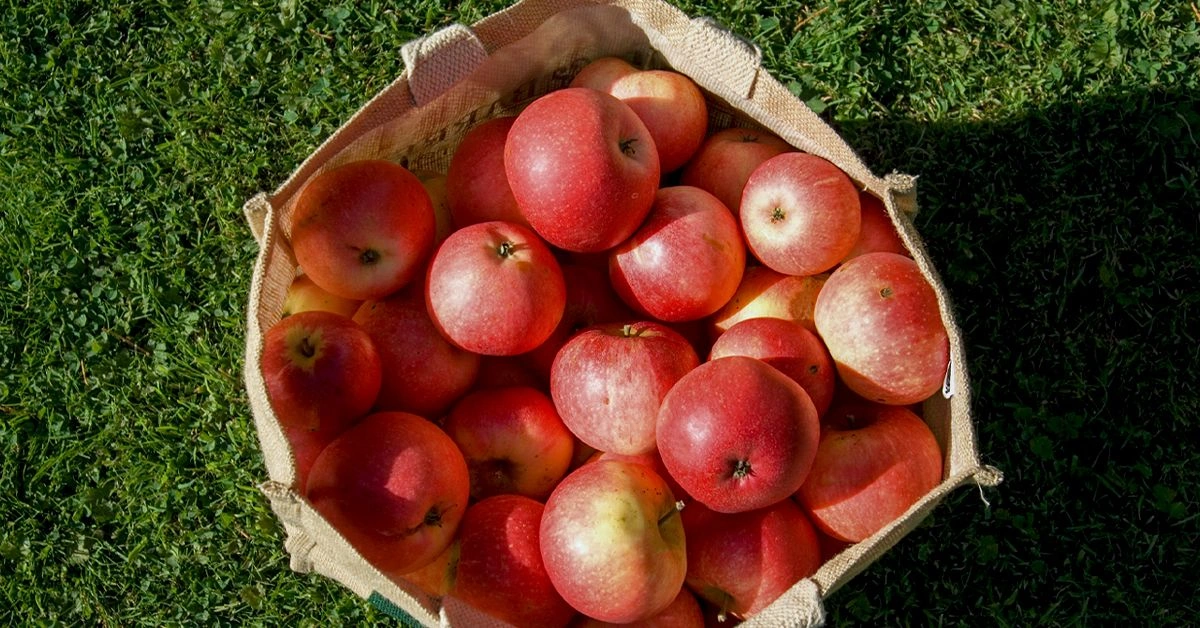
Apple pectin is derived from apples, which rank among the top fiber-containing fruits. Approximately 15–20% of apple pulp consists of pectin.
Pectin is also present in citrus peels and in fruits like quinces, cherries, plums, as well as various vegetables (1, 2).
Apple pectin has been associated with several possible health advantages, such as lowering cholesterol and aiding blood sugar regulation (3, 4).
Below are 10 notable benefits and applications of apple pectin.

1. May support gut health
Your gut microbiome benefits from both probiotics and prebiotics to function optimally (5).
Probiotics are beneficial gut microbes that ferment certain foods, inhibit harmful organisms, and synthesize vitamins. Prebiotics serve as nourishment for these helpful microbes (5, 6, 7).
Apple pectin acts as a prebiotic by stimulating the growth and metabolic activity of beneficial bacteria. It may also suppress harmful microbes such as Clostridium and Bacteroides in the gut (6, 7).
Summary: Apple pectin functions as a prebiotic, feeding advantageous gut bacteria and supporting digestive health.
2. May help with weight management
Apple pectin might assist weight control by slowing gastric emptying.
Decelerated digestion can prolong the sensation of fullness, potentially cutting calorie intake and promoting weight loss (8).
In one 2-day trial, 74 participants consumed 5–20 grams of pectin with orange juice after an overnight fast. Even those given the lowest amount reported increased satiety and ate less (9).
Conversely, a 3-week trial with 11 adults using 27 grams of citrus-peel pectin per day found no change in fullness or weight (10).
Thus, additional research is warranted.
Summary: Pectin may prolong feelings of fullness and aid weight loss, but findings are inconsistent and more studies are required.
3. May help regulate blood sugar
Soluble fibers such as pectin are thought to lower blood glucose, which may benefit people with type 2 diabetes (11).
In a small 4-week trial, 12 individuals with type 2 diabetes took 20 grams of apple pectin daily and showed improved glycemic responses (14).
However, reviews indicate that typical pectin doses do not consistently lower blood sugar (12, 13).
Therefore, more robust trials are needed.
Summary: Apple pectin may assist blood sugar management, but further investigation is necessary.
4. May benefit heart health
Apple pectin could support cardiovascular health by lowering cholesterol and blood pressure.
Pectin binds bile acids in the small intestine, which can help reduce cholesterol levels (15).
A meta-analysis of 67 trials including 2,990 adults found that pectin decreased LDL (bad) cholesterol while leaving HDL (good) cholesterol unchanged. Overall, pectin lowered total cholesterol by about 5–16% (15).
This is significant because high total and LDL cholesterol are key risk factors for cardiovascular disease (16).
Additional human and animal studies observed comparable outcomes (17, 18, 19, 20).
Apple pectin may also influence blood pressure, another cardiovascular risk metric (21).
A review of 43 studies reported that 9 grams of pectin daily for seven weeks reduced both systolic and diastolic blood pressure, with a stronger effect in individuals with hypertension (22).
Still, focused research on apple-derived pectin and blood pressure is needed.
Summary: Apple pectin may lower certain heart disease risk factors, including blood pressure and total and LDL cholesterol.
5. May ease diarrhea and constipation
Constipation and diarrhea are widespread issues; roughly 14% of people globally suffer from chronic constipation (23).
Apple pectin may help relieve both diarrhea and constipation (24).
As a gel-forming fiber, pectin readily absorbs water and has been shown to normalize stool consistency (24, 25).
In two studies, subjects taking 24 grams of pectin each day reported fewer symptoms of both diarrhea and constipation (26, 27).
Summary: Because it forms a gel and soaks up water, apple pectin can help normalize bowel movements and relieve constipation and diarrhea.
6. May boost iron absorption
Some evidence indicates apple pectin might enhance iron uptake.
Iron is a vital mineral responsible for oxygen transport and red blood cell formation (28, 29).
This could be particularly relevant for people with anemia, a condition marked by fatigue and weakness often caused by insufficient iron. The World Health Organization notes that over 30% of women of childbearing age worldwide are anemic (30).
Those who menstruate and individuals following vegetarian or vegan diets are at higher risk for iron deficiency—menstruation causes iron loss, and plant-based iron is less readily absorbed than animal-sourced iron (31, 32).
Still, findings on apple pectin’s effect on iron absorption are mixed.
One rodent study showed enhanced iron uptake with pectin, while another did not find an effect (33, 34).
Consequently, human trials are necessary.
Summary: Apple pectin might improve iron absorption, but evidence is inconsistent and more human-focused research is needed.
7. May help with acid reflux
Pectin could reduce symptoms of acid reflux.
About 20% of adults in the U.S. experience acid reflux, where stomach acid moves up into the esophagus, sometimes causing heartburn or gastroesophageal reflux disease (GERD) if frequent (35, 36).
In a study of 18 children with cerebral palsy receiving tube feeds, those given pectin in their formulas had fewer and less severe reflux episodes (37).
However, due to the small scale of this research, additional studies are required.
Summary: Apple pectin may lessen acid reflux, but more comprehensive research is needed.
8. May support hair and skin
Hair loss is common and often challenging to treat (38).
There are anecdotal reports linking apple pectin to improved hair and skin condition. It is even included in some cosmetic formulations, like shampoos, marketed to promote fuller hair (39).
Nevertheless, scientific evidence directly connecting pectin to improvements in hair or skin health is lacking.
Consuming whole apples is a sensible approach, since their vitamin C contributes to skin health (40).
Summary: While people often claim apple pectin benefits hair and skin, current research doesn’t support these assertions.
9. May have anticancer properties
Diet influences cancer risk and progression, and consuming more fruits and vegetables may lower that risk (41).
In vitro studies suggest pectin can inhibit prostate and colon cancer cell growth (42, 43, 44).
One animal study found that citrus pectin reduced metastatic spread of prostate cancer but did not alter the main tumor (45).
Although these findings are encouraging, more research, especially in humans, is needed.
Summary: Some lab and animal research indicates pectin may exert anticancer effects, but human studies are required to confirm this.
10. Easy to incorporate into your diet
Pectin is widely used in jams and pie fillings because it thickens and stabilizes foods (1, 25).
Apple pectin is also sold as a dietary supplement.
Whole apples are a natural source of pectin, with Granny Smith apples containing particularly high amounts (2, 46).
Enjoy apple slices raw, bake them with cinnamon, add them to smoothies, or stir them into oatmeal to boost pectin intake.
Summary: Adding apple pectin to your diet is straightforward via supplements or by eating whole apples—especially Granny Smiths, which are rich in pectin.
The bottom line
Apple pectin is a soluble fiber with a range of potential health effects.
It may help improve cholesterol, blood pressure, gut health, and bowel regularity, though evidence is sometimes inconsistent and more research is needed.
You can obtain it through supplements, jams and jellies, or by eating whole apples with the skin to maximize pectin intake.





















Leave a Reply
You must be logged in to post a comment.