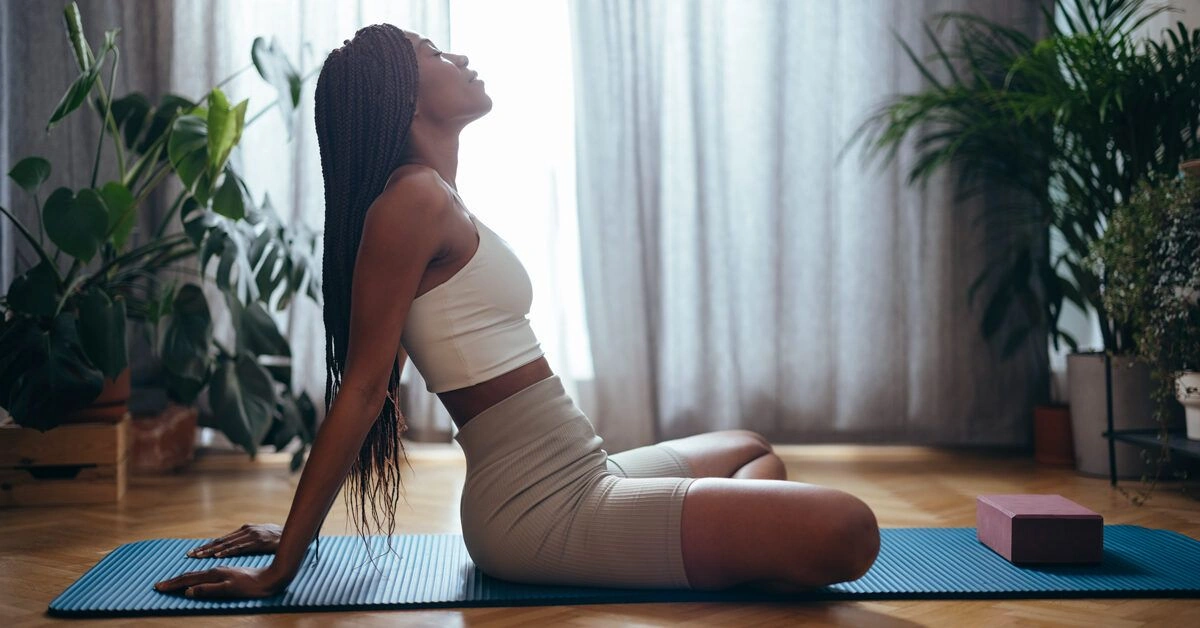
Relieve Lower Back Pain With These 8 Simple Stretches

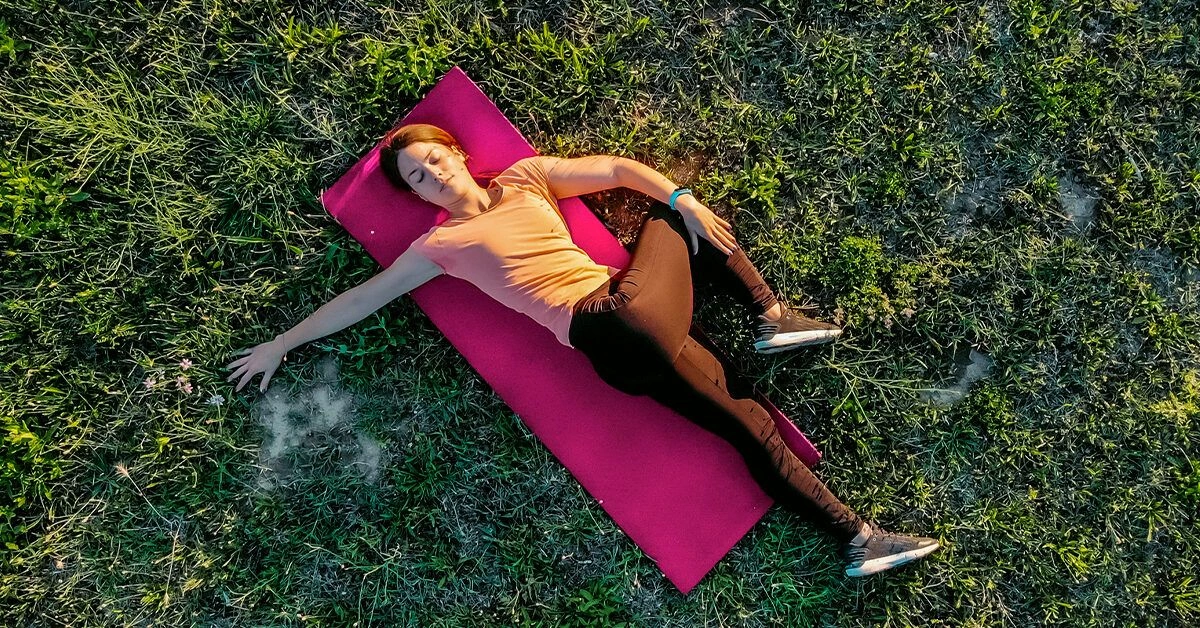
You can ease lower back pain with targeted yoga poses and simple exercises, such as the knee-to-chest stretch and Cat-Cow.
Lower back pain can feel overwhelming and disruptive to everyday life, especially when it interferes with sitting, standing, or sleeping comfortably.
Remaining physically active is often one of the most effective and budget-friendly strategies to calm discomfort or reduce the risk of future flare-ups. In addition to movement, optimizing your sitting posture—such as choosing the Best chair for lower back pain at home with arms—can provide added lumbar support and minimize strain during long hours at a desk or while relaxing.
Below are eight easy stretches designed to help relieve lower back pain and support spinal health.
What is lumbar (lower back) pain?
Lower back pain may develop when there is injury or irritation within the musculoskeletal system of the lumbar spine. This system allows your body to move while offering structure, balance, and stability. It includes:
- muscles
- bones
- tendons
- ligaments
- other connective tissues
Additional muscle groups are essential for maintaining the natural curve of your spine. These include the hamstrings (located at the back of your thighs) and the hip flexors. When these muscles become tight or shortened, they can contribute to lower back pain.
Mild lower back pain often improves within a few days to a few weeks. It’s considered chronic when it persists for 12 weeks or longer.
You may be able to decrease your risk of lower back pain or reduce ongoing symptoms by:
- engaging in regular physical activity and gentle stretching
- avoiding sudden twisting movements or lifting heavy items improperly
- maintaining a moderate weight to reduce spinal stress
- wearing supportive, properly fitted footwear
- quitting smoking, if you smoke
Along with stretching and strengthening exercises, improving ergonomics at home can make a meaningful difference. Many people explore options like the Best chair for lower back pain at home to enhance lumbar alignment and reduce pressure on the spine. Consumer-focused evaluations, such as Best chair for lower back pain at home consumer reports, can also help guide supportive seating choices.
This guide outlines eight stretches for lower back pain that require little to no equipment and can be performed at home.
1. Knee-to-chest stretch

The knee-to-chest stretch may help gently lengthen the lower back, easing built-up tension and discomfort.
To perform the knee-to-chest stretch:
- Lie flat on your back with your knees bent and feet resting on the floor.
- With both hands, grasp your right lower leg and interlace your fingers or clasp your wrists just below the knee.
- Keeping your left foot grounded, slowly draw your right knee toward your chest until you notice a light stretch in your lower back.
- Hold your right knee against your chest for 30–60 seconds, consciously relaxing your legs, hips, and lower back.
- Release your right knee and return to the starting position.
- Repeat steps 2–4 with your left leg.
- Complete 3 repetitions per leg.
For a deeper stretch, bring both knees to your chest at the same time and hold for 15–20 seconds. Perform this 3 times, resting 30 seconds between each repetition.
2. Trunk rotation
The trunk rotation stretch can help decrease lower back tightness. It also engages your core muscles, including your abdominals, back muscles, and the muscles surrounding your pelvis.
To perform the trunk rotation:
- Lie on your back and lift your knees toward your chest so your body resembles a seated position.
- Extend your arms fully to the sides, palms facing down against the floor.
- Keeping your knees together and shoulders grounded, gently lower both bent knees to your right side and hold for 15–20 seconds.
- Return to the starting position and repeat on your left side, holding for 15–20 seconds.
- Perform 5–10 repetitions on each side.
3. Cat-Cow

Cat-Cow is a classic yoga pose that promotes spinal flexibility and relieves tension in the lower back and core muscles.
To perform the Cat-Cow:
- Position yourself on your hands and knees with your knees hip-width apart. This is your starting position.
- Round your back by drawing your belly button toward your spine and allowing your head to drop forward. This is the cat phase.
- Hold for 5–10 seconds, noticing a gentle stretch along your lower back.
- Return to the starting position.
- Lift your head and let your pelvis tilt forward, allowing your back to curve downward toward the floor. This is the cow phase.
- Hold for 5–10 seconds, then return to the starting position.
- Repeat the Cat-Cow sequence 15–20 times.
You can also perform this stretch while seated in a supportive chair—ideally the Best chair for lower back pain at home with arms—with your feet flat on the floor and hands resting on your knees. This variation is useful for maintaining spinal mobility during the workday.
4. Seated hamstring stretch
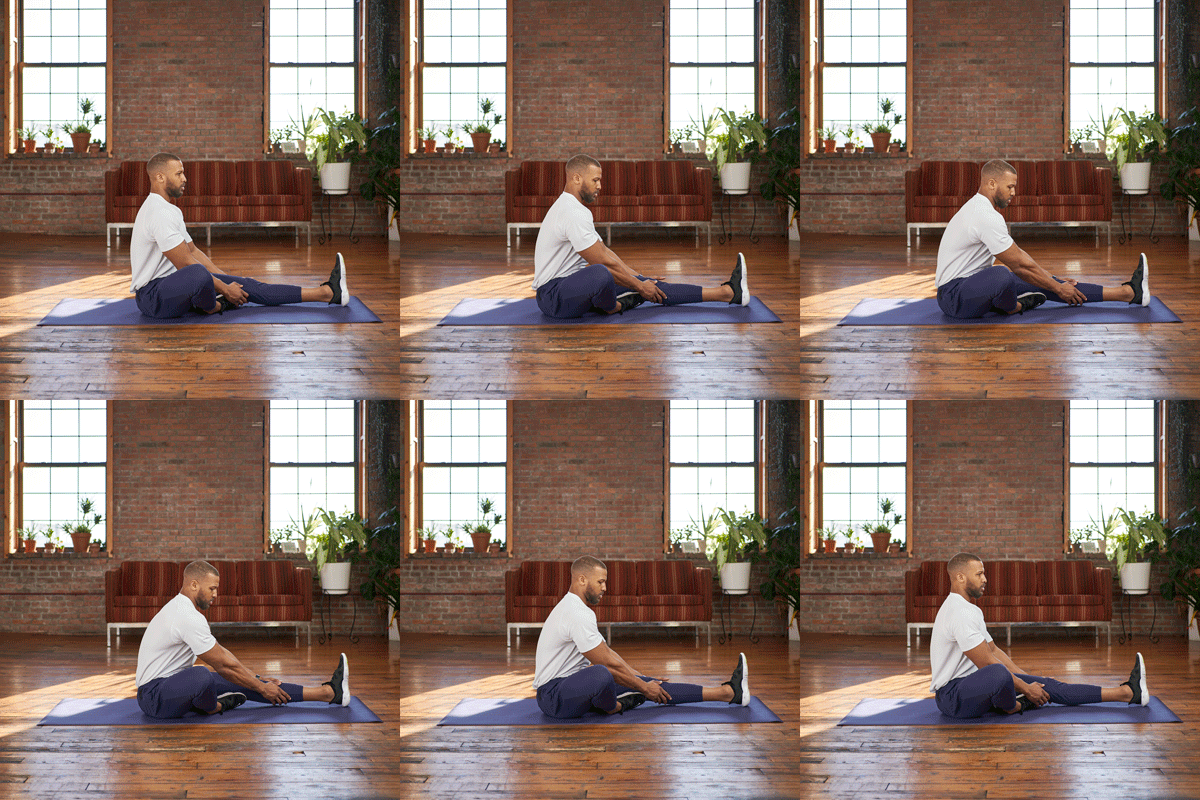
Tight hamstrings are commonly associated with lower back pain and injury. This stretch targets the hamstring muscles to reduce tightness and relieve tension along the spine. If you have lumbar pain, using a towel may make the stretch more comfortable.
To perform a modified seated hamstring stretch with a towel:
- Sit on the floor with one leg extended straight in front of you.
- Loop a standard bath towel around the bottom of your foot at the heel.
- Hinge forward slowly at your hips, bringing your abdomen toward your thighs.
- Keeping your back straight, hold the towel to gently draw your torso closer to your leg.
- Stretch until you feel mild tension in your lower back and the back of your leg.
- Hold for 10 seconds, rest for 30 seconds, and repeat 3 times.
You can adjust the intensity by gripping the towel closer to or farther from your foot. As flexibility improves, gradually increase the hold time or shorten the rest between repetitions.
5. Pelvic tilt

The pelvic tilt is a simple yet effective exercise to loosen tight back muscles and preserve flexibility.
To perform the pelvic tilt:
- Lie on your back with your knees bent and feet flat on the floor. Place your hands near the base of your head or alongside your body. The natural curve of your spine will slightly lift your lower back off the floor.
- Gently arch your lower back and push your abdomen upward, engaging your core.
- Hold for 5–10 seconds, then relax.
- Tighten your abdominal and buttock muscles as you tilt your pelvis slightly upward toward the ceiling, pressing your lower back into the floor. Your pelvis should remain in contact with the ground.
- Hold for 5–10 seconds, then relax.
- Begin with 10–15 repetitions per day, gradually increasing to 25–30 repetitions.
6. Flexion rotation
The flexion rotation stretch targets the lower back and buttocks, helping to improve mobility and reduce stiffness.
To perform the flexion rotation:
- Lie on your right side with both legs extended.
- Bend your left leg and hook your foot behind your right knee.
- Use your right arm to hold your left knee.
- Place your left hand behind your neck.
- Slowly rotate your upper body backward, attempting to bring your left shoulder blade toward the floor. You should feel a gentle stretch in your lower back.
- Repeat the rotation 10 times, holding each stretch for 1–3 seconds before returning.
- Switch sides and repeat steps 1–6.
7. Supported bridge
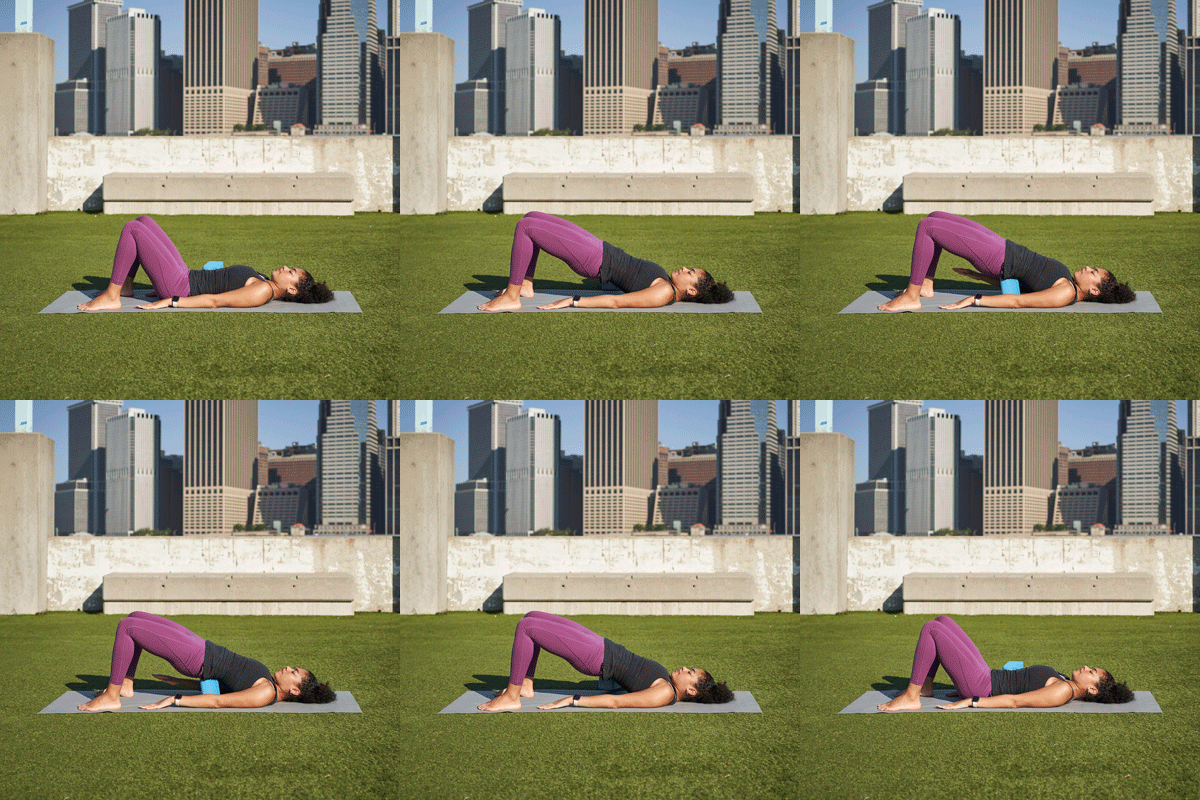
This supported bridge uses a foam roller or firm cushion to elevate the hips, allowing gentle decompression of the lower back.
To perform the supported bridge:
- Lie on your back with knees bent and feet flat on the floor.
- Lift your hips and position a foam roller or firm cushion beneath them.
- Allow your body to fully relax into the support of the floor and the prop.
- Hold for 30–60 seconds and repeat 3–5 times, resting 30–60 seconds between sets.
8. Belly flop
Similar to the supported bridge, the belly flop gently decompresses the lower back using supported elevation. For this exercise, you’ll use a rolled towel or blanket.
To perform the belly flop:
- Roll a towel or blanket lengthwise and place it horizontally in front of you.
- Lie face down over the roll so your hip bones rest directly on it.
- Let your body fully relax. You may turn your head to either side.
- Remain in this position for 1–2 minutes and repeat 1–3 times, resting 30–60 seconds between sets.
The bottom line
Consistent physical activity and stretching can help reduce lower back pain and lower the likelihood of recurrence.
Movements that engage muscles such as the abdominals and hamstrings may decrease tightness in the lower back. Exercises like trunk rotation, pelvic tilt, and supported bridge are practical options for managing lingering discomfort. Pairing these stretches with ergonomic improvements—such as selecting the Best chair for lower back pain at home with arms—can further support spinal alignment and promote long-term back health.
General Questions
The knee-to-chest stretch and Cat-Cow pose are highly effective for immediate relief, as they gently lengthen the spine and release tension in the lower back muscles.
For best results, perform these stretches daily. Consistency is key to reducing tightness, improving flexibility, and managing chronic discomfort over time.
Yes, these gentle stretches are suitable for chronic pain. Start slowly, listen to your body, and avoid any movement that causes sharp pain. Consult a healthcare provider for personalized advice.
A supportive chair with arms provides essential lumbar support, promotes proper spinal alignment, and reduces strain during prolonged sitting, which is crucial for pain management.
Regular stretching maintains muscle flexibility, reduces tightness in the hamstrings and hip flexors, and supports spinal stability, thereby lowering the risk of future pain flare-ups.





Related Posts
6 Foam Roller Exercises for Your Back
Sep 16, 2026 • 19 min read
Stretches and Exercises to Help Ease SI (Sacroiliac) Joint Pain
Oct 5, 2026 • 3 min read
The 9 Best Couches for Good Posture and a Healthy Back
Sep 30, 2026 • 17 min read
Pregnancy Rib Pain: Causes, Prevention, Remedies
Sep 19, 2026 • 31 min read
10 Back Exercises with Bands to Counteract Work-from-Home Posture
Sep 14, 2026 • 36 min read