
Overview
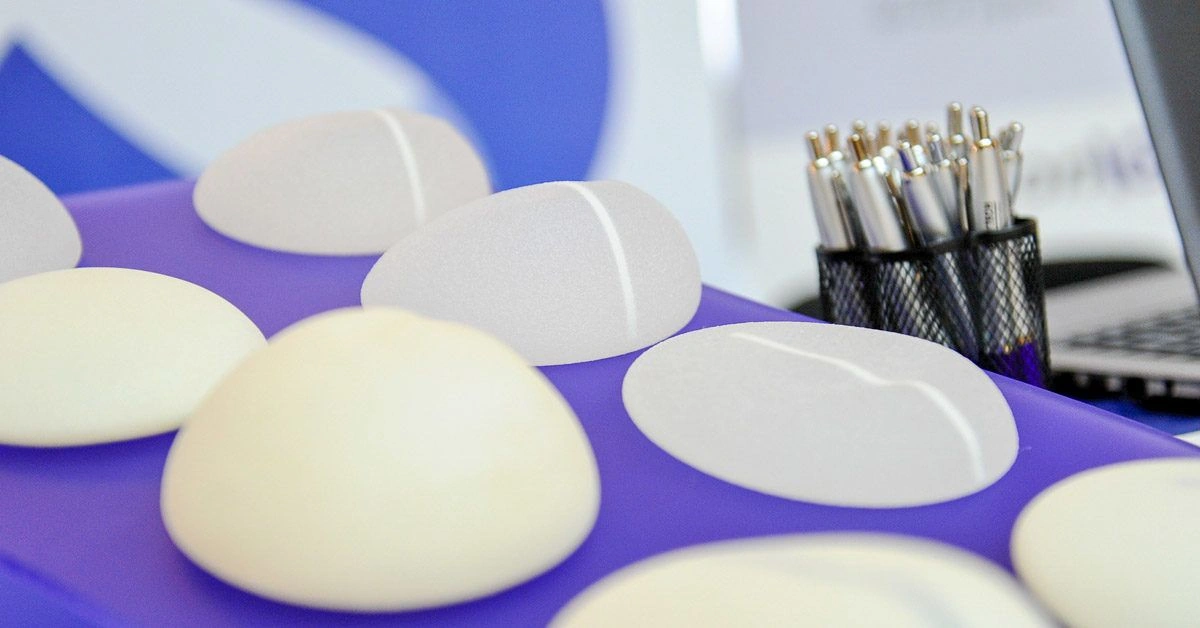
Gummy bear breast implants are one of the choices available for breast enlargement. The name “gummy bear” is a colloquial label for these teardrop-shaped, gel-filled implants. They’re noted for holding their form better than many other implant varieties made from saline or traditional silicone.
Introduced in the mid-2000s, gummy bear implants — also called highly cohesive gel implants — represent an enhanced version of a product whose roots trace back more than a century.
You might be a suitable candidate for this procedure if you want added breast volume without the exaggerated contour of some other implants. This operation is not appropriate for women who are pregnant or breastfeeding. Additionally, silicone-based implants are approved only for those aged 22 and older.
What are gummy bear implants made of?
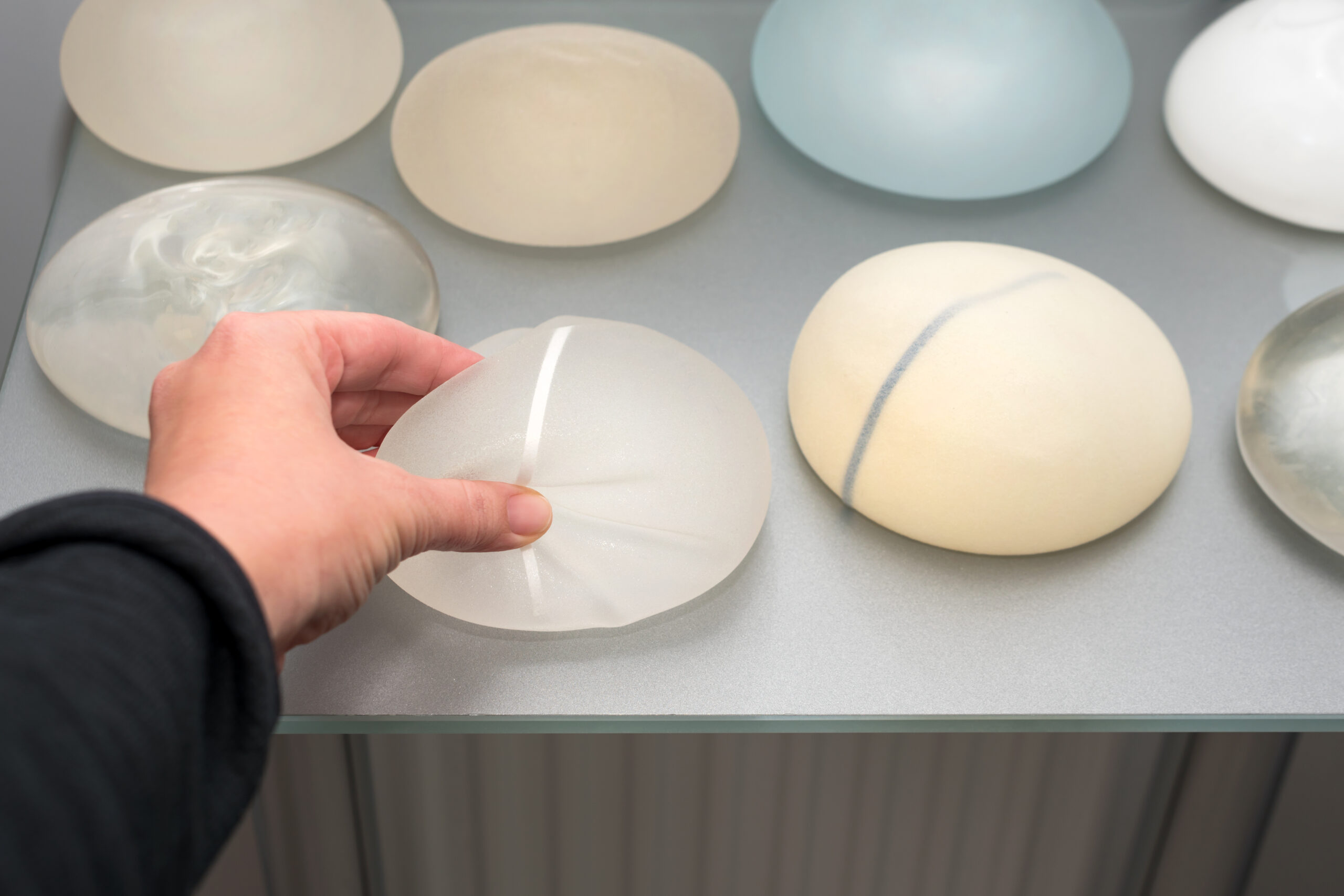
Every breast implant consists of an outer silicone shell and an internal filler. Most implants are filled with either silicone gel or saline solution.
Gummy bear implants combine a silicone shell with a silicone gel filler. Compared with other silicone implants, their edge is that they preserve shape while still leaving the breast feeling naturally soft.
Unlike older silicone implants, gummy bear implants keep their form even if the shell is compromised, because their gel is more cohesive and thicker.
Another common implant type is saline-filled. Rather than the thicker gel of gummy bear or traditional silicone implants, saline implants have shells filled with sterile salt water.
Are gummy bear implants safe?
After extensive study, breast implants are generally considered safe. Your surgeon will schedule regular monitoring to ensure your implants remain positioned correctly and haven’t ruptured.
Historically, implants had a higher likelihood of rupture and related issues. When ruptures occurred, gel could escape the shell and migrate into adjacent tissues.
Because gummy bear implants are sturdier, they’re less prone to rupture and leakage compared with some silicone gel and saline options. The drawback is that if a gummy bear implant does leak, it can be more difficult to identify than a saline leak. That’s why follow-up screening is essential. For silicone implants, the U.S. Food and Drug Administration (FDA) advises surveillance MRIs three years after placement and every two years after that.
Gummy bear implants pros and cons
As with other implant types, the main aim of gummy bear implants is to enhance the size and contour of the breasts. One disadvantage is that surgeons may need to make a larger incision, which can raise the chance of a more visible scar.
Breast augmentation does not correct sagging. If droopiness is your main issue, discuss a breast lift with your plastic surgeon instead.
Round versus teardrop-shaped implants
Conventional saline and silicone implants typically produce a round silhouette. If these implants rotate, it usually isn’t a problem because their shape is uniform.
Gummy bear implants are teardrop-shaped and are denser than the more common types. This design can be preferable if you want less fullness in the upper pole and a more natural slope in the lower portion. However, rotation is more noticeable with teardrop implants because they aren’t symmetrical on every side.
To reduce the chance of shifting or rotating, gummy bear implant shells are often textured so surrounding tissue can adhere to them, similar to how Velcro works.
These shaped, textured implants have been associated with a lower incidence of capsular contracture. Capsular contracture happens when scar tissue around the implant becomes unusually tight or thick, causing distortion, discomfort, and an unattractive look. It’s one of the most frequent complications after augmentation and a common reason for revision surgery.
Gummy bear implants cost
Breast augmentation is usually considered elective and is not covered by insurance, so patients typically pay out of pocket. Per the American Society of Plastic Surgeons, the national average cost for breast augmentation was $3,718 in 2017.
Gummy bear implants tend to be considerably pricier. One source estimates a range from $6,000 to $12,000. Variables include your surgeon, their technique, and geographic location.
Also remember there are potential additional expenses beyond the operation itself. These can include hospital and anesthesiology fees, as well as special clothing or bras needed during recovery. It’s wise to confirm all anticipated costs in advance.
Don’t forget recovery time: it can take several weeks to recuperate fully from the procedure.
Precautions
While gummy bear implants can produce notable results, every surgery carries risks. Common potential complications with breast augmentation include:
- bleeding
- infection
- changes in nipple sensation
- pain
- implant rupture
- scarring
- nausea and vomiting from anesthesia
- wrinkling of breast tissue
Other serious adverse effects have been documented, including severe nausea, back pain, and weight loss.
In 2011, the FDA identified a connection between breast implants and a rare lymphoma known as breast implant-associated anaplastic large cell lymphoma (BIA-ALCL). The exact causes are unclear, but textured implants may be linked to a higher number of cases than smooth-surfaced implants.
It’s also important to understand that implant results aren’t permanent. Beyond the risk of rupture, the American Society of Plastic Surgeons notes breast implants are not lifetime devices. Many people will need replacement or removal at some point. On average, implants are replaced or removed after about 10 years. The longer implants remain in place, the greater the chance of future complications.
Maintaining a stable body weight before surgery is recommended, since significant weight fluctuations can alter breast appearance.
The teardrop configuration of gummy bear implants is an option if you prefer to avoid the roundness of other implants, but they do carry the risk of rotating. If rotation occurs, breast shape may become uneven until a surgeon corrects or replaces the implants.

Takeaway
Gummy bear implants are thought to be more robust and could last longer than some other options. That durability comes with higher costs, however, since gummy bear implants are typically more expensive than other silicone- or saline-based alternatives. They’re not without risks, so choosing a skilled, reputable surgeon is essential.
















Leave a Reply
You must be logged in to post a comment.