Common Symptoms of Pancreatic Cancer


- What’s pancreatic cancer?
- What are the symptoms?
- Pain
- Weight loss
- Excessive hunger or thirst
- Dark urine
- Enlarged gallbladder
- Swelling, redness, and pain of the leg
- Weakness, confusion, sweating, and fast heartbeat
- What are the symptoms that affect the digestive system?
- Nausea and vomiting
- Diarrhea
- Light-colored or greasy stools
- Are there symptoms that affect the skin?
- Jaundice
- Itching
- Rash
- What’s the takeaway?
What’s pancreatic cancer?
The pancreas is a glandular organ situated deep in the abdomen, positioned behind the stomach. It plays a dual role in the body by releasing digestive enzymes that help break down food and by producing hormones that regulate blood sugar levels.
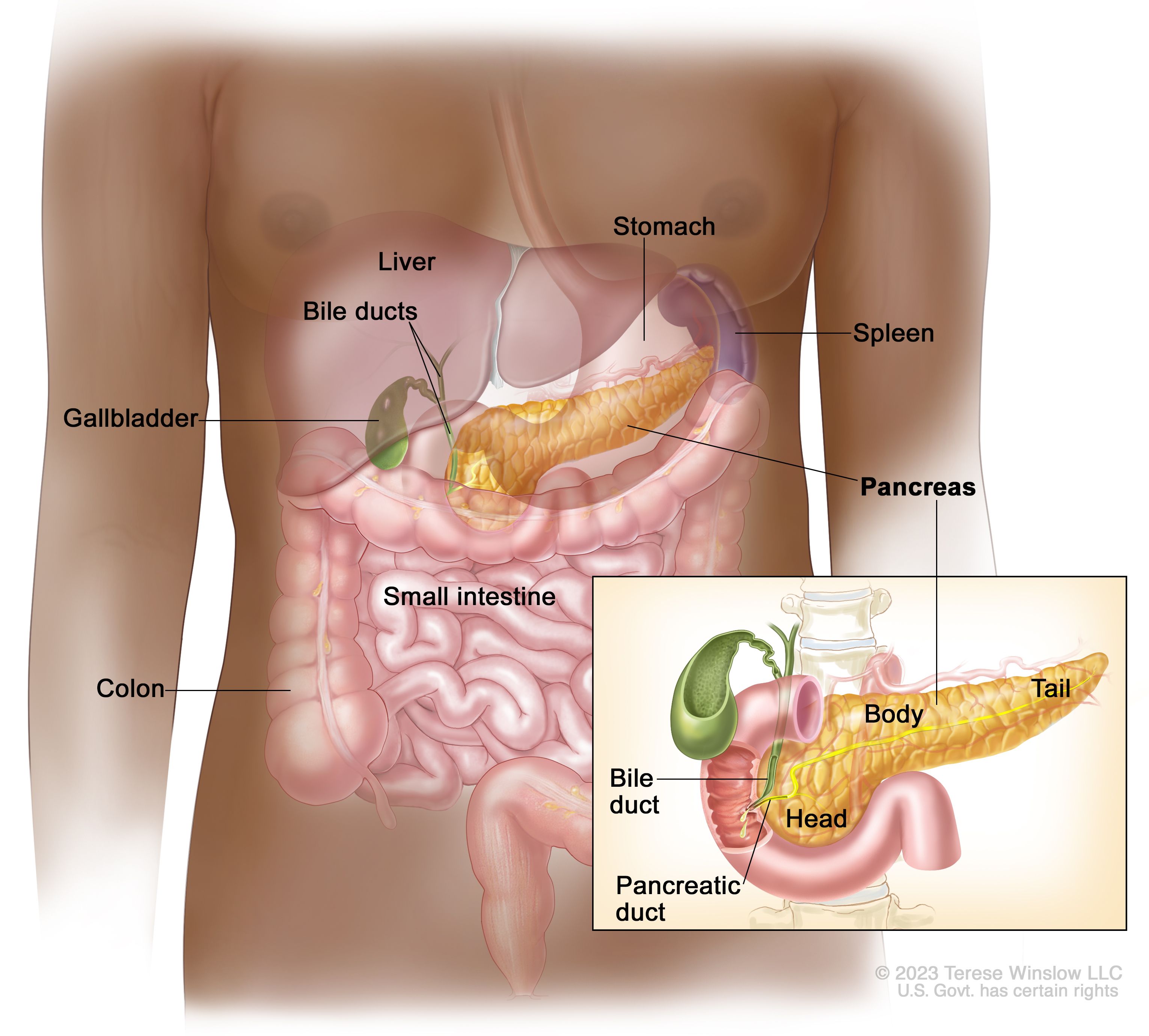
In the early stages, pancreatic cancer is rarely something you can detect by touch. Pressing on your abdomen won’t reveal a lump or visible mass. In fact, many people experience no noticeable symptoms until the disease has progressed or spread to nearby structures.
Unlike breast, colon, or prostate cancers, pancreatic cancer is not routinely identified through standard screening tests. At this time, there is no proven screening method that has been shown to reduce mortality from pancreatic cancer in the general population, which is why widespread testing is not commonly performed.
Pancreatic cancer is often referred to as a “silent disease” because it can develop quietly and remain undetected during its earliest—and most treatable—stage. Understanding potential warning signs, including subtle digestive changes such as Pancreatic cancer stomach noises, along with awareness of personal risk factors, can help with earlier medical evaluation. Your risk of developing pancreatic cancer is significantly increased if:
- you have a family history of the cancer
- you’re a smoker
- you’re obese
- you’re exposed to certain pesticides and chemicals on a regular basis
In addition, chronic inflammation of the pancreas and certain inherited genetic syndromes may also raise your risk. Being informed about these contributing factors supports proactive discussions with your healthcare provider.
What are the symptoms?
Pancreatic cancer can originate in either the exocrine glands, which produce enzymes essential for digesting food, or the endocrine glands, which create hormones such as insulin and glucagon that control blood sugar levels.
During the early phase, symptoms are frequently absent. As the tumor grows in size or begins to interfere with nearby organs and ducts, a range of symptoms may gradually appear.

Pain
As the malignancy advances, it may compress surrounding nerves or organs, leading to persistent discomfort. Obstruction within the digestive tract can also trigger pain. Many individuals with pancreatic cancer report aching or sharp pain in the upper abdomen that sometimes radiates to the back. This discomfort may worsen after eating or when lying down.
Weight loss
Unintended weight loss is a common feature. The cancer can suppress appetite, making it difficult to maintain adequate caloric intake. Certain pancreatic tumors produce hormones that interfere with the body’s ability to absorb nutrients properly. As a result, even with a normal diet, you may lose weight or develop signs of malnutrition.
Excessive hunger or thirst
These symptoms may point to diabetes, which can develop if the cancer damages insulin-producing cells in the pancreas. Without sufficient insulin, your body cannot effectively regulate blood sugar levels, leading to increased thirst, frequent urination, and persistent hunger.
Dark urine
Bile is a yellowish-brown digestive fluid produced by the liver. It is stored in the gallbladder and released into the intestines through the common bile duct to assist in digesting fats. If a tumor blocks the common bile duct, bilirubin—a component of bile—cannot be properly eliminated and begins to accumulate in the bloodstream.
Excess bilirubin may pass into the urine, causing it to appear darker or brown in color.
Enlarged gallbladder
When the common bile duct becomes obstructed, bile can build up in the gallbladder, causing it to enlarge. During a physical examination, your doctor may be able to feel this enlargement. You might also experience tenderness in the upper abdomen.
Swelling, redness, and pain of the leg
These can be warning signs of a blood clot in a deep vein of the leg, known as deep vein thrombosis (DVT). In some cases, a clot may be one of the earliest indicators of pancreatic cancer. If the clot dislodges and travels to the lungs, it can result in a pulmonary embolism, which typically causes sudden shortness of breath and chest discomfort.
Weakness, confusion, sweating, and fast heartbeat
These symptoms are associated with insulinomas, tumors that produce insulin. Excess insulin lowers blood sugar levels, potentially leading to hypoglycemia. Severe drops in blood sugar can cause fainting or even coma if not promptly treated.
What are the symptoms that affect the digestive system?
The pancreas is central to the digestive process. When a tumor disrupts its function, digestive disturbances often follow. People may notice changes such as bloating, altered bowel habits, or unusual abdominal sounds. Some individuals specifically report Pancreatic cancer stomach noises, which may be linked to partial intestinal blockage or impaired enzyme release. While stomach gurgling is common in many benign conditions, persistent or unusual digestive sounds combined with other symptoms warrant medical evaluation. You can learn more about related concerns such as Bowel cancer stomach noises and understand When should I be worried about stomach noises.

Digestive involvement can contribute to overall weight loss and may occur alongside the symptoms described below.
Nausea and vomiting
If the tumor interferes with digestive hormones or enzymes, you may experience persistent nausea. Certain pancreatic cancers increase stomach acid production, while others partially or completely obstruct the stomach or small intestine, preventing food from moving normally through the digestive tract. This blockage can result in vomiting, especially after meals.
Diarrhea
Diarrhea may occur in various forms of pancreatic cancer. It can also signal a rare tumor known as a VIPoma. This uncommon pancreatic tumor produces excessive amounts of vasoactive intestinal peptide (VIP), which causes the intestines to secrete large volumes of water. The result can be severe, watery diarrhea.
Additionally, if the pancreas fails to release sufficient digestive enzymes, your body may struggle to absorb nutrients properly, leading to loose stools and nutrient deficiencies.
Light-colored or greasy stools
Stools lacking adequate bilirubin often appear pale or clay-colored. Cancer can also prevent the pancreas from delivering digestive enzymes needed to break down fats. Undigested fat may pass into the stool, causing it to float, appear greasy, or have a particularly strong odor. These changes may indicate fat malabsorption.
Are there symptoms that affect the skin?
As the tumor enlarges and bile flow becomes obstructed, noticeable skin-related symptoms may develop.
Jaundice
Jaundice causes the skin and the whites of the eyes to turn yellow. This occurs when a tumor—especially one located in the head of the pancreas—blocks the common bile duct. The blockage prevents bilirubin from draining properly, leading to its buildup in the bloodstream and tissues.
Itching
An excess of bilirubin deposited in the skin can also lead to persistent itching and irritation, sometimes even before jaundice becomes clearly visible.
Rash
Individuals with glucagonoma, a specific type of pancreatic tumor, may develop a distinctive red, blistering rash on different parts of the body. This rash is triggered by excessive production of the hormone glucagon.
What’s the takeaway?
It’s essential to keep in mind that many different medical conditions can cause symptoms similar to those described above. Experiencing one or more of these signs—including digestive concerns like Pancreatic cancer stomach noises—does not automatically mean you have pancreatic cancer. However, persistent, unexplained, or worsening symptoms should always be discussed with your doctor. Early evaluation can help identify the underlying cause and guide appropriate treatment if necessary.
Most Asked Questions
Unusual or persistent stomach noises, such as gurgling or rumbling, can be associated with pancreatic cancer when a tumor disrupts digestion, enzyme release, or causes a partial intestinal blockage.
No, stomach noises are not a common early symptom. Pancreatic cancer is often silent in early stages. Noises may appear later alongside other symptoms like pain, jaundice, or weight loss.
Beyond noises, symptoms include nausea, vomiting, diarrhea, light-colored or greasy stools, bloating, appetite loss, and unintended weight loss due to nutrient malabsorption.
Jaundice, yellowing of skin and eyes, occurs when a tumor in the head of the pancreas blocks the common bile duct, causing bilirubin to accumulate in the bloodstream.
Consult a doctor if unusual stomach noises are persistent, worsening, or occur with other symptoms like abdominal pain, weight loss, jaundice, or changes in bowel habits.
Read Next






Related Posts

Constipation and Back Pain
Aug 1, 2026 • 8 min read
How Long Does It Really Take to Sober Up?
Aug 23, 2026 • 13 min read
White Specks in Stool
Aug 28, 2026 • 3 min read
Salmonella Food Poisoning
Sep 14, 2026 • 20 min read
Proteolytic Enzymes: How They Work, Benefits and Sources
Sep 13, 2026 • 23 min read