
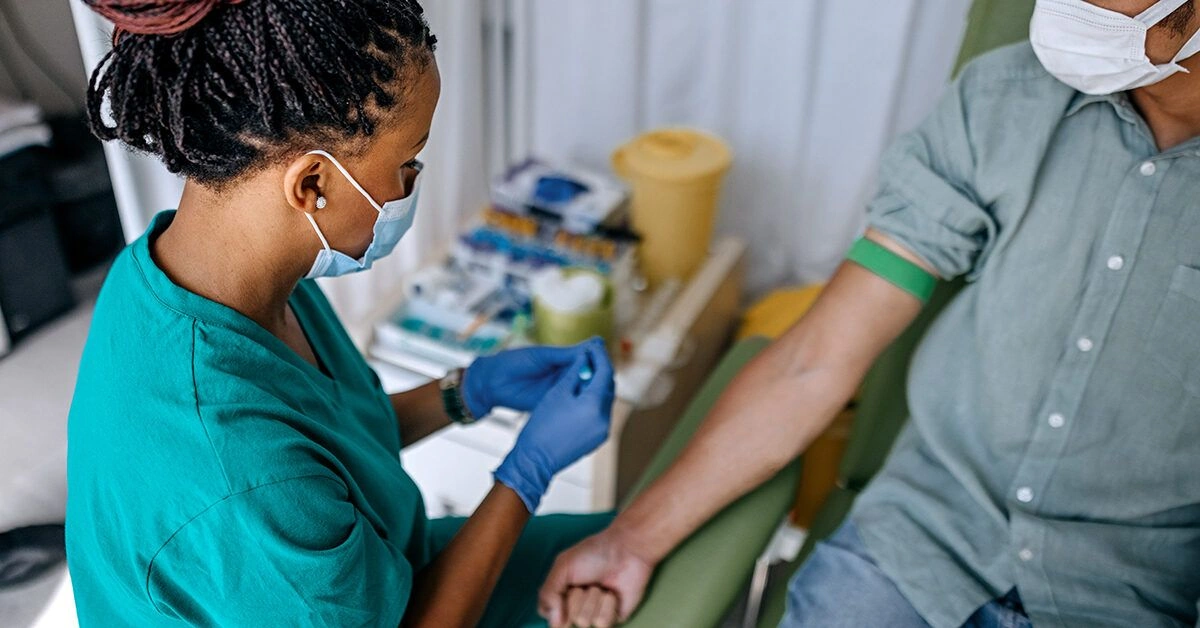
Fasting prior to certain laboratory tests plays a key role in ensuring your results are as precise as possible.
Many blood tests require you to avoid food and beverages ahead of time. In these situations, your healthcare provider will tell you not to eat or drink anything except water during the hours before your appointment. If you’re wondering, Can I drink water before a fasting blood test for diabetes, the short answer is generally yes — but there are important details to understand.
The vitamins, minerals, fats, carbohydrates, and proteins found in foods and drinks can influence blood measurements, potentially distorting your lab values. That’s why proper preparation is essential, especially for glucose testing and other metabolic panels.
Which blood tests require you to fast?
Not every blood test calls for fasting. However, you’ll likely be instructed to fast before the following tests:
- blood glucose test
- liver function test
- iron level blood test
- basic metabolic panel
- renal function panel
Some lipid profile tests may also require fasting for 9–12 hours, although research indicates that fasting may not always be necessary. These include:
- cholesterol test
- triglyceride level test
- high-density lipoprotein (HDL) level test
- low-density lipoprotein (LDL) level test
- lipoprotein panel (which includes all of the above tests)
Other screenings, such as a fecal occult blood test, do not require fasting but may restrict specific foods. For example, consuming red meat, broccoli, or certain medications beforehand could result in a false positive finding.
If you’re preparing for diabetes screening and asking, Can I drink water before a fasting blood test for diabetes, it’s helpful to review detailed preparation advice such as this guide on Can I drink water before a fasting blood test.
How long should you fast before a blood test?
The length of your fast depends on the specific test ordered. For most fasting blood work, doctors recommend avoiding all food and beverages except water for 8–12 hours before the test.
Tip
Book your appointment early in the morning when possible. The time you spend asleep counts toward your fasting window, provided you don’t consume coffee, snacks, or other drinks after waking up.
For individuals undergoing a fasting blood glucose test to evaluate diabetes or prediabetes, adhering strictly to the fasting period helps ensure that glucose levels reflect your baseline metabolic state rather than recent food intake.
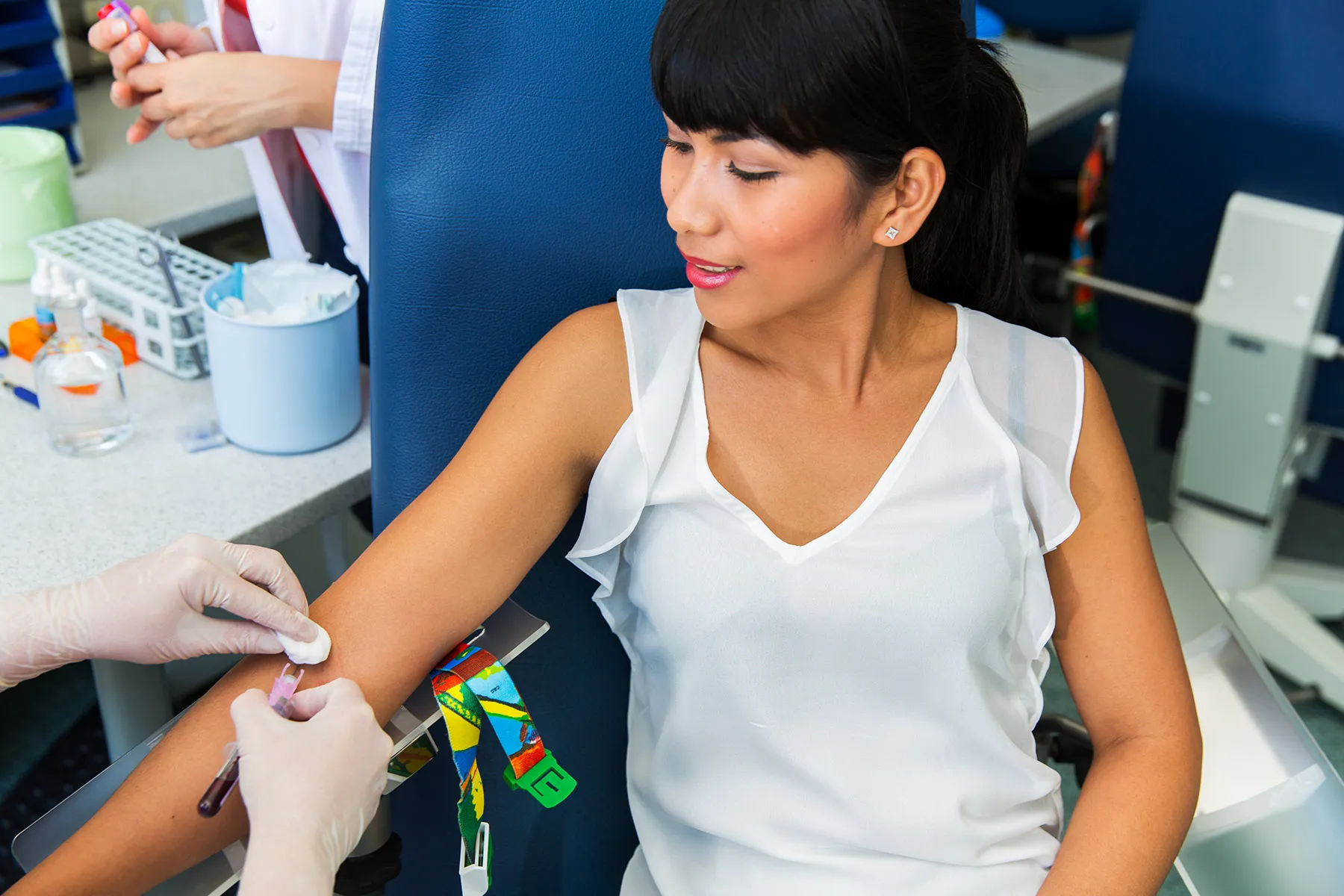
Can you drink coffee if you’re fasting before a blood test?
Coffee may interfere with laboratory results because it contains caffeine and soluble plant compounds that can influence certain measurements.
Additionally, coffee acts as a diuretic, increasing urine output. This can contribute to mild dehydration. When you’re not adequately hydrated, it may be more difficult for the healthcare professional to locate a vein, potentially making the blood draw more uncomfortable.
Recent research suggests that black coffee may not significantly impact some tests, but further studies are required before clear recommendations can be made.
Tea and energy drinks should also be avoided while fasting for blood work.
Can you drink alcohol if you’re fasting before a blood test?
Certain blood tests, particularly those evaluating liver function or triglyceride levels, may require you to avoid alcohol for 24 hours. Alcohol can affect enzyme levels, glucose values, and lipid measurements.
If you’re unsure about alcohol restrictions, ask your healthcare provider for clarification when scheduling your test.
Can you drink water before a fasting blood test?
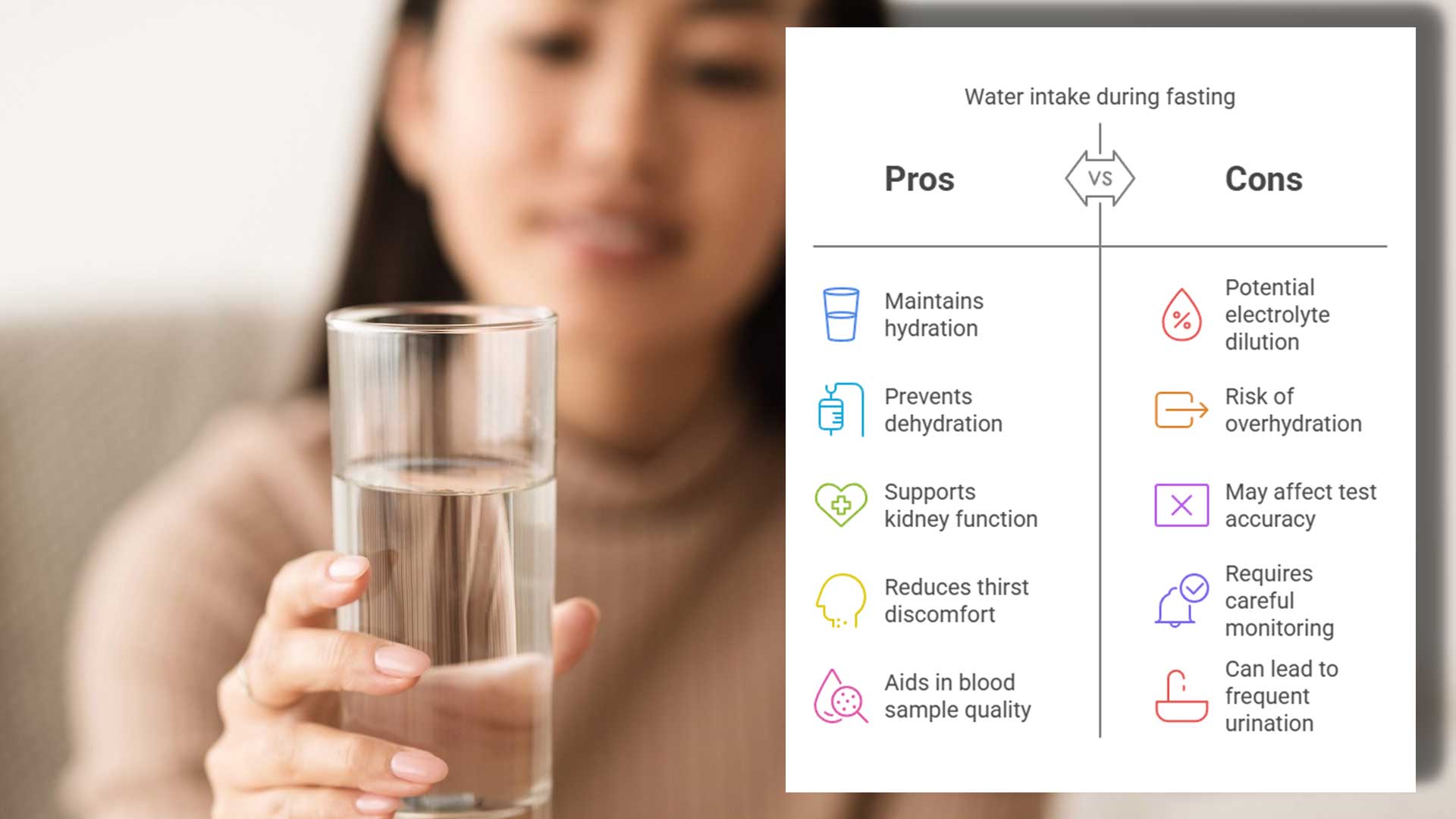
Yes, in most cases, drinking plain water is allowed — and even encouraged — before a fasting blood test, unless your doctor advises otherwise. This differs from certain surgical procedures that require a completely empty stomach.
Both tap and bottled water are acceptable choices. However, avoid adding lemon or other flavorings. Carbonated beverages such as seltzer or club soda are not recommended during fasting.
If you’re specifically concerned about diabetes testing and asking, Can I drink water before a fasting blood test for diabetes, staying hydrated with plain water will not raise your blood glucose levels and will not invalidate your fasting blood glucose test. For more detailed timing guidance, you may find it helpful to review How soon should you drink water before a blood test.
Tip
Proper hydration helps your veins appear fuller and easier to access. Try to drink sufficient water in the two days leading up to your appointment. Having a few glasses of water shortly before your blood draw may make the process smoother and more comfortable.
What else should I avoid before a fasting blood test?
If your test requires fasting, you should also steer clear of the following:
- Chewing gum: Even sugar-free gum may influence certain results, according to 2020 research.
- Smoking: Nicotine traces can remain detectable in your blood for up to 5 days. Smoking may also alter lipoprotein levels. Ask your doctor whether you should avoid smoking, vaping, or chewing tobacco — and for how long — before your test.
- Exercise: Blood work is most accurate when performed at rest. Experts often recommend avoiding intense physical activity for at least 24 hours before testing.
- Certain medications: In most cases, you can continue taking prescribed medications. However, some medications require food intake. Always consult your doctor before discontinuing any medication.
These precautions are especially important if you are being evaluated for diabetes, metabolic syndrome, or other endocrine conditions where accurate glucose and lipid readings are critical.
What if your child needs to fast before a blood test?
Children, like adults, may need to fast before specific blood tests. Your child’s pediatrician will provide instructions on how long they should avoid food and drinks.
Tips for parents
- Arrange the test early in the morning to minimize fasting time.
- Keep them distracted with activities, games, or favorite shows to help pass the time.
- Bring a snack so they can eat immediately after the test is completed.
- If they accidentally eat something, inform the clinic. It may be better to reschedule than to risk inaccurate results.
What about fasting for a blood test during pregnancy?
Some routine prenatal tests require fasting. Your healthcare provider will explain how to prepare for each specific screening.
In general, fasting is considered safe during pregnancy if you are healthy and not experiencing a high risk pregnancy. For comfort, your doctor may suggest drinking additional water or staying indoors during hot or humid weather.
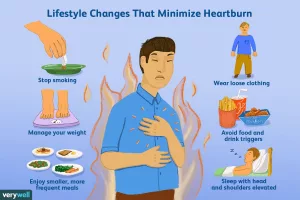
Fasting can sometimes worsen heartburn in pregnant individuals. Notify your doctor if you experience discomfort or concerning symptoms while waiting for your blood draw.
If you’re seeing a provider other than your obstetrician-gynecologist, make sure they are aware of your pregnancy before conducting blood tests.
Q&A: What happens if you don’t fast before a blood test?
Q:
What happens if you don’t fast before a blood test? Should you still do the test?
A:
If you fail to fast before a test that requires it, your results may be inaccurate. If you accidentally eat or drink something, contact your healthcare provider to ask whether the test can proceed. In some cases, the lab can analyze the results with a note indicating that you were not fasting.
Be transparent about what you consumed — whether it was a small snack, a cup of coffee, or a full meal. The technician can document this information so your results are interpreted appropriately. If fasting is essential for accurate assessment, they may recommend rescheduling.
Takeaway
Many blood tests require fasting for 8–12 hours, though specific instructions vary. Always confirm preparation guidelines with your healthcare provider, particularly if you’re preparing for a fasting blood glucose test for diabetes and wondering, Can I drink water before a fasting blood test for diabetes.
If you anticipate difficulty fasting, discuss your concerns with your doctor. Some healthcare systems, including the Department of Veterans Affairs, have eliminated fasting requirements for many routine blood tests.
Carefully following your provider’s recommendations will help ensure accurate results and reliable guidance for your health. When in doubt, ask for clarification so you can feel confident and well-prepared on the day of your test.



















Leave a Reply
You must be logged in to post a comment.