

Certain beverages and supplements can interrupt a fast, depending largely on whether they include ingredients such as sugars or calories.
Fasting has grown in popularity as a lifestyle approach.

Of course, fasts end at some point, and during feeding windows you’ll introduce foods back into your routine — effectively breaking the fast.
How you break a fast matters; some choices are preferable to others.
Additionally, a variety of foods, drinks, and supplements may unintentionally end a fast, while others have minimal influence.
Read on to find out which foods, beverages, and supplements are least likely to interfere with fasting and which are smart options when it’s time to break your fast.
Foods and drinks acceptable during fasting
Strictly speaking, fasting means abstaining from food. Still, there are certain items you can consume that may preserve many of the fasting benefits.
Some experts suggest you can remain in ketosis if you keep carbohydrate intake under roughly 50 grams per day during a fast.
Below are examples of foods and beverages commonly consumed while fasting.
- Water. Still or sparkling water has no calories and helps maintain hydration during a fast.
- Coffee and tea. These are best consumed with minimal or no added sugar, milk, or cream. Some people add tiny amounts of milk or fat to help blunt hunger.
- Diluted apple cider vinegar. Many find that mixing 1–2 teaspoons (5–10 ml) of apple cider vinegar in water helps with hydration and curbs cravings while fasting.
- Healthy fats. Some people put MCT oil, ghee, coconut oil, or butter in their coffee during fasts. While oil technically breaks a fast, it typically won’t disrupt ketosis and can help carry you until your next meal.
- Bone broth. This nutrient-rich beverage can help restore electrolytes lost during extended periods of only drinking water.
Keep in mind that anything containing calories — such as bone broth or the fats listed above — will technically terminate your fast.
However, modest amounts of low-carb, high-fat, moderate-protein items usually won’t push your body out of ketosis.
Summary: Some people opt to consume small portions of certain foods and drinks (like bone broth or healthy fats) during fasting, while others stick to calorie-free beverages.
How supplements interact with fasting
It’s generally unlikely that short-term fasting will cause nutrient deficiencies, but this depends on how strict your fasting plan is and how long it lasts.
Some people take supplements during fasting to ensure adequate vitamin and mineral intake. Frequent fasting could increase the risk of deficiencies if the rest of your diet is already low in essential nutrients.
If you use supplements while fasting, it’s helpful to understand which ones are likely to break a fast so you can decide whether to take them with food or during your fasting window.
Supplements that are more likely to break a fast
In general, supplements that may interrupt a fast contain calories, sugars, protein, or fats.
- Gummy multivitamins. These often include small amounts of sugar, protein, or even fat, any of which could end a fast.
- Branched-chain amino acids (BCAAs). BCAAs seem to induce an insulin response that may oppose autophagy.
- Protein powders. These provide calories and provoke insulin release, signaling to the body that you are not fasting; they’re typically used after a fasting phase.
- Supplements containing sweeteners or fillers. Ingredients such as maltodextrin, pectin, cane sugar, or fruit juice concentrate contribute sugar and calories that can break fasting.
Supplements less likely to break a fast
- Multivitamins without added sugar or fillers. These usually provide negligible calories.
- Fish or algae oil. At normal doses, these deliver few calories and no digestible carbohydrates.
- Single micronutrients. Supplements like potassium, vitamin D, or B vitamins generally contain virtually no calories (note: fat-soluble vitamins A, D, E, and K are absorbed better with some dietary fat).
- Creatine. Creatine has no calories and doesn’t affect insulin levels.
- Pure collagen. This may mildly influence autophagy but isn’t likely to notably disrupt ketosis or fat burning during a fast.
- Probiotics and prebiotics. These typically contain no calories or digestible carbs.
Summary: Supplements can be taken during fasting windows, though some are better absorbed with food. Those with calories or sugars are likelier to end your fast.
How to break your fast
When breaking a fast, begin with easily tolerated foods and avoid overeating.
Foods that gently break a fast
As you finish your fast, it’s wise to reintroduce food gradually. Small portions of easily digested items reduce the chance of overwhelming your digestive tract.
Starting with meals high in fat, sugar, or fiber might be hard for your body to process and can cause bloating or discomfort.
Foods that can be particularly jarring immediately after a fast include greasy fast-food burgers, cake, and sugary sodas. Even high-fiber raw produce, nuts, and seeds may be tough to digest right away.
Conversely, nutrient-rich options that are gentle and include some protein and healthy fats can help you transition back to eating.
Here are several suggestions for breaking a fast.
- Smoothies. Blended beverages are often gentler because they contain less intact fiber than whole fruits and vegetables.
- Dried fruits. Items like dates are energy-dense and commonly used to break fasts.
- Soups. Broths with protein and easily digestible carbs—such as lentils, tofu, or small pasta—can be a mild way to end a fast. Avoid cream-heavy soups or those packed with raw, high-fiber vegetables.
- Vegetables. Cooked, soft starchy vegetables (like potatoes) can be good first choices.
- Fermented foods. Unsweetened yogurt or kefir are gentle options.
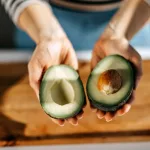
- Healthy fats. Eggs or avocado make excellent initial foods after fasting.
Choosing nourishing foods that are better tolerated can help replace electrolytes and nutrients while easing digestion back into normal function.
Once you tolerate these milder choices, gradually reintroduce other wholesome foods such as whole grains, legumes, vegetables, nuts, seeds, and lean proteins.

Avoid overeating
It’s easy to overconsume during eating windows.
Although fasting focuses more on timing than specific food choices, it shouldn’t be used as justification to indulge in unhealthy foods.
Eating excessive amounts of junk food between fasts can negate the health advantages of fasting. Aim for minimally processed, whole foods for the best overall outcomes.
Summary: When ending a fast, choose gentle foods and beverages that won’t overwhelm your digestive system. Steer clear of foods very high in sugar, fat, or fiber, and avoid overeating.
What is intermittent fasting?
Intermittent fasting is an eating pattern alternating between periods of eating and periods of no or minimal calorie intake. It emphasizes when you eat rather than what you eat.
Despite recent popularity, intermittent fasting is not new. People have practiced fasting throughout history for spiritual, health, or survival reasons.
The aim isn’t solely calorie restriction but also allowing the body to perform maintenance and recovery rather than continuous digestion.
Many protocols include daily 12–16 hour fasting windows, while others involve 24- or 48-hour fasts once or twice weekly.
During fasting, the body undergoes various metabolic adaptations. Over time, fasting can shift the body into ketosis, where fat is burned for energy when carbs are scarce.
Fasting also lowers insulin and supports autophagy, the process by which the body clears out damaged or unwanted cells.
Research provides evidence that intermittent fasting may help with weight loss, blood sugar control, heart health, inflammation reduction, and lowering the risk of chronic disease.
Summary: Intermittent fasting cycles between fasting and eating periods. It’s commonly used for health reasons like weight management and chronic disease prevention and has historical precedent for other purposes.
Key takeaway
Understanding which foods and supplements can break a fast allows you to decide whether to take them during eating windows or while fasting.
During fasting periods, favor calorie-free drinks and supplements where possible.
Some people opt to consume small amounts of certain foods to manage hunger; these may technically break a fast but still preserve ketosis.
When you decide to end a fast, choose easily digested foods that aren’t excessively high in sugar, fat, fiber, or complex carbohydrates.
Then gradually return to your usual healthy eating pattern. For related information on cleansing and how certain household items might affect your system, see does vinegar clean your system in 24 hours.
















Leave a Reply
You must be logged in to post a comment.