


- New research has found that cold temperatures lower immunity in the nose and make us more susceptible to viruses.
- A drop in nasal tissue temperature of just 5° C reduced immune response by almost half.
- The findings help explain why we’re more prone to catching colds and flu during winter.
- Vitamin C and hand washing measures can help protect us from common colds.
The average American adult experiences 2-3 bouts of the common cold each year. As temperatures fall and winter nears, the chances of becoming ill tend to climb. This seasonal pattern often leads people to ask: Why is flu season in the winter, and what makes respiratory infections more common during colder months?
For decades, experts believed the answer was largely behavioral. Cold and flu viruses circulate more easily in winter because people spend more time indoors in close contact with others. Crowded environments make it simpler for viruses to pass from person to person through respiratory droplets and contaminated surfaces. If you’re wondering what month is flu season, the worst, it typically peaks between December and February in the United States, though activity can begin as early as October and extend into spring.
However, emerging evidence suggests that the explanation for why flu season happens in winter goes beyond indoor crowding. New research published this month by scientists at Massachusetts Eye and Ear hospital and Northeastern University indicates there are biological changes in our bodies during cold weather that increase vulnerability to infection.
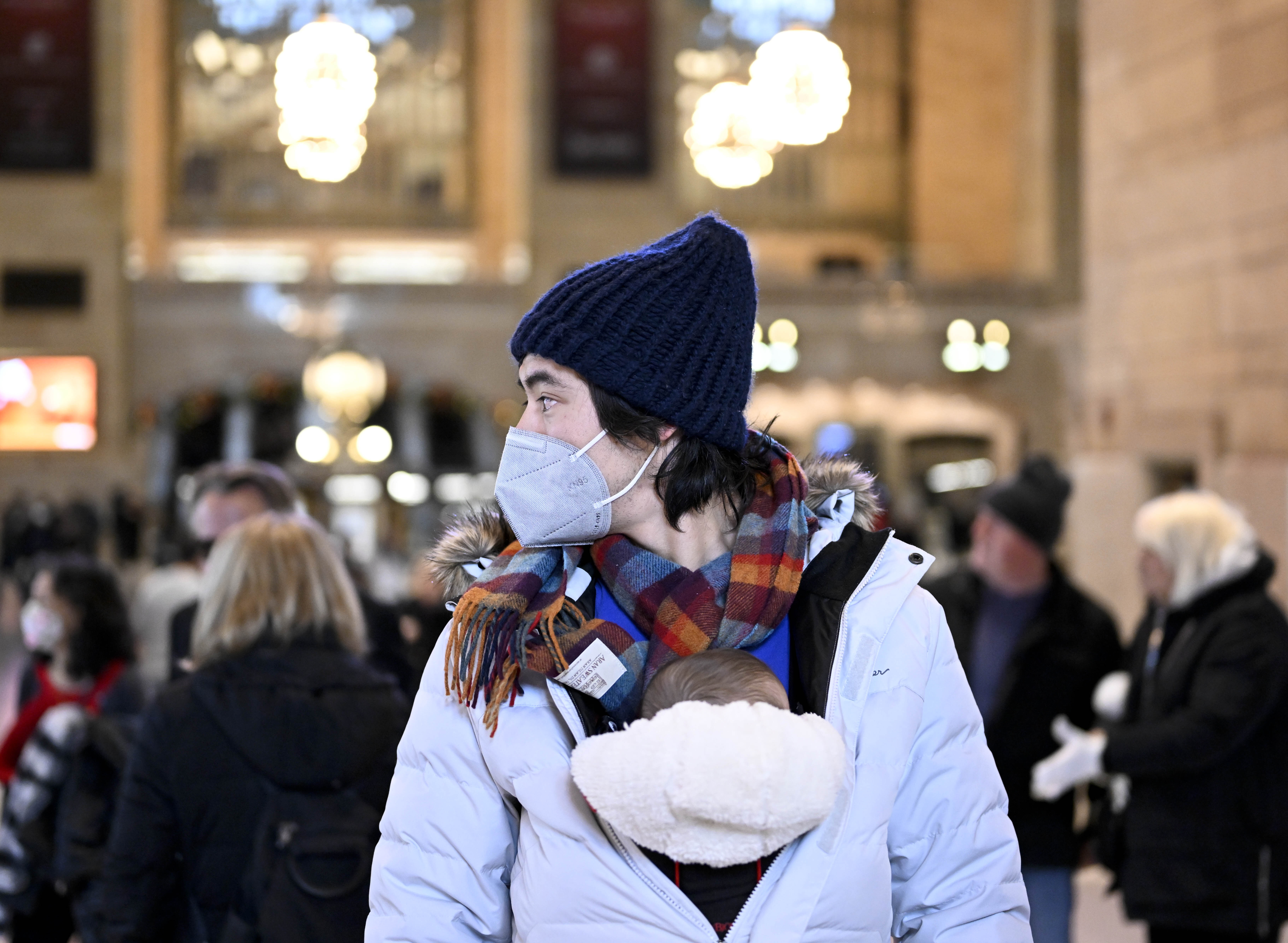
How viruses enter the nose
Virus particles typically gain access to the body in two primary ways: by inhalation or by direct contact, such as touching the nose after handling a contaminated surface.
“The nose is one of the first points of contact between the outside world and inside the body,” explained Dr Benjamin Bleier, director of Otolaryngology Translational Research at Mass. Eye and Ear and co-author of the study published in The Journal of Allergy and Clinical Immunology.
Once virus particles enter the nasal passages, cells lining the nasal cavity respond rapidly in an attempt to eliminate the invaders. Yet the new findings show that colder temperatures can substantially weaken this initial immune defense. This discovery adds an important biological layer to the question: why is flu season in the winter rather than evenly distributed throughout the year?
What happens when viruses enter the nose
To fully understand the process, it helps to review what occurs at the microscopic level when a virus reaches the nasal cavity.
In 2018, Bleier and colleagues from Mass. Eye and Ear and Northeastern University found that when nasal cells near the front of the nose detect bacteria, they trigger the release of billions of tiny, fluid-filled sacs.
These structures, known as ‘extracellular vesicles’ (EVs), move swiftly into the mucus layer to “surround and attack the bacteria before they have a chance to infect the cells,” Bleier previously told HealthEH.
In simple terms, EVs act as a rapid-response defense system, attempting to neutralize pathogens before they can establish a significant infection.
Building on this discovery, researchers examined whether the same mechanism applies to viruses that cause upper respiratory infections, including the common cold.
Bleier noted, “This led our team to look at whether this same response happened for some of the viruses that cause common upper respiratory infections, like the common cold.”
The team observed that with three common cold viruses, EVs were indeed released and behaved similarly—encircling and targeting viral particles in the mucus.
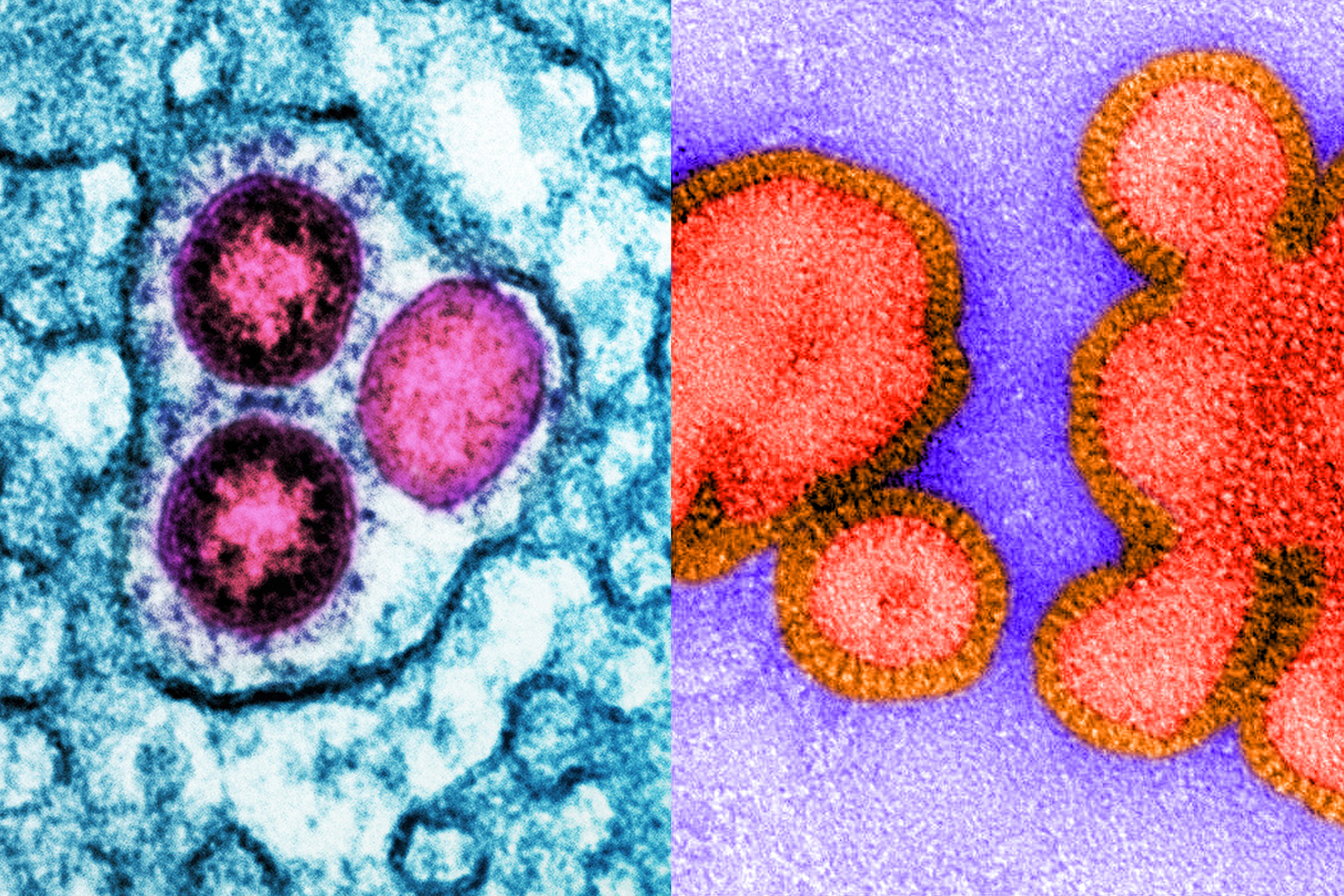
“These vesicles contained molecules (called microRNA), which then killed the viruses,” Bleier explained. As a result, the EVs were “effectively mopping up the viruses before they could bind to the nasal cells and initiate an infection.”
Additionally, EVs functioned as ‘decoys,’ attracting virus particles to attach to them instead of to healthy nasal cells. This dual action—neutralizing and diverting viruses—plays a crucial role in preventing infection from taking hold.
How cold weather impairs the body’s ability to protect itself
The researchers then explored whether exposure to cold air might interfere with this protective nasal response, helping clarify why flu season is in the winter.
To test this, they exposed nasal tissues to temperatures of 39.9° F or 4.4° C. This exposure caused approximately a 9° F or 5° C drop in tissue temperature. That seemingly small reduction had a significant effect on immune performance.
“This drop significantly reduced this innate immune response in the nose,” Bleier said.
The production of EVs decreased by more than 40%, and the vesicles that were produced were less effective.
“This reduced response can make the virus more able to both stick to and infect the nasal cells,” Bleier explained. Once viruses successfully attach, “they can divide and cause infection.”
According to the researchers, this is the first study to provide a biological explanation for why individuals are more likely to develop upper respiratory infections such as cold, flu, and COVID-19 during colder weather. In other words, the answer to why is flu season in the winter may lie partly in how temperature directly alters immune defenses inside the nose.
Cold symptoms and susceptibility
Unlike some viral illnesses that affect multiple body systems, cold-related symptoms are often concentrated in the nasal passages.
The most common signs of a cold, according to Dr. Edward Kuan, an otolaryngology-head and neck surgery specialist in rhinology at UCI Health in California, include:
- Stuffy and runny nose
- Sneezing
- Postnasal drip
Postnasal drip may also contribute to a sore throat and cough. Some individuals, he added in comments shared with HealthEH, “can have more systemic symptoms, such as mild fever or fatigue.”
While anyone can catch a cold or the flu, certain populations face higher risks of severe illness or complications due to reduced immune defenses.
These groups include:
- Young children, whose immune systems are still maturing
- People who live or work in highly populated or dense settings
- Individuals with decreased immune system function
- Cancer patients
- Those who have undergone transplants
For these individuals, understanding why flu season occurs in winter is especially important, as preventive strategies can significantly reduce exposure and improve outcomes.
How to bolster your defenses
Dr. Abeer Siddiqi, a board-certified allergist and clinical immunologist at Houston ENT and Allergy, explained to HealthEH that maintaining adequate vitamin C intake may help strengthen nasal immune defenses.
Vitamin C has been shown to support mucus membranes—the primary tissue lining the nose—as well as overall immune health.
She described vitamin C as a potent micronutrient, antioxidant, and cofactor for enzymes that are vital to immune function. These enzymes help ensure optimal activity of innate immune cells, including white blood cells, which are central to fighting viral infections.
More broadly, “vitamin C will help support immunity in every part of the body that has a dense network of immune cells and tissues,” Siddiqi noted.
Good dietary sources of vitamin C include oranges, broccoli, strawberries, kiwi, and red peppers. Maintaining a balanced diet, staying hydrated, and getting sufficient sleep further enhance immune resilience during peak cold and flu season.
Other steps to stay healthy
In addition to proper nutrition, Siddiqi emphasized that basic hygiene practices remain highly effective in lowering infection risk. These include:
- Hand washing
- Hand sanitizing
- Wearing a high-quality face mask (especially in crowded spaces)
- Covering your mouth while sneezing or coughing
- Isolating when sick
Combined with vaccination against influenza, these measures form a layered approach to prevention. They are particularly important during months when influenza activity is at its highest and respiratory viruses circulate widely.
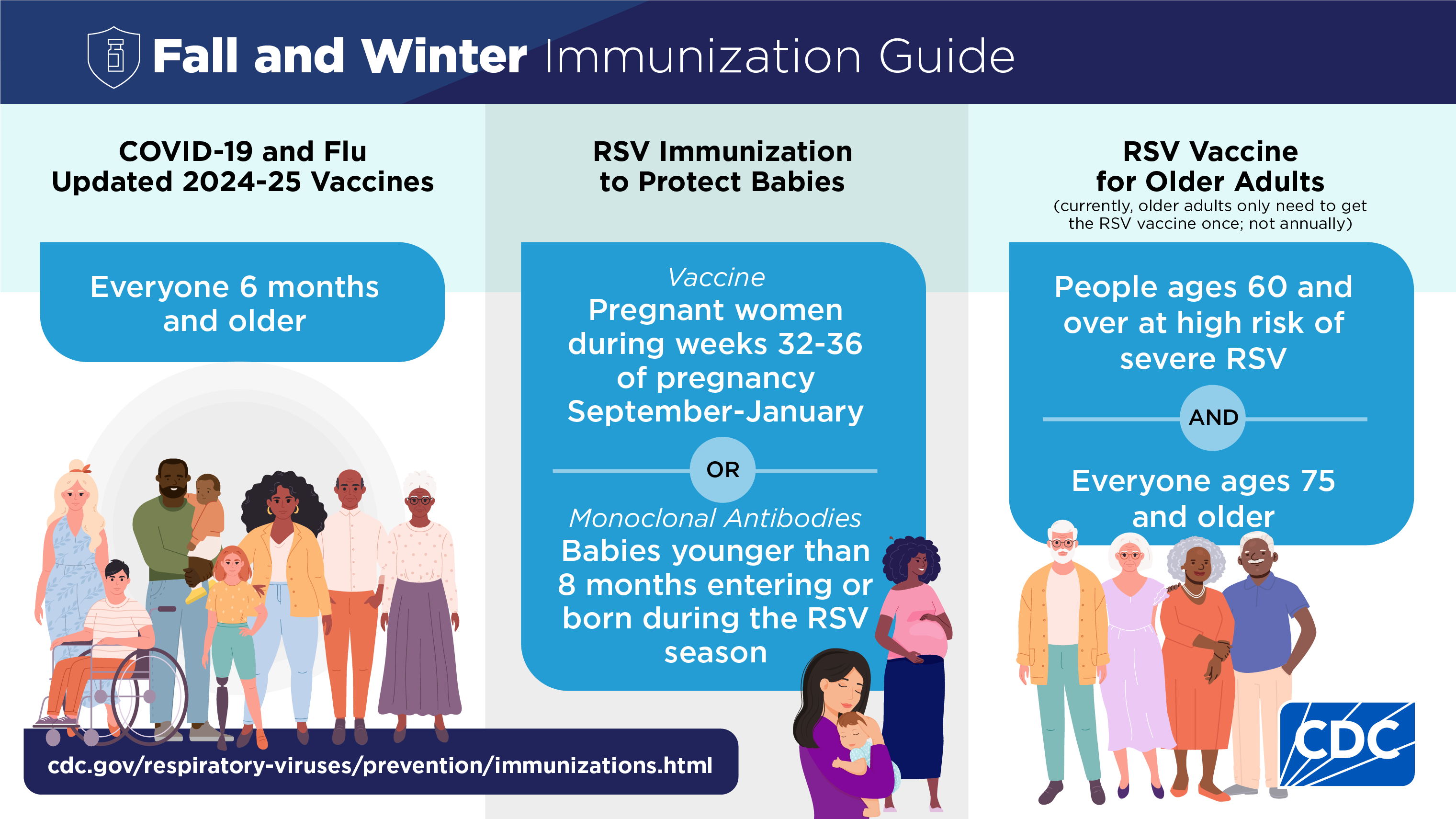
Combined with vaccination against influenza, these measures form a layered approach to prevention. They are particularly important during months when influenza activity is at its highest and respiratory viruses circulate widely.
Takeaway
This new research provides valuable insight into how our immune systems respond differently depending on environmental conditions. By identifying how cold air reduces the effectiveness of extracellular vesicles in the nose, scientists are closer to answering the long-standing question: why is flu season in the winter?
“We hope our findings can lead to therapeutic approaches to bolster the innate immune response inside the nose or increase the number of extracellular vesicles, such as through a nasal spray,” Bleier stated.
Until such treatments become available, practical strategies—such as ensuring adequate vitamin C intake, practicing good hand hygiene, wearing a mask in crowded environments, and keeping the nasal passages warm in cold weather—can help reduce your risk of infection during the winter months.






















Leave a Reply
You must be logged in to post a comment.