
What is Legionnaires’ disease?
Legionnaires’ disease is a serious and potentially life-threatening form of pneumonia, or lung infection. It is caused by bacteria known as Legionella. The organism was first identified following an outbreak at an American Legion convention in Philadelphia in 1976. Individuals who became ill developed a severe pneumonia that was later named Legionnaires’ disease.
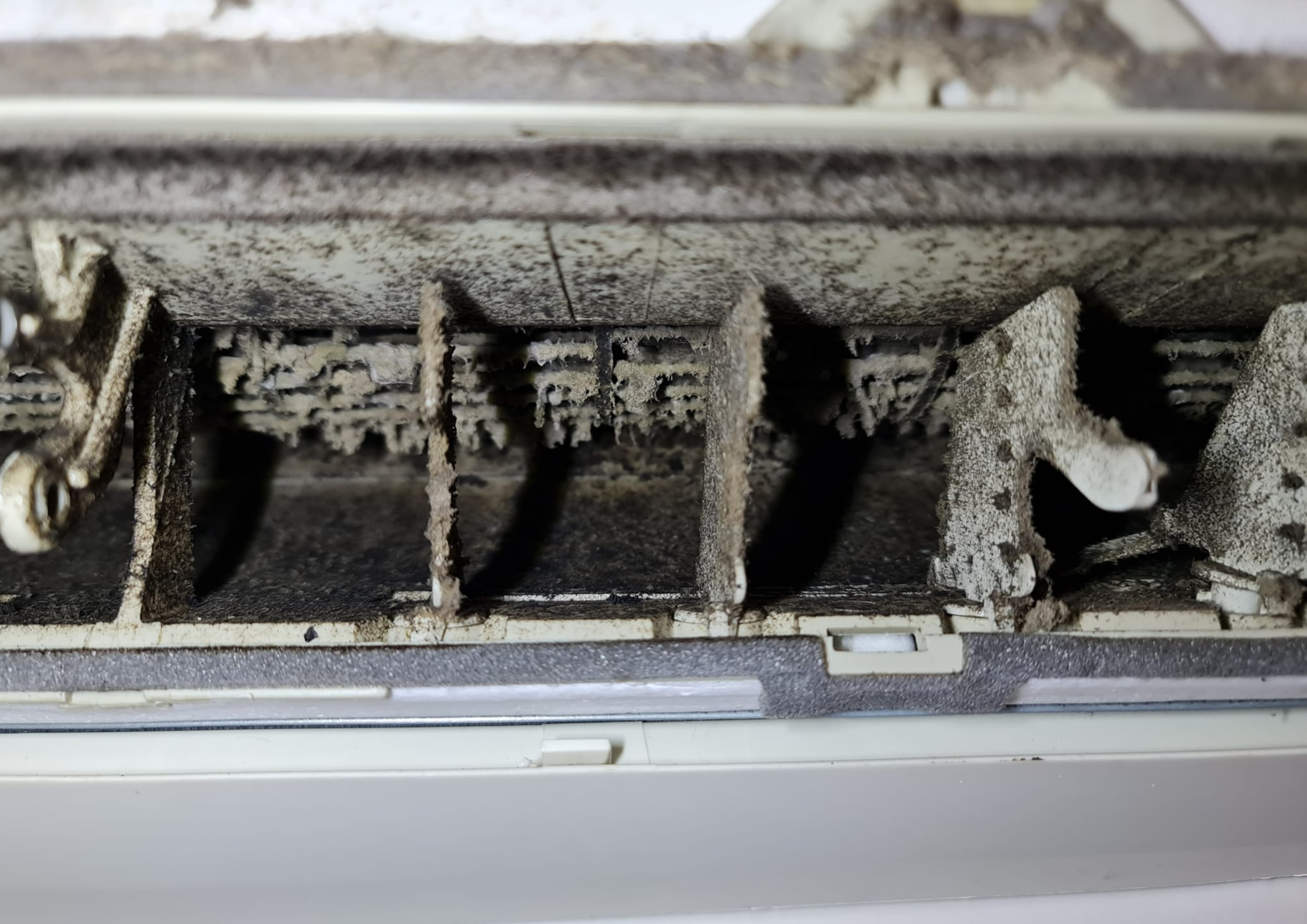
Legionella bacteria grow best in warm water environments. People contract the infection by inhaling tiny airborne water droplets contaminated with Legionella. Documented outbreaks have been traced to complex water systems in hospitals, as well as whirlpool spas in hotels and cruise ships. Because air-conditioning units and cooling towers can harbor stagnant warm water, understanding How to prevent Legionnaires’ disease in air conditioners is an important part of reducing risk in large buildings and public facilities.
In the United States, about 5,000 people are hospitalized each year due to Legionnaires’ disease. However, experts believe the true number of infections is likely higher, as many cases go undiagnosed or unreported. Some infections are mild enough that individuals never seek medical care.
Not everyone exposed to Legionella becomes ill. Still, if symptoms develop, immediate medical evaluation is essential. Legionnaires’ disease can progress quickly and requires prompt treatment. Early diagnosis and therapy significantly improve outcomes.
Legionella bacteria can also cause a less severe illness called Pontiac fever. Unlike Legionnaires’ disease, Pontiac fever does not cause pneumonia and is not life-threatening. Its symptoms resemble those of a mild flu and usually resolve without medical treatment. Together, Pontiac fever and Legionnaires’ disease are referred to as Legionellosis.
What are the symptoms of Legionnaires’ disease?
Symptoms of Legionnaires’ disease typically begin within 2 to 14 days after exposure to the bacteria. This timeframe is known as the incubation period. The clinical signs often resemble those seen in other forms of pneumonia, which can sometimes delay diagnosis.
The most common symptoms include:
- a fever above 104°F
- chills
- a cough, with or without mucus or blood
Additional symptoms may involve:
- shortness of breath
- headaches
- muscle aches
- a loss of appetite
- chest pain
- fatigue
- nausea and vomiting
- diarrhea
- confusion
- seizures
Because these symptoms overlap with other respiratory infections, laboratory testing is necessary to confirm the presence of Legionella.
What causes Legionnaires’ disease?
Legionnaires’ disease develops when Legionella bacteria enter the lungs and trigger pneumonia. These bacteria naturally inhabit freshwater environments but become a health concern when they multiply in man-made water systems.
Legionella commonly thrive in:
- hot tubs
- whirlpool spas
- swimming pools
- cooling systems or air-conditioning units for large buildings, such as hospitals
- public showers
- humidifiers
- fountains
- natural bodies of water, such as lakes, rivers, and creeks
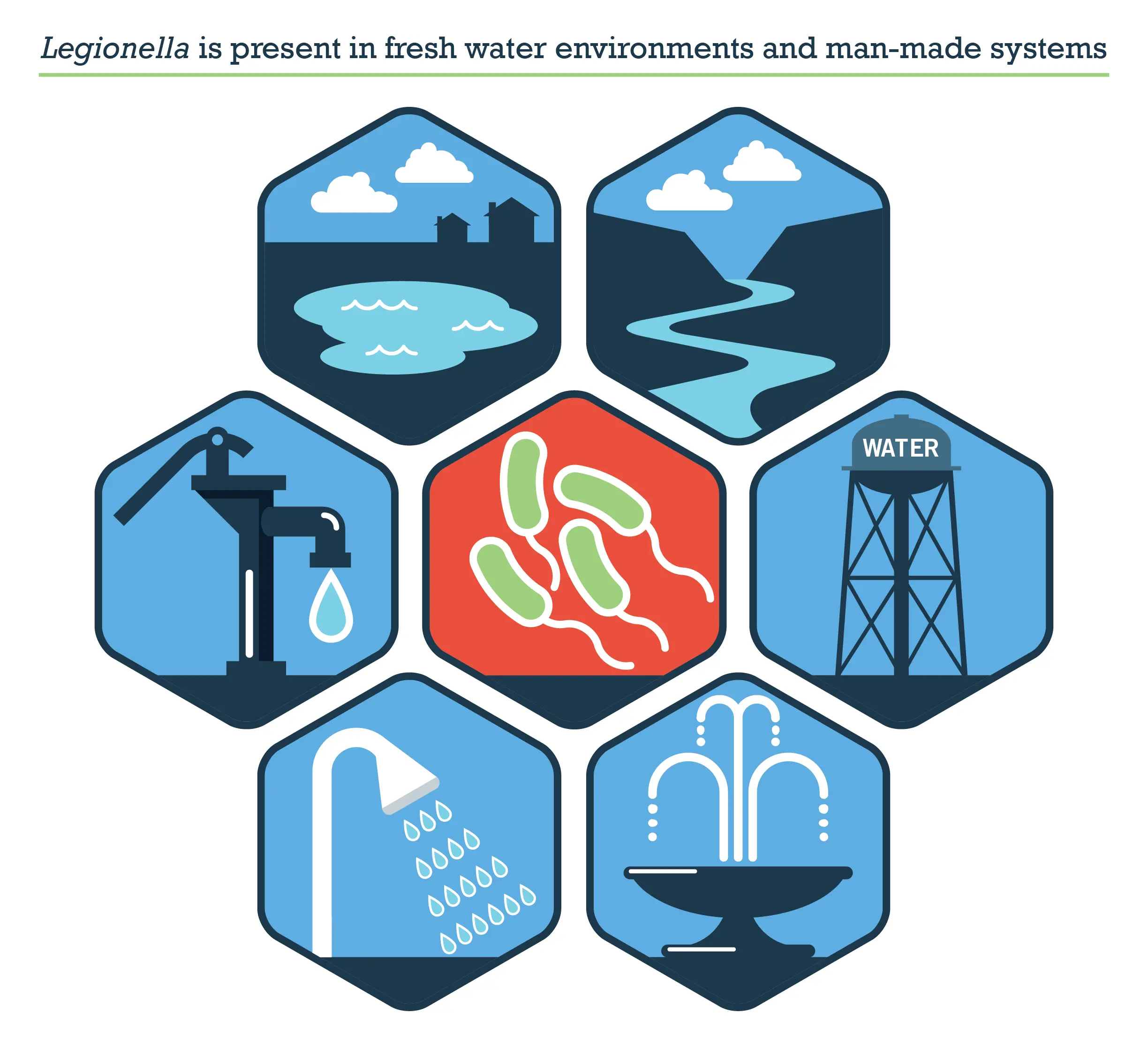
Although the bacteria can exist outdoors, they tend to multiply rapidly in indoor plumbing and ventilation systems that contain warm, stagnant water. People become infected by inhaling contaminated mist or aerosolized droplets. The disease is not transmitted from person to person.
Given the role of cooling towers and HVAC systems in spreading contaminated droplets, learning How to prevent Legionnaires’ disease in air conditioners is crucial for property managers, healthcare facilities, and homeowners alike. Regular inspection, cleaning, and water treatment of these systems can significantly reduce bacterial growth. For broader household protection strategies, see How to prevent Legionnaires’ disease in the home and targeted bathroom guidance in How to prevent Legionnaires’ disease in showers.
Who is at risk for Legionnaires’ disease?
Exposure to contaminated droplets does not always result in illness. However, certain groups face a higher likelihood of developing Legionnaires’ disease. You may be at increased risk if you:
- are over age 50
- have a weakened immune system due to another illness
- have a chronic lung disease
- have cancer
- smoke cigarettes
Older adults, smokers, and individuals with compromised immune systems are particularly vulnerable to severe infection and complications.
What are the complications of Legionnaires’ disease?
If left untreated, Legionnaires’ disease can lead to serious and potentially fatal complications. These may include:
- respiratory failure from pneumonia
- kidney failure, which develops when the kidneys aren’t working correctly
- septic shock, which is when a serious infection leads to organ failure and very low blood pressure
Such complications can progress quickly, especially in those with underlying health conditions or weakened immune defenses. Early antibiotic treatment is essential to reduce these risks.
How is Legionnaires’ disease diagnosed?
To diagnose Legionnaires’ disease, your doctor may order blood or urine tests that detect Legionella antigens. Antigens are substances recognized by the immune system as harmful, prompting a defensive response to fight infection. Identifying these antigens helps confirm the diagnosis.
A sputum sample, or phlegm from the lungs, may also be analyzed to detect the presence of Legionella bacteria. This laboratory testing provides more direct evidence of infection.
Additionally, your doctor may request a chest X-ray. Although an X-ray cannot definitively confirm Legionnaires’ disease, it can reveal the extent and severity of pneumonia in the lungs, guiding treatment decisions.
How is Legionnaires’ disease treated?
Legionnaires’ disease is treated with antibiotics. In most cases, therapy begins as soon as the condition is suspected, even before laboratory confirmation is received. Early initiation of antibiotics greatly lowers the likelihood of complications.
With appropriate treatment, many people make a full recovery. However, hospitalization is often required, particularly for older adults and those with other medical conditions. In the hospital, patients may receive supplemental oxygen or respiratory support if breathing is compromised. Intravenous (IV) fluids and electrolytes may also be administered to correct dehydration and maintain stability.
What’s the outlook after treatment?
The prognosis is generally favorable for otherwise healthy individuals who receive prompt medical care. Recovery time varies depending on how severe the infection was and how quickly antibiotics were started. Earlier treatment is associated with better outcomes and fewer long-term effects.
In elderly individuals or those with weakened immune systems, Legionnaires’ disease can be more severe. These patients face a higher risk of complications and may require longer hospital stays and closer monitoring.
How can Legionnaires’ disease be prevented?
There is currently no vaccine to protect against Legionnaires’ disease. Prevention depends on controlling and eliminating sources of Legionella in water systems. Understanding How to prevent Legionnaires’ disease in air conditioners is especially important in large buildings, where cooling towers and centralized air-conditioning units can disperse contaminated droplets over wide areas.
Key preventive steps include:
- disinfecting and cleaning cooling towers
- regularly draining and cleaning pools and hot tubs
- using chemical treatments, such as chlorine, in pools and spas
- keeping hot water systems above 140°F and cold water systems below 68°F
Routine maintenance of HVAC systems, including inspection of filters, drainage pans, and cooling coils, can help limit bacterial growth. Ensuring proper water temperature control and preventing stagnation are central strategies in environmental infection control.
Avoiding smoking can also meaningfully reduce your risk. Smokers are significantly more likely to develop Legionnaires’ disease after exposure to Legionella bacteria, as smoking damages the lungs and weakens natural respiratory defenses.























Leave a Reply
You must be logged in to post a comment.