

When it comes to your airways, smoking impacts more than just your lungs. It’s a habit that can impair your immune defenses and irritate the throat, factors that increase susceptibility to respiratory infections such as strep throat.
Strep throat is a contagious illness caused by group A streptococcus bacteria, also called Streptococcus pyogenes. It’s a frequent reason for acute (short-term) sore throat, responsible for around 15% of acute sore throats in adults and 30% in children.
If you smoke or are exposed to secondhand smoke, your likelihood of catching strep throat and other respiratory infections may be higher.
Regular smoke exposure can undermine your immune system, inflame your respiratory tract, and impair other natural defenses, such as cilia function.
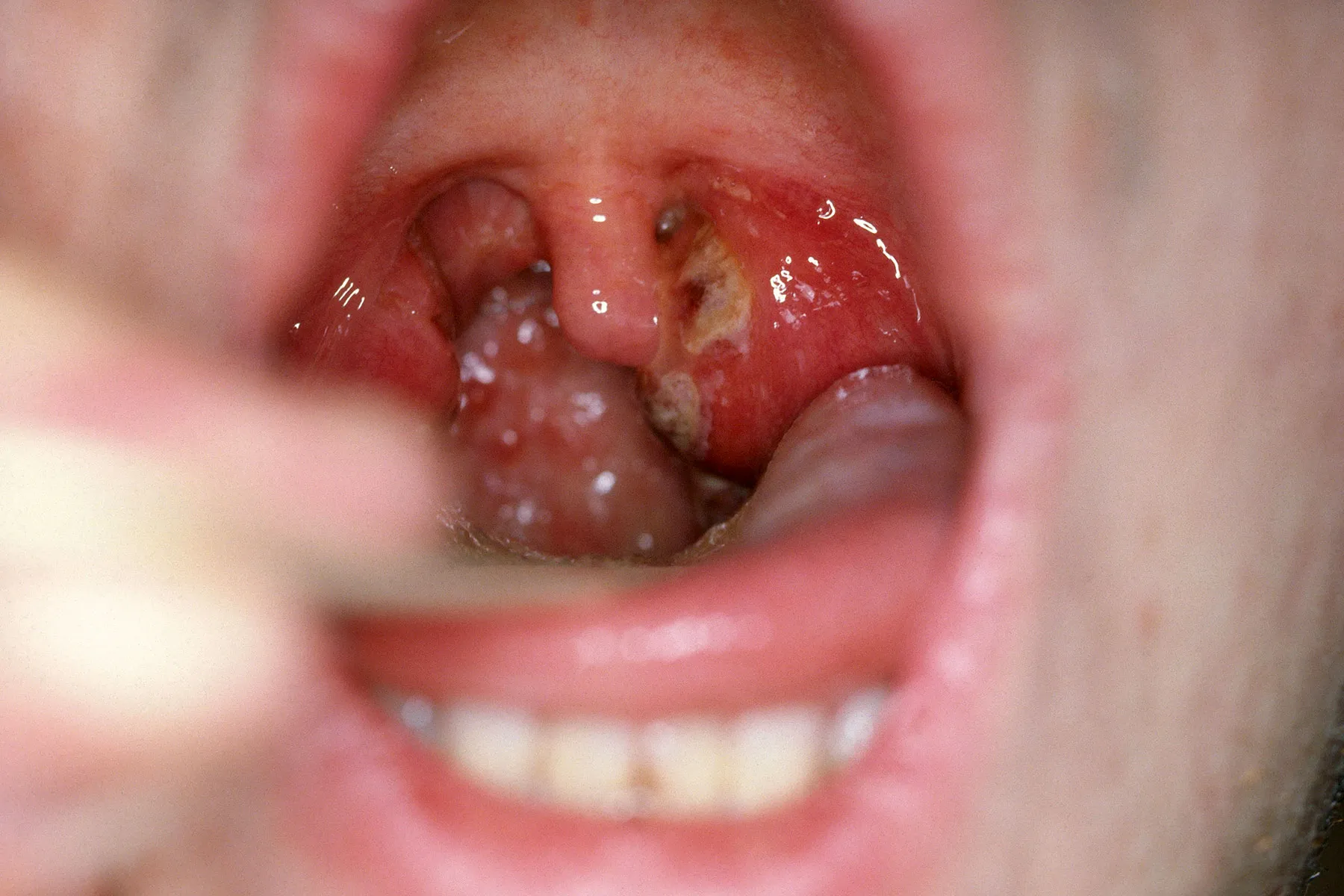
Does smoking influence your risk of getting strep throat?
It’s well documented that smoking raises your risk for respiratory infections and infections in general.
Strep throat affects the throat and tonsils and is classified as an upper respiratory tract infection, which includes the nose, throat, and sinuses.
A 2020 narrative review found that smoking increases both the risk and recurrence of upper respiratory tract infections and may prolong the duration of symptoms.
The threat to your throat isn’t limited to conventional cigarettes. Studies indicate that vaping and e-cigarette use may likewise weaken your respiratory system’s capacity to fend off viruses and bacteria.
Why does smoking raise your chance of respiratory infections?
The relationship between smoking and respiratory infections is multifaceted.
It stems from how smoking alters immune responses, social behaviors tied to smoking, and structural and functional changes in tissues caused by smoke exposure.
Compromised immune defenses
Smoking diminishes your body’s immune defenses, the natural protection against invading pathogens such as viruses and bacteria.
It does this by suppressing the activity of immune cells that normally eliminate invaders and by hampering antibody production, the proteins that help the body resist future infections.
With a weakened immune system, you’re more prone to develop strep throat when exposed to the bacteria, and symptoms may persist longer because your body cannot effectively eliminate the infection.
An environment that favors infection
Smoking may also make it easier for group A streptococcus to take hold by creating an environment in the throat that favors infection.
Smoke is an irritant. According to the National Cancer Institute, it contains over 7,000 chemicals, at least 250 of which are known to be harmful.
These chemicals can damage the epithelial barrier in your throat. Over time, such injury can reduce your cough reflex strength, trigger excessive mucus production, and impair cilia — the tiny hair-like structures in the upper airway that trap pathogens and particles.
All of these consequences can raise infection risk.
Reduced cough strength hampers your ability to clear irritants from your airways, while excessive mucus can trap bacteria and viruses in the throat.
If cilia are paralyzed, particles and infectious agents can move freely through the respiratory tract.
Greater chance of direct transmission
Sharing cigarettes is an often-overlooked way smoking may boost the risk of upper respiratory infections.
A 2022 cross-sectional survey from China found that over half of respondents had been handed a shared cigarette in the prior 12 months, a practice used to greet guests, socialize at work, or show courtesy.
Sharing cigarettes, vapes, or e-cigarettes can expose you directly to infectious respiratory droplets if someone has strep throat.
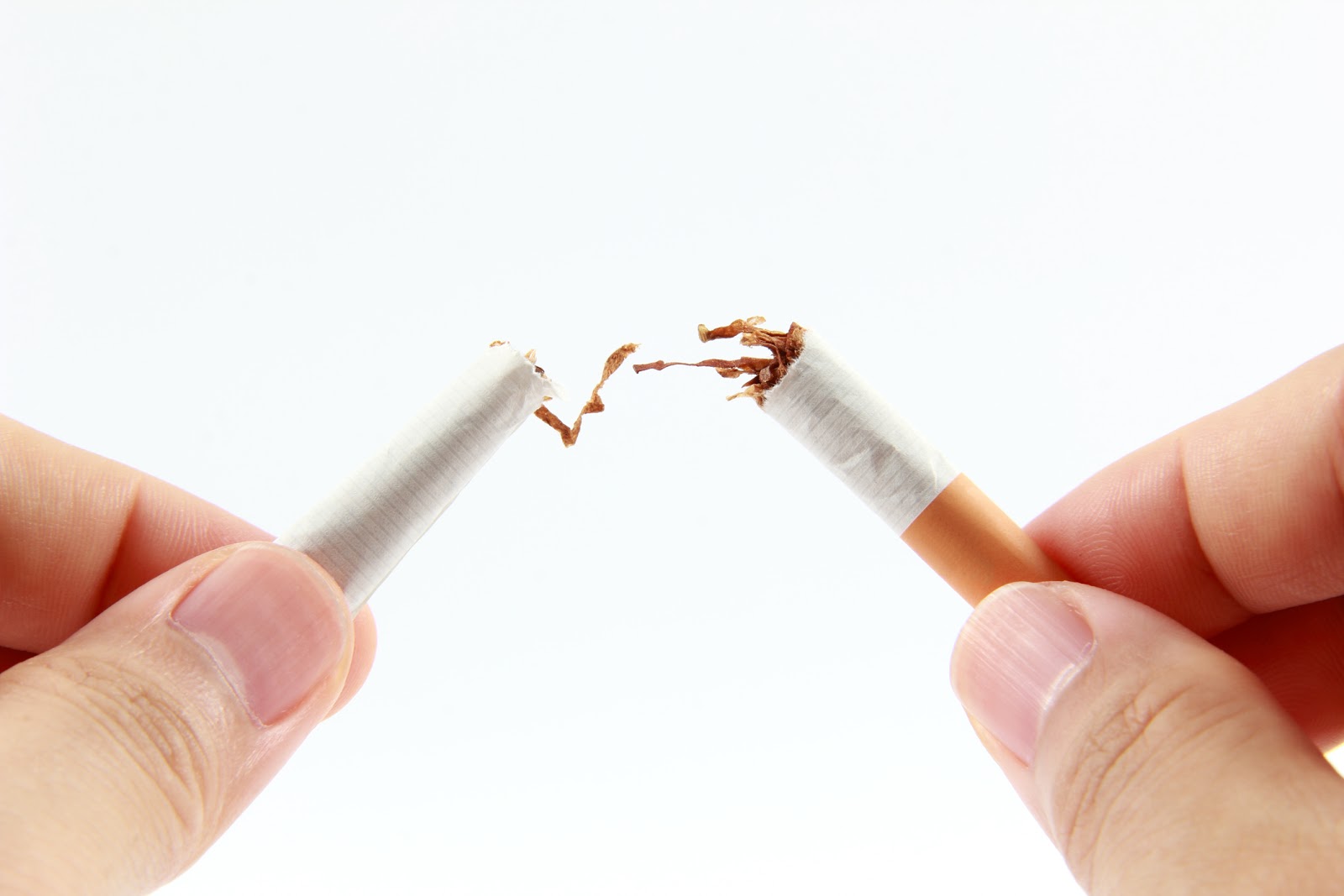
Does quitting smoking lower your risk of strep throat?
Stopping smoking activities can lower your risk of strep throat and other infections.
Quitting also improves overall lung function, slows progression of chronic lung diseases, and helps control respiratory symptoms like coughing and wheezing.
If you’re ready to change your relationship with smoking, support is available at any time by contacting the SAMHSA National Helpline at 1-800-662-4357. A representative can speak with you confidentially and connect you with local resources.
You can also reach smoking cessation specialists by dialing 1-800-QUIT-NOW (1-800-784-8669) or texting QUITNOW to 333888.
The bottom line
Smoking can raise your likelihood of developing strep throat and other respiratory infections.
In addition to weakening immune defenses, smoking directly harms throat tissues, causing irritation that disrupts normal function and the ability to clear viruses and bacteria.
If you notice recurrent infections or that illnesses last longer, it may be related to smoking, vaping, e-cigarette use, or exposure to tobacco smoke. Reducing or quitting smoking can cut your infection risk and improve lung health.
For more on how smoking affects acid reflux and throat irritation, see smoking and gerd. For natural remedies that may soothe throat discomfort, consider reading about essential oils for sore throat, and if dental pain is a concern, this guide on garlic for toothache might be helpful.





















Leave a Reply
You must be logged in to post a comment.