

Legs that feel weighted, stiff, sluggish, or unusually fatigued can stem from a wide range of underlying issues. If One leg feels heavy or both legs seem difficult to lift, identifying the root cause is the first and most important step toward effective relief.
When One leg feels heavy, it may seem as though you’re dragging around a 5-pound bag of flour. This sensation can be unsettling and may interfere with daily activities such as walking, climbing stairs, or exercising. A number of medical conditions, including varicose veins and peripheral artery disease, can contribute to heavy-feeling legs.

Continue reading to better understand what may be behind legs that feel heavy and what you can do to manage and relieve this symptom safely.
Potential causes
Heavy legs can develop due to several different health conditions, ranging from circulation problems to neurological disorders.
Varicose veins
Varicose veins are enlarged veins — most commonly affecting the legs and feet — that appear swollen, twisted, and knotted.
Varicose veins are more likely to develop:
- with advancing age
- during pregnancy, due to hormonal fluctuations and increased uterine pressure
- during other hormonal changes, such as menopause
- in people with obesity
- in individuals with a family history of varicose veins
- in those whose occupations involve prolonged standing or sitting, which can impair circulation
These veins enlarge when they gradually lose elasticity. The valves inside them can weaken, allowing blood that should circulate back to the heart to collect in the legs instead. This pooling of blood may cause sensations of heaviness, aching, and fatigue.

Up to 73% of people around the world have varicose veins. They are more common in women than in men. If One leg feels heavy along with visible bulging veins, varicose veins may be contributing to your symptoms.
Peripheral artery disease (PAD)
Peripheral artery disease (PAD) is a type of cardiovascular disease that develops when fatty deposits accumulate in the walls of arteries, causing them to narrow.
Although PAD can affect arteries throughout the body, it most frequently impacts the legs. Reduced blood flow can lead to legs that feel tired, crampy, painful, or unusually heavy. In fact, these symptoms are among the first signs of PAD.
The same risk factors responsible for plaque buildup in coronary arteries also apply to the arteries in your legs. The primary risk factors for PAD include:
- high cholesterol
- smoking
- diabetes
- high blood pressure
According to the National Heart, Lung, and Blood Institute, more than 8 million U.S. people over age 40 have PAD. If One leg feels heavy in combination with leg pain during walking (claudication), it’s important to seek medical evaluation.
Overtraining syndrome (OTS)
Athletes and highly active individuals often push themselves to improve endurance and strength. However, excessive training without adequate recovery time can lead to overtraining syndrome (OTS).
When you consistently exceed your body’s ability to recover, muscles do not have sufficient time to repair and rebuild. As a result, persistent fatigue, reduced performance, and heavy legs can occur. Runners and cyclists, in particular, frequently report that One leg feels heavy or both legs feel unusually fatigued during workouts.
Allowing for structured rest days and adjusting training intensity are critical for preventing and managing OTS.
Lumbar spinal stenosis
Lumbar spinal stenosis refers to a narrowing of the spinal column in the lower back.
As the spinal canal narrows, the vertebrae (spinal bones) and intervertebral discs (which cushion and absorb impact) can compress nerves. While this often causes lower back pain, it may also lead to leg weakness, numbness, tingling, or a heavy sensation in one or both legs.
Risk factors include:
- Smoking: Chemicals in cigarettes can restrict blood vessels and contribute to spinal changes.
- Age: Natural degenerative changes in the spine occur over time.
- Obesity: Excess body weight increases stress on the spine and surrounding structures.
If One leg feels heavy along with back discomfort or radiating pain, lumbar spinal stenosis may be involved.
Restless legs syndrome (RLS)
Restless legs syndrome (RLS) is marked by uncomfortable sensations in the legs, often described as aching, throbbing, pulling, or a “crawling” feeling beneath the skin. These symptoms typically occur during rest and improve with movement.
The exact cause of RLS remains unclear. However, researchers believe there may be a genetic component and possible dysfunction in how the brain processes movement signals.
You may be at greater risk of developing RLS if you:
- smoke or drink alcohol
- take certain medications that alter brain chemicals
- take cold medications
- are pregnant
- have nerve damage
There is also a strong association between fibromyalgia — a condition characterized by chronic muscle pain and fatigue — and RLS. Research suggests that people with fibromyalgia are more likely to experience restless legs syndrome.
Common symptoms
Individuals who report heavy legs may describe the sensation as:
- aching
- fatigued
- cramping
- stiffness
Heavy legs may also appear:
- Swollen: Often related to circulatory issues or fluid retention.
- Bumpy: Frequently associated with varicose veins.
- With sores that are slow to heal: Adequate blood flow is essential for wound healing, so poor circulation can delay recovery.
- Pale or bluish: Changes in skin color are commonly linked to impaired circulation.
When to seek help
Most people experience heavy legs occasionally, especially after prolonged sitting, standing, or intense physical activity.
However, if One leg feels heavy persistently, worsens over time, or is accompanied by pain, swelling, skin discoloration, numbness, or sores, consult a healthcare professional. A medical provider can review your history, assess your symptoms, and order appropriate tests to determine the cause.
For instance, if PAD is suspected, your clinician may recommend an ultrasound to evaluate blood flow in the arteries supplying your legs.
How to get relief at home
Depending on the cause, there are several strategies that may help reduce discomfort and improve circulation. For more detailed guidance, you can explore Treatment for heaviness in legs to better understand available options.
- Work to quit smoking: Smoking increases the risk of multiple conditions associated with heavy legs, including PAD and vascular disease. Seek professional support if needed.
- Schedule exercise recovery: Incorporate rest days into your routine to allow muscles adequate time to repair.
- Elevate your legs: Raising your legs approximately 6 to 12 inches above heart level can help reduce pooling of blood and fluid. Gentle massage may further support circulation.
- Lose weight, if needed: Obesity contributes to vascular and spinal conditions that may cause heavy legs. A doctor or dietitian can provide structured guidance.
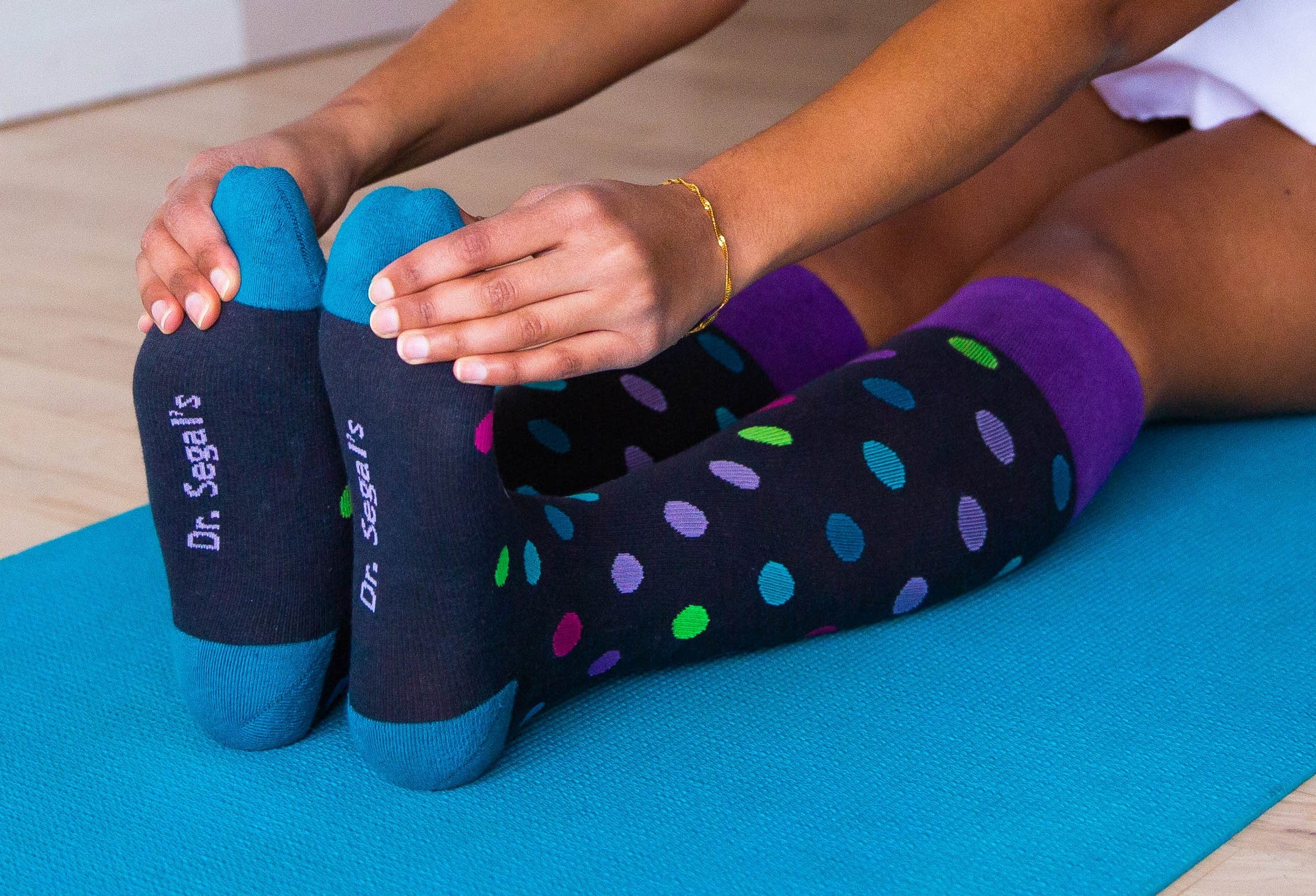
- Wear compression garments: Compression stockings or socks may promote healthier blood flow in the legs.
- Stay physically active: Regular movement supports weight management, lowers cholesterol, and enhances circulation. Tailor your activity level to your fitness status and consult a healthcare provider for personalized recommendations.
The takeaway
Because heavy legs can signal underlying medical conditions, seeking appropriate evaluation is essential. Once the cause of why One leg feels heavy is identified and a targeted treatment plan is developed, most people can effectively manage symptoms and improve their overall leg health.





















Leave a Reply
You must be logged in to post a comment.