
The Fast Facts
- Following a balanced diet, staying physically active, and prioritizing quality sleep are natural strategies to support steady energy levels.
- Certain supplements, including ashwagandha, iron, and creatine, may help enhance the body’s energy production processes.
- Options such as Needed CoQ10, AG1 greens powder, and Ritual Melatonin may assist in supporting or maintaining energy.
Persistent fatigue can affect both your physical stamina and mental clarity. While Vitamins for tiredness and depression are often searched for as potential solutions, foundational habits remain essential. Eating nutrient-dense meals, engaging in regular movement, and getting restorative sleep are the most effective ways to sustain natural energy levels.
Still, daily stress, demanding schedules, and underlying health issues can make these habits difficult to maintain consistently.
In such cases, targeted dietary supplements may offer additional support for energy metabolism, cognitive performance, and even mood balance.
Below are 11 natural vitamins and supplements that may help promote improved energy and reduced fatigue.

Quick look at the best vitamins and supplements for energy
1. Ashwagandha
Ashwagandha is a key herb in Indian Ayurveda, a traditional system of alternative medicine centered on holistic healing.
Although study results vary, evidence suggests this herb may help enhance energy by supporting better sleep quality and lowering stress levels.
A 2021 systematic review examined the therapeutic effects of ashwagandha on stress, anxiety, sexual function, cognitive performance, fatigue, and more. Findings were generally positive, with the strongest support for stress and anxiety reduction.
The same review reported potential benefits for reducing sleeplessness, fatigue, and cortisol, the primary stress hormone.
The National Institutes of Health (NIH) highlights several studies exploring its possible effects. In one small study, participants self-reported improvements in sleep, mental clarity, and overall energy.
While ashwagandha shows promise for mental sharpness, stress management, and fatigue reduction, many studies involve small sample sizes, and standardized dosage guidance remains unclear.
Before starting ashwagandha, consult a healthcare professional to determine whether it’s appropriate for your individual health needs.
Best for ashwagandha
Nutricost KSM-66 Ashwagandha
Nutricost KSM-66 Ashwagandha
- Form:capsule
- Dose:1 capsule per day
- Certifications:GMP compliant, FDA-registered facility, third-party tested
- Number of servings:30 or 60 per bottle
HealthEH’s review
These Ashwagandha Root Capsules provide 600 milligrams (mg) of ashwagandha extract per serving.
Each bottle contains 60 servings, offering a longer-term supplementation option.
The capsules are gluten-free and suitable for vegetarians, making them appropriate for many dietary preferences.
Nutricost produces this supplement in an NSF certified facility and adheres to current good manufacturing practices (CGMPs), reflecting strict quality standards.
Pros & cons
- third-party tested
- manufactured in an NSF certified facility
- gluten-free
- according to the company, 600 mg may be a high dose, which may not suit everyone
2. Rhodiola rosea
Rhodiola rosea is an herb that grows in certain cold, mountainous areas and is classified as an adaptogen, meaning it may enhance the body’s resistance to stress.
The NIH notes that individuals commonly use rhodiola to improve stamina, strength, energy, and mental performance. Some evidence suggests it may also ease stress and mood-related symptoms such as depression and anxiety.
A 2017 study involving 118 participants with stress-related burnout found that 400 mg daily for 12 weeks improved stress and depression-related symptoms.
Earlier reviews from 2011 and 2012 indicated that rhodiola may reduce physical and mental fatigue with minimal safety concerns, though more robust human trials are still needed.
In a 12-week comparison study, rhodiola reduced symptoms of depression, though less effectively than sertraline (Zoloft). However, rhodiola was better tolerated and caused fewer side effects.
3. Vitamin B12
Alongside other B vitamins, vitamin B12 helps convert food into usable cellular energy.
It also supports nerve health and red blood cell formation and prevents a type of anemia that can cause weakness and fatigue.
Vitamin B12 is naturally present in animal-based foods like meat, fish, and dairy, and many cereals are fortified to help people meet daily requirements.
Certain populations face a higher risk of deficiency, including older adults, those following plant-based diets, and individuals with gastrointestinal disorders such as celiac disease or Crohn’s disease.
For people with a confirmed deficiency, supplementation may improve energy levels. However, there is no evidence that B12 boosts energy in those with sufficient levels.
Because B vitamins also contribute to nerve and muscle function, they are sometimes considered among Vitamins for tiredness and depression, particularly when fatigue overlaps with low mood.
:max_bytes(150000):strip_icc()/Vitamin-for-depression-1065211-V1-d73bac6ac4624999a64c3cb7f159eda8.png)
4. Iron
Iron is essential for producing hemoglobin, the protein in red blood cells that carries oxygen throughout the body.
Without adequate levels of iron, oxygen delivery declines, potentially leading to iron deficiency anemia and symptoms such as fatigue and weakness.
Risk factors include low dietary intake, blood loss (including heavy menstrual periods), pregnancy, and certain absorption disorders.
Correcting a deficiency with supplementation may reduce fatigue. However, excessive iron intake carries possible health risks, so medical supervision is important.
5. Melatonin
Melatonin is a hormone that regulates the sleep-wake cycle. Levels naturally rise in the evening and fall in the morning.
Supplementation may help manage insomnia, which affects about 10% of adults, with 20% experiencing occasional symptoms.
Poor sleep can significantly worsen daytime fatigue, mood changes, and cognitive performance. For those exploring Vitamins for tiredness and depression, improving sleep quality is often a foundational step.
A 2021 systematic review found melatonin improved sleep quality. It may also help reduce fatigue in people with chronic fatigue syndrome.
6. CoQ10
CoQ10 (coenzyme Q10) is naturally present in the body in forms such as ubiquinone and ubiquinol.
Cells rely on CoQ10 for energy production and protection against oxidative damage.
Declining levels may impair cellular energy production and contribute to fatigue. A 2022 review showed supplementation significantly reduced fatigue at doses of 50–600 mg daily for up to 6 months.
CoQ10 is generally considered safe but may interact with certain medications, so speak with your healthcare provider before use.
7. Creatine
Creatine is found naturally in red meat, pork, poultry, and fish and functions as a rapid energy source.
It helps regenerate adenosine triphosphate (ATP), the body’s primary energy molecule, making it especially useful for short bursts of high-intensity activity.
Research indicates creatine may increase lean muscle mass and improve strength, particularly in older adults, partly due to enhanced training capacity.
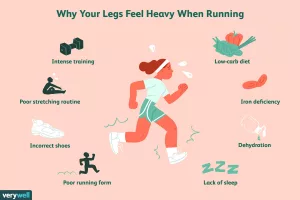
Improved muscular endurance may also complement strategies like Vitamins for tired legs when fatigue is exercise-related.
8. Citrulline
L-citrulline supports nitric oxide production, which promotes vasodilation and improved blood flow.
Enhanced circulation increases oxygen and nutrient delivery, potentially supporting energy production and exercise endurance.
Research suggests citrulline may decrease fatigue associated with intense workouts and improve recovery times.
9. Beetroot powder
Beetroot powder is rich in nitrate, which converts to nitric oxide in the body.
This mechanism may improve blood flow, exercise performance, and potentially lower blood pressure.
Some studies indicate beetroot supplementation increases time to exhaustion during exercise. Temporary red discoloration of urine or stool may occur but is harmless.
10. Tyrosine
Tyrosine is an amino acid involved in producing neurotransmitters that influence mood and cognition.
Stressful or demanding situations may deplete these neurotransmitters, contributing to reduced focus and energy.
Some research shows tyrosine supplementation may enhance cognitive performance under stress, though benefits appear most relevant for individuals with depleted stores.
11. Caffeine with L-theanine
Caffeine is widely consumed for its stimulating effects, but it may cause side effects such as anxiety or insomnia.
L-theanine, an amino acid found in tea, may promote relaxation without sedation.
Research suggests combining caffeine with L-theanine can enhance alertness and cognitive function while minimizing unwanted effects.
Comparison of the best vitamins for energy
| Product | Recommended dose | Third-party tested? | Ingredients |
|---|---|---|---|
| Nutricost Ashwagandha Root Capsules | 1 capsule | yes | organic KSM-66 ashwagandha extract,black pepper extract |
| Seed DM | 1 capsule | yes | 20+ ingredients, including vitamins, minerals, probiotics and prebiotics. Includes vitamin B12 and a Cellular Energy Complex. |
| Thorne Iron Bisglycinate | 1 capsule | yes | iron bisglycinate, hypromellose capsule, leucine, microcrystalline cellulose, silicon dioxide |
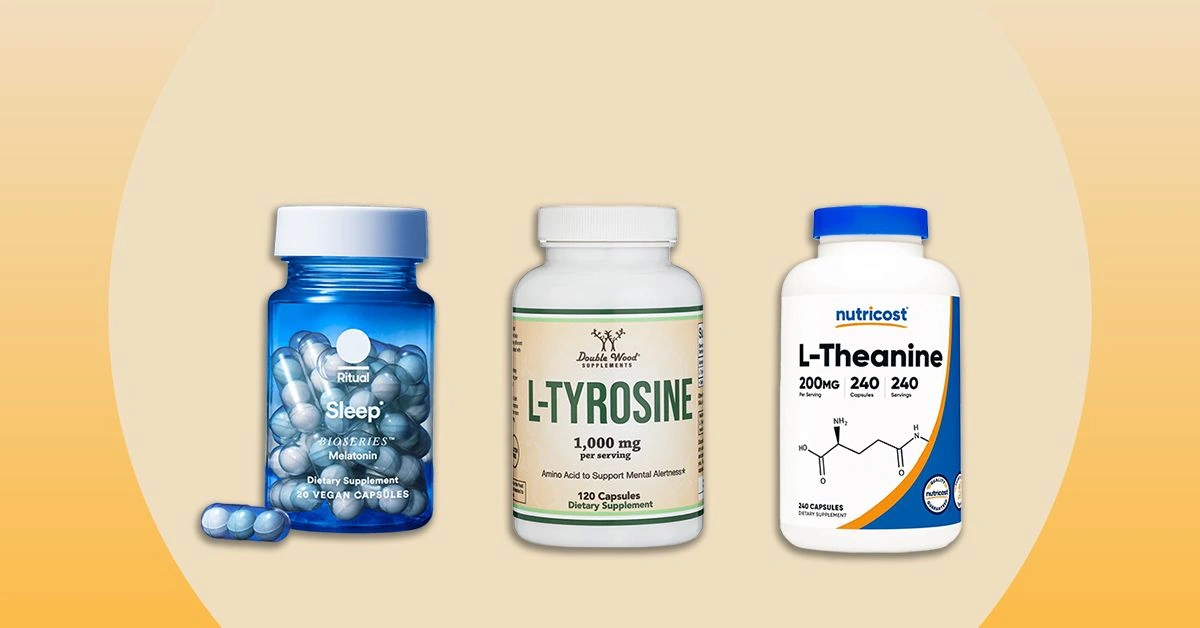
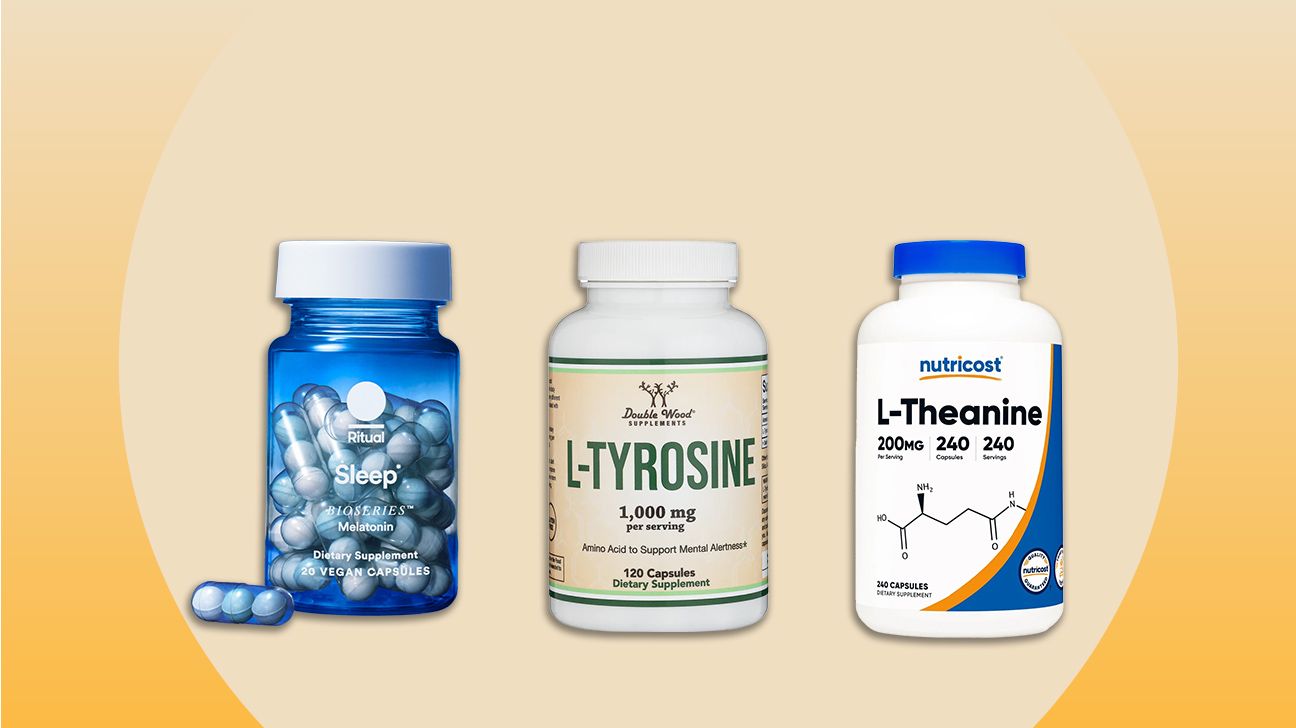
| Ritual Sleep BioSeries Melatonin | 1 capsule | yes | melatonin, cellulose, hypromellose, vegetable-based tablet coating, ascorbyl palmitate, oat fiber, psyllium seed husk, silica, spirulina extract (for color) |
| Needed CoQ10 | 1 capsule, up to two times per day | yes | CoQ10, medium chain triglycerides, gelatin, ascorbyl palmitate, glycerin, purified water, sunflower lecithin, sunflower oil, beeswax, and annatto extract |
| Thorne Creatine | 1 scoop | yes | Creatine monohydrate |
| AG1 | 1 scoop | yes | 70+ ingredients, including vitamins, minerals, botanicals, and bacterial cultures. |
| Double Wood L-Tyrosine Supplement | 2 capsules | yes | L-tyrosine, hypromellose (capsule), Rice flour, silica, magnesium stearate |
| Nutricost L-Theanine Capsules | 1 capsule | yes | L-theanine, gelatin capsule, rice flour, magnesium stearate (vegetable source), microcrystalline cellulose, silica |
How we chose vitamins for energy
All featured brands undergo HealthEH’s thorough review process. We evaluate ingredient quality, third-party testing, consumer feedback, and regulatory compliance.
Our goal is to highlight reputable products that may help individuals seeking support for fatigue, whether related to exercise, stress, or broader concerns such as Supplements for weak legs in elderly.
The bottom line
Daily demands can gradually deplete your physical and mental energy.
Balanced nutrition, restorative sleep, and consistent physical activity remain the cornerstones of sustained vitality.
However, targeted supplementation may offer additional support in specific cases, particularly for individuals with confirmed deficiencies or increased physiological demands.
Before starting any supplement, consult a qualified healthcare professional to ensure safety and appropriateness for your individual health profile.




















Leave a Reply
You must be logged in to post a comment.