

Eating certain deeply pigmented foods can sometimes lead to Black stool without blood. However, dark or tarry bowel movements may also signal a medical condition involving bleeding in the upper digestive tract.
Noticing a change in your stool color when you look into the toilet can feel unsettling. While it’s natural to worry, black-colored poop does not always indicate a serious problem.
If your bowel movements appear black and sticky, it could be related to a more concerning issue such as bleeding in the gastrointestinal tract. On the other hand, it may simply reflect recent dietary choices or supplements. Understanding the difference between harmless causes and conditions that require medical care is essential.
Below, we explore why your stool may appear darker than usual, what Black stool without blood might mean, and when it’s important to consult a healthcare professional.
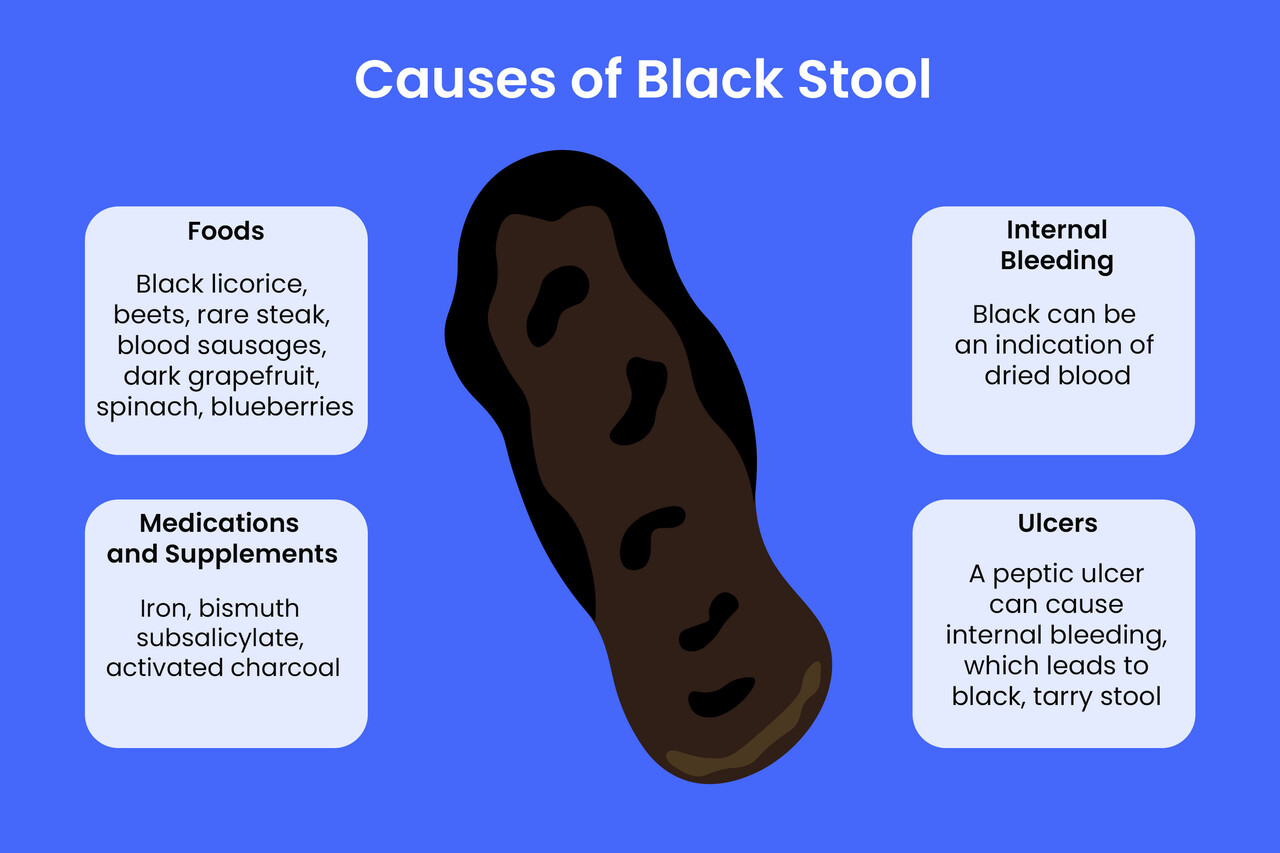
What causes black, tarry stools?
Dark-colored foods
In many cases, the explanation is straightforward. If your stool has shifted from its typical brown shade to black, consider what you’ve eaten recently. This is particularly likely if you have no additional digestive symptoms such as pain, nausea, or changes in bowel habits.
Foods known to darken stool include:
- black licorice
- blueberries
- dark chocolate cookies
Highly pigmented foods can temporarily alter stool color as they pass through the digestive system. If you’re unsure whether your symptoms are diet-related, you may want to review What causes dark poop in adults? for a broader overview of potential reasons.
Iron supplements
Iron supplements are frequently prescribed for anemia, a condition in which the blood contains a lower-than-normal number of red blood cells, often leading to fatigue and weakness. While effective, these supplements can cause side effects, including:
- nausea
- constipation
- black stools
Iron can react within the gastrointestinal tract, resulting in darker stool that may resemble Black stool without blood. If side effects become bothersome, speak with your doctor. Various formulations of iron supplements are available, and some may be gentler on your stomach.
Medicines containing bismuth
Medications that contain bismuth subsalicylate — such as Pepto-Bismol — are another common reason for black-colored stools. Excessive or prolonged use of bismuth subsalicylate can also cause temporary darkening of the tongue or teeth. This discoloration is typically harmless and resolves after stopping the medication.
Ulcers
Ulcers are open sores that develop along the lining of the digestive tract. Although they are not always painful, they may produce symptoms such as:
- a burning sensation in the stomach
- indigestion
- heartburn
- a general feeling of being unwell
When an ulcer begins to bleed, it can lead to more serious signs, including black, sticky, tarry stools. The dark color occurs because blood mixes with digestive fluids as it moves through the upper GI tract. If you notice these stool changes along with the symptoms listed above, contact your doctor as soon as possible.
Upper gastrointestinal (GI) bleeding
Beyond ulcers, several other conditions may trigger bleeding in the upper GI tract, resulting in black, tarry bowel movements. Stools caused by upper GI bleeding are often referred to as melena. Conditions associated with this include:

- gastritis
- esophagitis
- Mallory-Weiss syndrome
- esophageal or stomach cancer
These disorders are typically serious and often present with additional gastrointestinal symptoms. If you have persistent black stools for several days accompanied by abdominal pain, vomiting, weakness, or lightheadedness, seek medical care immediately. Reviewing Pictures of black poop in adults may help you better understand how melena appears compared to stool darkened by food or supplements.
Esophageal varices
The esophagus is the tube that transports food and liquids from the mouth to the stomach. In certain conditions — most commonly cirrhosis or advanced liver disease — veins within the esophagus can become enlarged. These swollen veins, known as esophageal varices, may rupture and cause either red, bloody stools or black, tarry stools.
If you have an existing liver condition and begin to notice black stools along with any of the following symptoms, contact your doctor immediately:
- muscle cramps
- stomach discomfort
- rapid weight loss
- jaundice
How is the cause of black stools diagnosed?
If your symptoms are not severe enough to require emergency care, your doctor will typically begin by reviewing your medical history and performing a physical examination. This helps narrow down whether the likely cause is dietary, medication-related, or due to a gastrointestinal disorder.
Diagnostic testing may include blood work to check for anemia or signs of infection, as well as a stool sample to detect hidden blood. Imaging tests such as X-rays or other scans may be recommended to evaluate the digestive tract.
Your physician may also arrange a gastroscopy or colonoscopy to directly examine your gastrointestinal lining.
A colonoscopy is generally performed under sedation. During the procedure, a thin, flexible tube with a camera is inserted through the anus into the rectum, allowing visualization of the colon and identification of potential bleeding sources or abnormalities.
A gastroscopy follows a similar approach but focuses on the esophagus, stomach, and small intestine. In this case, the flexible tube is gently passed through the throat instead of the rectum.
If you need help finding a primary care doctor, then check out our FindCare tool here.
What are the treatment options for black stools?
Management of black stools depends entirely on the underlying cause.
If dietary factors are responsible — such as consuming large amounts of blueberries, black licorice, or other dark foods — reducing intake for several days may restore your stool’s usual color.
Likewise, if iron supplements or medicines containing bismuth subsalicylate are contributing to Black stool without blood, discuss safe alternatives or dosage adjustments with your healthcare provider before making changes.
Ulcers vary in severity and cause. Mild cases are often treated with:
- proton pump inhibitors (PPIs), which reduce stomach acid and promote healing
- H2 receptor antagonists, which also decrease acid production
- over-the-counter antacids
- reduced use of nonsteroidal anti-inflammatory drugs (NSAIDs)
More severe or actively bleeding ulcers may require endoscopic procedures or surgery.
If black stools stem from upper GI bleeding due to conditions such as gastritis or esophageal varices, treatment will depend on how significant the bleeding is and the overall health of the patient. Hospitalization, medications, or procedural interventions may be necessary in more critical situations.
Do not delay medical evaluation if black, tarry stools occur alongside persistent abdominal pain, vomiting, weakness, or other alarming symptoms. Prompt assessment can help prevent complications.
Takeaway
Black stools may result from various factors, ranging from eating black licorice to experiencing bleeding within the gastrointestinal tract. Identifying whether you’re dealing with harmless Black stool without blood or a more serious condition depends largely on accompanying symptoms and your recent dietary or medication history.
If you develop nausea, abdominal discomfort, dizziness, or stomach pain in addition to black stools, seek medical advice promptly. Early evaluation ensures that any underlying cause is diagnosed and treated appropriately.























Leave a Reply
You must be logged in to post a comment.