

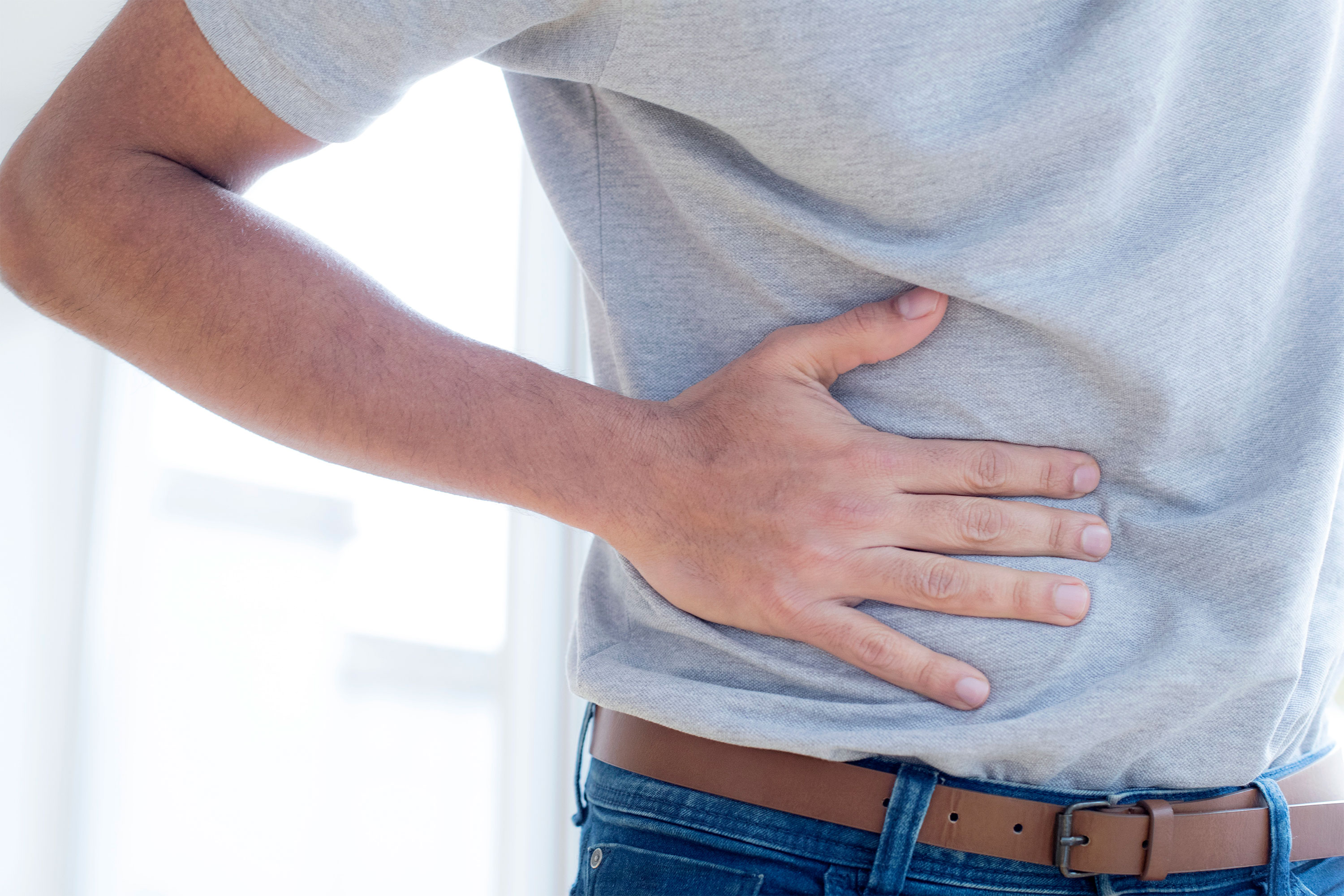
Several issues can lead to abdominal pain when you cough, including inflammation of organs such as the appendix or pancreas. Some of these causes require prompt medical attention.
Coughing is your body’s reflex to clear irritants from the throat. A forceful cough can strain your chest and belly.
But if you regularly feel stomach pain each time you cough, it could indicate an underlying health problem.
The severity of abdominal discomfort linked to coughing ranges from a mild, dull ache to a sharp, intense pain, depending on what’s causing it.
It may not be limited to coughing — you might also notice stomach pain when you laugh, sneeze, or engage in physical activity.
Any sudden or persistent abdominal pain accompanied by other symptoms should be assessed by a healthcare professional. Because many different conditions can cause stomach pain, you should never try to self-diagnose.
This article outlines some common causes of stomach pain that coughing can make worse. Consult a physician if you have symptoms consistent with any of the conditions below.
Any inflammation in the abdominal cavity can produce pain when coughing, so the list here isn’t exhaustive. If you have sudden abdominal pain, with or without coughing, seek medical evaluation.
| Potential condition | Symptoms |
| appendicitis | abdominal swelling or bloating,fever,nausea or vomiting,constipation or diarrhea,decreased appetite |
| cystitis | frequent urination,cloudy or dark urine that’s also foul-smelling,blood in your urine,general feelings of unwellness |
| diverticular disease | abdominal pain,bloating,nausea or vomiting,fever or chills,bowel changes, such as constipation or diarrhea,blood in your stool (rare) |
| endometriosis | significant pain in the lower back, pelvis, and abdominal areas, especially during menstruation, sex, urination, and bowel movements |
| gallstones | abdominal pain that’s severe and lasts for at least 30 minutes at a time,abdominal bloating,pain in your upper back or right shoulder,fever or chills,jaundice,gas or indigestion, especially after eating fatty foods,nausea or vomiting |
| hernia | bulging in your belly or groin area along with pain that gets more severe when you cough, sneeze, lift heavy objects, or pass bowel movements |
| kidney stones | severe abdominal pain,severe pain on one or both sides of your back,stomach ache,cloudy or foul-smelling urine,bloody urine,fever or chills,nausea or vomiting |
| ovarian cysts | lower abdominal pain (mild to severe),sharp pain in the side of your stomach,abdominal bloating or swelling |
| pancreatitis | abdominal pain that gets more severe over time,pain in the abdomen that spreads to your lower back,abdominal swelling,loose or foul-smelling stools,unintentional weight loss |
| weak pelvic muscles | lower abdominal pain and urinary incontinence, which may be worsened when you cough, sneeze, laugh, or exercise |
Appendicitis
Appendicitis refers to inflammation of the appendix. When it occurs, you may have intense abdominal pain that worsens with coughing, sneezing, or physical exertion.
Other signs of appendicitis include:
- abdominal swelling or bloating
- fever
- nausea or vomiting
- constipation or diarrhea
- loss of appetite
There isn’t a single known cause of appendicitis, but identifying and treating it before the appendix ruptures is vital.
Appendicitis is a medical emergency and is frequently managed with surgery to remove the appendix. In less severe cases, antibiotics may be used.
Cystitis
Lower abdominal discomfort is one symptom of cystitis, a common urinary tract infection.
Other symptoms include:
- frequent need to urinate
- cloudy or dark urine that smells unpleasant
- blood in the urine
- general feeling of being unwell
Cystitis is more prevalent in women and mild episodes often resolve within 3 days. If symptoms persist or worsen, consult a doctor who may prescribe antibiotics.
Recurrent or severe infections could indicate interstitial cystitis (IC), which can cause pronounced pain around the bladder, pelvis, or lower abdomen that worsens with activity.
IC can be managed with medications and lifestyle adjustments; surgery is less commonly indicated.
Diverticular disease
Diverticular disease develops when small pouches form by pushing through weakened areas of the colon.
Mild cases may be asymptomatic, but as the condition advances it can lead to:
- abdominal pain
- bloating
- nausea or vomiting
- fever or chills
- changes in bowel habits, such as constipation or diarrhea
- rarely, blood in the stool
If you notice these symptoms, see your healthcare provider. Treatment typically involves medications, a high-fiber diet, and sometimes probiotics.
Blood in the stool is uncommon but should be treated as an emergency.
Endometriosis
Endometriosis affects an estimated 11 percent or more of people with ovaries aged 15 to 44 in the United States.
This condition happens when tissue similar to the uterine lining grows outside the uterus, causing substantial pain in the lower back, pelvis, and lower abdomen, particularly during:
- menstrual periods
- sexual intercourse
- urination
- bowel movements
Endometriosis is not usually a medical emergency, though it can contribute to infertility.
If you experience these symptoms along with digestive problems or spotting between periods, consult a doctor for evaluation.
Gallstones
Gallstones form when excessive bile, bilirubin, or cholesterol accumulates in the gallbladder. They may be symptomless at first but can provoke gallbladder attacks as they enlarge.
Symptoms of gallstones include:
- intense abdominal pain lasting at least 30 minutes per episode
- bloating in the abdomen
- pain radiating to the upper back or right shoulder
- fever or chills
- jaundice
- gas or indigestion, particularly after fatty meals
- nausea or vomiting
Treatment can include surgical removal of the gallbladder or medications that dissolve stones. Persistent fever, chills, or pale stools can signal an emergency.
Hernia
A hernia happens when an organ — commonly the intestine — protrudes through a gap in the abdominal wall muscles. You may notice a bulge in the abdomen or groin.
Pain often becomes worse when you:
- cough
- sneeze
- run
- lift heavy objects
- have a bowel movement
If the opening is large, bowel tissue may slip in and out without danger. But if the bowel becomes trapped, it’s an emergency because blood supply can be cut off and the affected section can die.
Emergency warning signs include:
- severe pain that doesn’t improve with rest
- noticeable abdominal bulging or swelling
- rapid heartbeat
- fever
- nausea or vomiting
- inability to pass stool
Surgery is a common and effective treatment to repair the abdominal wall defect.
Kidney stones
Kidney stones are hardened mineral deposits that form in the urinary tract. When a stone travels through the bladder and urethra, it can produce intense abdominal pain.
A persistent stomachache may also accompany this condition.
Other signs include:
- sharp pain on one or both sides of the back
- cloudy or foul-smelling urine
- blood in the urine
- fever or chills
- nausea or vomiting
Small stones often pass on their own with fluids and pain control. If a stone is too large to pass, or if infection occurs or urine flow is blocked, medical or surgical intervention may be required.
Ovarian cysts
Ovarian cysts are fluid-filled pockets that form on the ovaries. Most are harmless and resolve as part of the menstrual cycle, even if they rupture.
About 8 percent of premenopausal people have large cysts that may need treatment.
Symptoms of problematic cysts include:
- lower abdominal pain
- sharp, localized pain at the side of the abdomen
- abdominal swelling or bloating
Mild cysts may be managed with hormonal birth control. Surgery is usually reserved for large, persistent, or suspicious cysts.
A ruptured cyst can cause severe pain plus:
- heavy bleeding
- nausea or vomiting
- fever
- rapid breathing
- dizziness or fainting
If you experience these signs, seek urgent medical care.
Pancreatitis
Pancreatitis is inflammation of the pancreas and can be acute or chronic, with acute cases presenting more dramatically at onset. Chronic pancreatitis can result in lasting pancreatic damage.
Symptoms include:
- abdominal pain that progressively worsens
- pain that radiates to the lower back
- abdominal swelling
- loose, foul-smelling stools
- unintended weight loss
Signs of severe pancreatitis
Severe pancreatitis can be life-threatening and demands immediate medical attention. Seek emergency care if you have any of the following:
- intensifying abdominal pain, especially with movement
- rapid heart rate
- shortness of breath
- jaundice
- fever
- nausea or vomiting
Weak pelvic muscles
Although not typically an emergency, weakened pelvic floor muscles can cause discomfort and pain in some people with vaginas.
This is common, affecting about 1 in 3 women in the U.S.
Pelvic floor dysfunction often produces lower abdominal pain and urinary leakage, which may worsen during:
- coughing
- laughing
- sneezing
- exercising
Treatment options include pelvic floor exercises, medications, physical therapy, or surgery for more severe cases.
When to see a doctor
Coughing is a normal reflex, but if it triggers or worsens stomach pain, you should consult a healthcare professional.
This is especially important if you notice any additional abnormal signs or symptoms.
Because many different disorders can affect the abdomen, getting an accurate diagnosis is essential for appropriate care.
For some causes of abdominal pain or discomfort related to coughing and respiratory issues, complementary approaches such as essential oils for cough may provide symptomatic relief, while techniques like stomach massage can sometimes ease mild abdominal tension—always check with your clinician before trying new remedies.





















Leave a Reply
You must be logged in to post a comment.