

You may be able to improve skin laxity after losing weight by adding specific nutrients like collagen, doing resistance exercises, and in some cases pursuing medical procedures.
Shedding excess weight to treat overweight or obesity can dramatically lower the risk of many diseases.
Still, substantial weight loss can sometimes leave behind sagging skin. For some individuals, this can cause self-consciousness and physical discomfort that affect daily life.
This article explains why skin can become loose after weight loss and outlines both natural and medical approaches that may help tighten or remove excess skin.
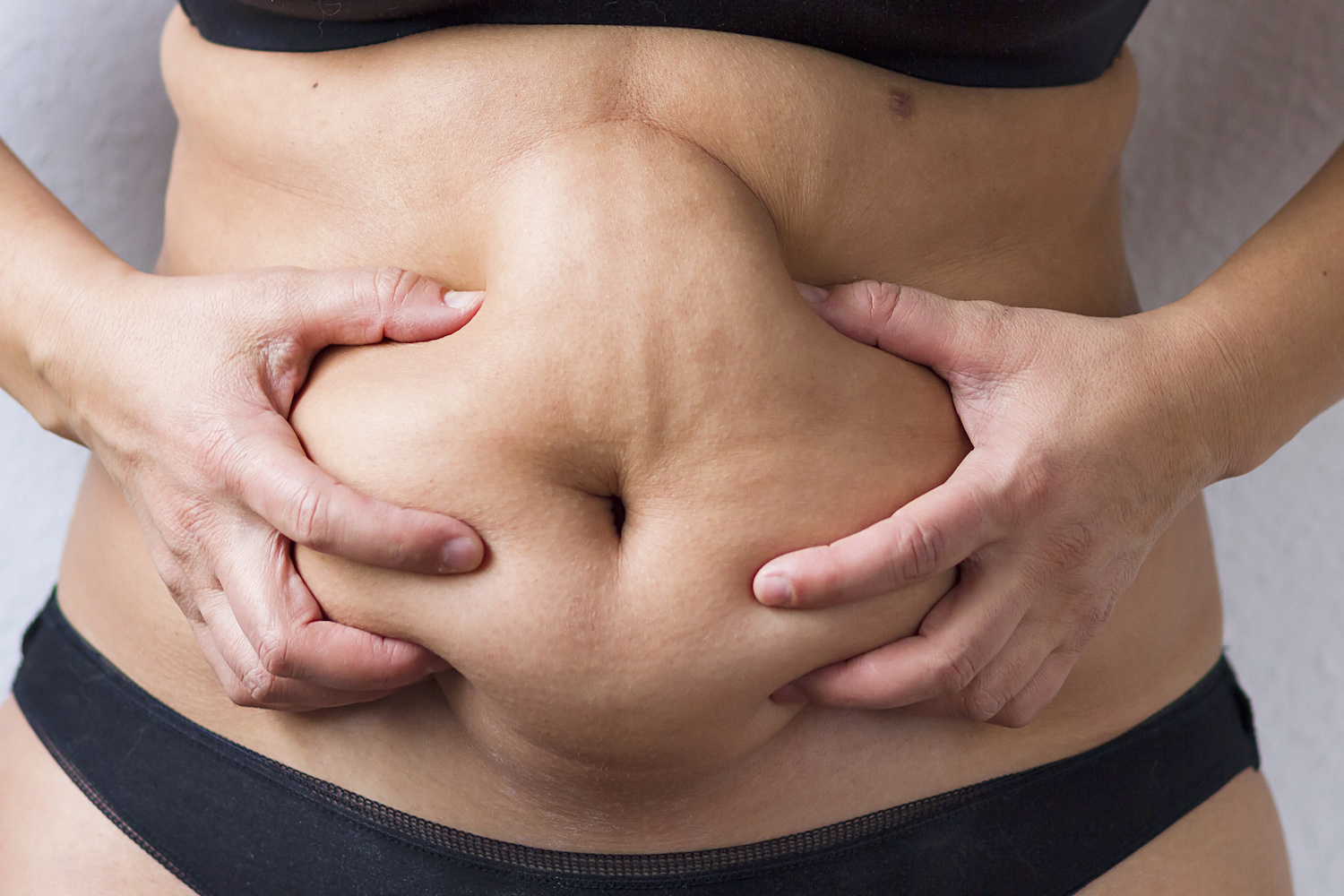
Why does skin become loose after weight loss?
Your skin is your body’s largest organ, acting as a shield against the outside world.
The deeper layers of skin are made up of structural proteins, mainly collagen and elastin. Collagen accounts for roughly 80% of the skin’s framework and is responsible for firmness and strength. Elastin gives skin its stretch and helps it snap back.
When you gain weight, the skin stretches to accommodate increased body size. Pregnancy is a common example of this type of expansion.
During pregnancy, the skin enlarges over several months and usually recedes within months after childbirth.
In contrast, when skin has been stretched extensively and remains stretched for a prolonged period, the collagen and elastin fibers can be damaged and lose some of their recoil ability.
As a result, after substantial weight loss, excess skin may sag from the body. Generally, larger amounts of weight loss lead to more noticeable loose skin.
Additionally, researchers report that people who undergo weight-loss surgery produce less new collagen, and the collagen formed is not as robust as that found in young, healthy skin.
Wellos is owned by RVO Health. By clicking on this link, we may receive a commission. Learn more.
What leads to reduced skin elasticity after losing weight?
Several factors influence how much loose skin someone has after weight loss:
- Duration of excess weight: Typically, the longer a person has been overweight or obese, the more their elastin and collagen degrade, leaving the skin looser after weight loss.
- Amount of weight lost: Rapid or large reductions in body weight usually produce more loose skin than smaller, gradual losses.
- Age: Older skin contains less collagen and generally does not retract as well after weight loss.
- Genetics: Genetic factors influence how your skin reacts to stretching and shrinking.
- Sun exposure: Chronic UV exposure diminishes collagen and elastin production and can contribute to sagging skin.
- Smoking: Tobacco use reduces collagen formation and damages existing collagen, promoting loose, sagging skin.
Can excess skin after weight loss cause issues?
For some people, sagging skin following major weight loss can create both physical and emotional problems:
- Physical discomfort: Extra skin can be uncomfortable and may impede normal movement.
- Emotional distress: An older long-term study noted a possible rise in self-consciousness after weight loss.
- Less physical activity: Although a 2022 study found weight loss motivated more people to exercise, excess skin hindered exercise for some individuals after bariatric procedures.
- Skin irritation or breakdown: A 2014 study of 124 patients seeking plastic surgery after weight-loss operations reported that 44% experienced skin pain, ulcers, or infections due to loose skin.
- Body dissatisfaction: Hanging skin after weight loss can negatively affect body image and mood.
Can you firm up loose skin from weight loss naturally?
These natural approaches may modestly enhance skin strength and elasticity, especially for those who lost a small to moderate amount of weight.
Do resistance training
Regular strength training is one of the most effective ways to increase muscle mass in people of all ages. The Physical Activity Guidelines for Americans recommend strength exercises at least twice per week.
Although direct research is limited, building muscle mass may improve the look of loose skin by providing more underlying volume.

Use collagen supplements
Collagen hydrolysate, similar to gelatin, is a processed form of animal connective tissue collagen.
While it hasn’t been specifically tested for loose skin after major weight loss, an earlier study suggests collagen hydrolysate might help protect skin collagen.
In a controlled 2019 trial, skin elasticity, texture, and hydration improved significantly after 12 weeks of a liquid collagen supplement containing vitamins C and E, biotin, and zinc.
Hydrolyzed collagen is available as a powder and can be found in health food stores or online.
Bone broth is another well-liked collagen source and may offer additional health benefits.
Eat the right nutrients and stay hydrated
Certain nutrients support collagen production and overall skin health:
- Protein: Sufficient protein is essential for healthy skin. Amino acids like proline, hydroxyproline, and glycine are directly involved in collagen formation.
- Vitamin C: Vitamin C is necessary for collagen synthesis and also helps shield skin from UV damage.
- Omega-3 fatty acids: Omega-3s from fatty fish and plant sources such as walnuts, chia, and flax may boost skin elasticity and have anti-aging benefits.
- Water: Good hydration can enhance skin appearance. A 2015 study found that women who increased daily water intake had notable improvements in skin hydration and function.
Wellos is owned by RVO Health. By clicking on this link, we may receive a commission. Learn more.
Are there medical options to tighten loose skin after weight loss?
When weight loss has been substantial, medical or surgical interventions are available to tighten or remove excess skin.
Body-contouring surgery
Many people who lose a large amount of weight through bariatric surgery or other methods consider procedures to remove surplus skin.
In body-contouring operations, a surgeon makes incisions to excise extra skin and fat, then closes the wounds with fine sutures to reduce scarring.
Common body-contouring procedures include:
- Abdominoplasty (tummy tuck): Removal of excess skin from the abdomen.
- Lower-body lift: Removing skin from the abdomen, buttocks, hips, and thighs.
- Upper-body lift: Removing skin from the breasts and back.
- Medial thigh lift: Removing skin from the inner and outer thighs.
- Brachioplasty (arm lift): Removing skin from the upper arms.
Patients often undergo several procedures on different areas over time after major weight loss.
Body-contouring surgery may involve a short hospital stay and a recovery period at home, and there are possible complications such as bleeding or infection.
Multiple studies have shown that body-contouring surgery can improve quality of life after large weight loss.
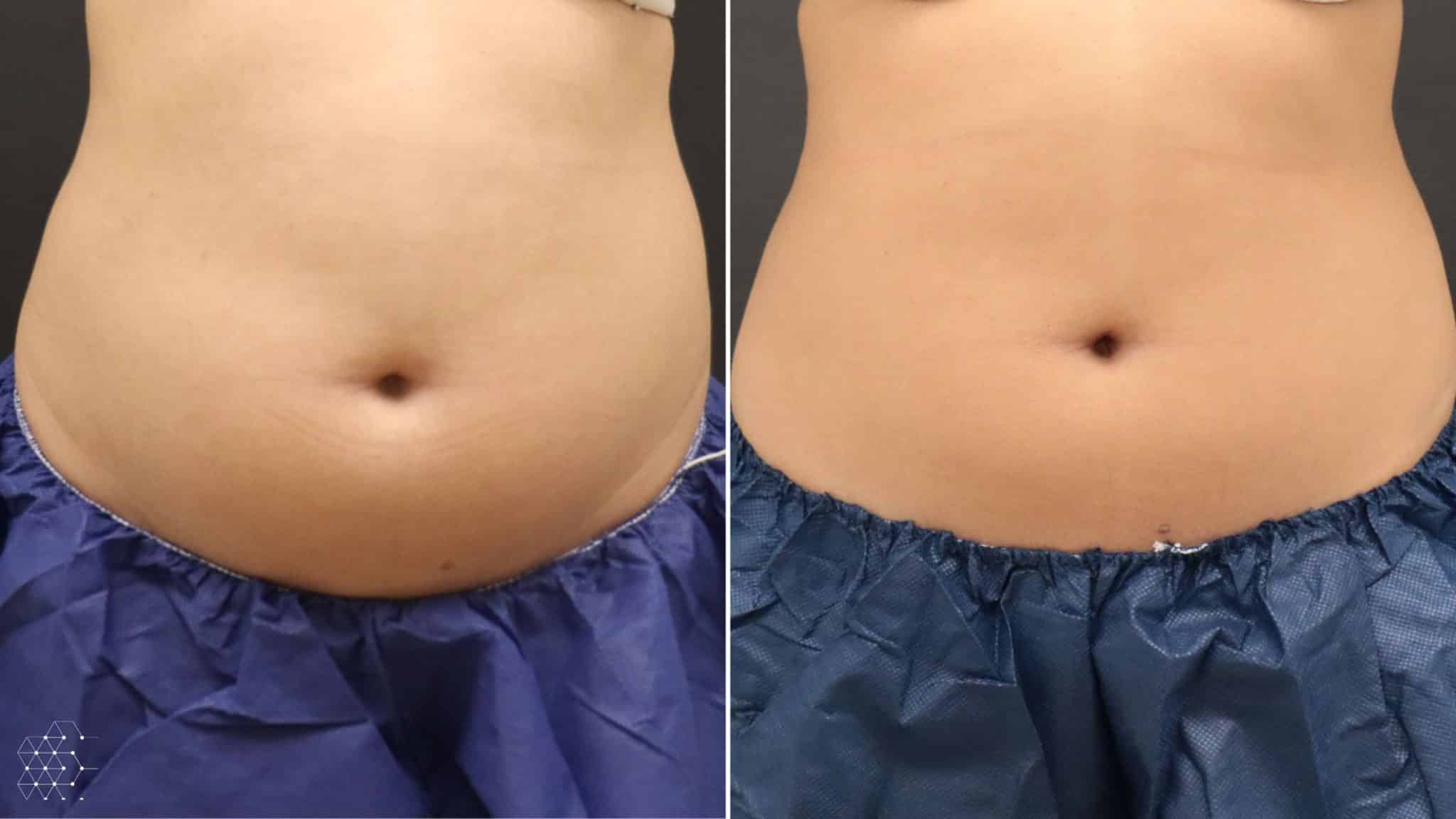
Less invasive medical procedures
Aside from major surgery, there are less invasive treatments with lower complication risks, though results may be more modest:
- Radiofrequency: Treatments using infrared light, radiofrequency, and mechanical massage may help tighten skin and can reduce small pockets of fat, although they do not cause weight loss.
- Ultrasound: A 2019 review found ultrasound-based skin-tightening therapies to be effective and safe with minimal side effects.
While these non-surgical options carry fewer risks, their effects are usually less dramatic than body-contouring surgery.
Wellos is owned by RVO Health. By clicking on this link, we may receive a commission. Learn more.
Conclusion
Loose, excess skin is a common outcome after significant weight loss. If it bothers you, there are treatments to consider.
When weight loss is small to moderate, skin often retracts over time, and home-based strategies may be helpful. For guidance on improving skin firmness at home, see how to tighten loose skin.
For larger amounts of weight loss, surgical body contouring or other medical procedures may be necessary to effectively tighten or remove surplus skin.



















Leave a Reply
You must be logged in to post a comment.