

What is witch hazel?
Witch hazel (Hamamelis virginiana) is a shrub native to North America. For generations Native American communities have relied on it as a remedy for a range of skin complaints tied to irritation and inflammation.
Today, you can purchase witch hazel in its concentrated form at most drugstores. It often looks similar to a bottle of rubbing alcohol. Many over-the-counter creams and ointments also include witch hazel as an ingredient, for issues like insect bites or hemorrhoids.

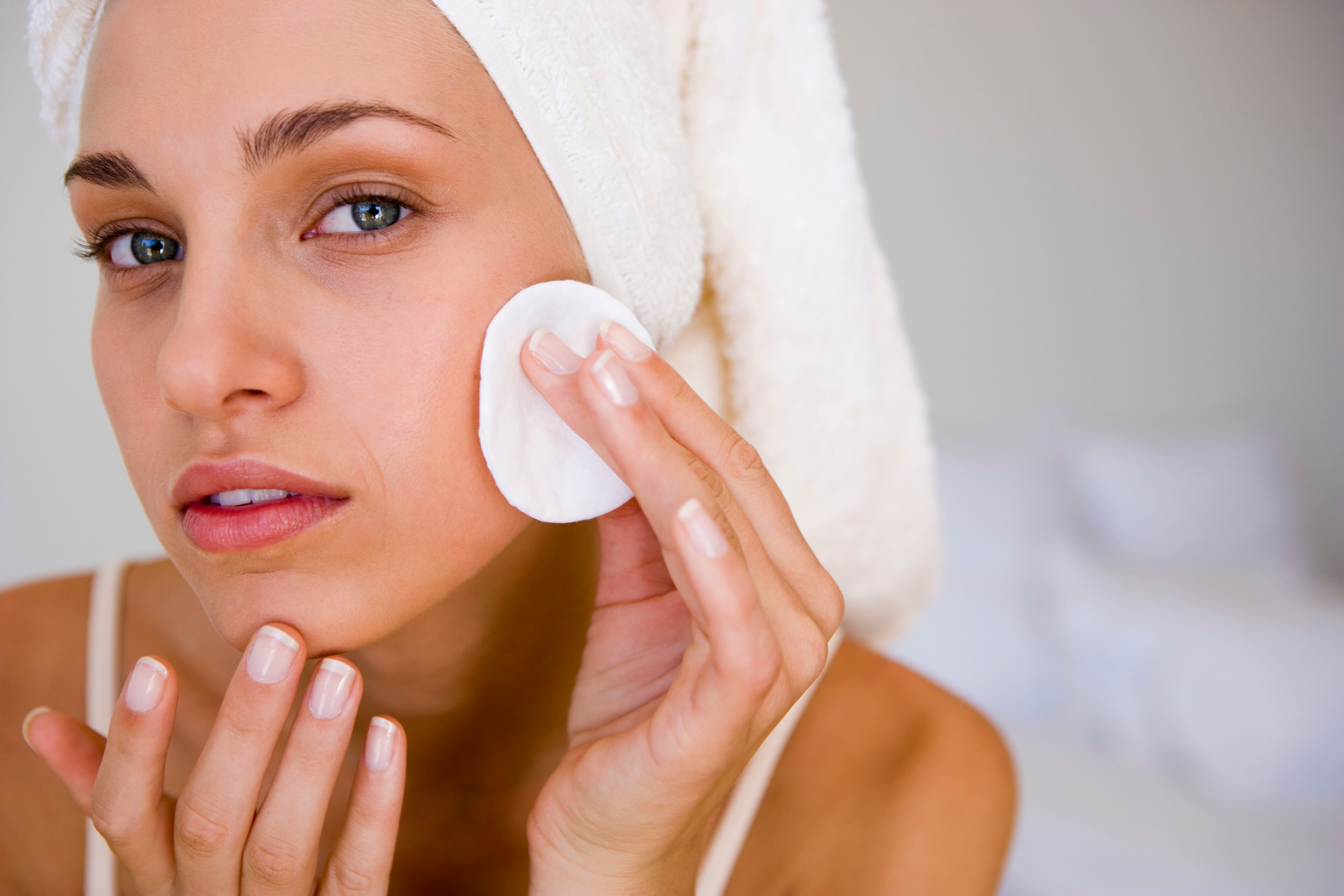
Witch hazel is frequently promoted as an alternative to conventional astringents or toners for facial skin care.
However, widespread availability doesn’t automatically guarantee it’s harmless for everyone’s skin. Continue reading to explore the health claims surrounding witch hazel and whether it may be appropriate for you.
When uncertain, consult a dermatologist first.
Possible benefits of witch hazel
Applied topically, witch hazel-based tonics may help soothe irritation, minor injuries, and inflammation. Common applications include acne, inflammatory skin disorders, and sunburn relief.
Acne
Although certain forms of acne (like cysts and pustules) are inflammatory, witch hazel might also be useful for noninflammatory lesions such as blackheads and whiteheads.
The rationale for using witch hazel on acne is that it can function as an astringent, helping to dry out blemishes in a manner similar to other OTC options.
This effect is partly due to the tannins present in witch hazel, plant-derived compounds that also exhibit antioxidant properties.
Inflammatory skin conditions
Witch hazel could potentially assist with other inflammatory dermatoses, including psoriasis and eczema. The idea is that by reducing underlying inflammation, flare-ups that produce characteristic rashes may become less frequent.
Witch hazel has also been shown to be safe when applied to the scalp.
It may even reduce under-eye puffiness, though it must not be placed directly into the eyes because it can cause burning.
Burns
Traditionally, witch hazel has been used to alleviate sunburn. (It should be noted, however, that it is not a substitute for sunscreen.)
You can also apply witch hazel to some minor burns, including chemical irritations. It may provide relief for razor burn as well.
To treat skin burns, dampen a soft cloth or a sturdy paper towel with the solution and gently press it onto the affected area. Avoid rubbing, which can worsen irritation.
For scalp burns, witch hazel has shown benefit for both men and women. Such injuries may result from chemical exposure or UV rays. Witch hazel can be applied directly during a shower or blended with a small amount of your regular shampoo.
Other uses
According to Berkeley Wellness, a resource for evidence-based health guidance, witch hazel is also commonly applied for:
- bruises
- bug bites
- cuts and minor wounds
- diaper rash
- hemorrhoids
- various other burns
Possible risks of witch hazel
Although witch hazel may aid some skin issues, study results are mixed regarding its effectiveness. For instance, it might not be adequate for treating eczema.
Part of the limitation is that while witch hazel can lessen inflammation, it doesn’t necessarily relieve the itching that accompanies some rashes.
Anecdotal reports are inconsistent as well. For example, a discussion forum on using witch hazel for acne mostly contains positive experiences, yet some individuals report excessive dryness or worsening breakouts.
Because these accounts are subjective, it’s hard to determine which witch hazel formulations were used or how long side effects persisted.
The American Academy of Dermatology continues to endorse well-established OTC acne agents like benzoyl peroxide and salicylic acid.
It’s also important to recognize that most supporting research on witch hazel focuses on topical application. There’s no evidence that ingesting witch hazel, such as in capsule form, delivers benefits.
There’s insufficient proof that witch hazel treats signs of aging, including fine lines, wrinkles, or varicose veins.
Another factor is the formulation you choose. Pure witch hazel contains only the plant extract. Many commercial products, however, include added alcohol or fragrances, which can irritate inflamed, wounded, or sensitive skin.
See your dermatologist
Overall, witch hazel is considered safe for topical use. The caveat is that, like any product applied to your skin, it may not be suitable for everyone.
If you’re experimenting with witch hazel for the first time, try it on a small area away from the face—such as the inner forearm. If no redness, rash, or dryness appears after a few days, it may be okay to use on the face.
Additionally, witch hazel may be inadvisable for certain conditions like rosacea or very dry skin, and people with sensitive skin should proceed cautiously.
Keep in mind that “natural” doesn’t automatically mean safe for everyone. Some over-the-counter preparations may contain ingredients like alcohol that can aggravate your skin.
Finally, consult your dermatologist for personalized recommendations on managing any skin concern. They can help determine which products are effective and safe for your needs.




















Leave a Reply
You must be logged in to post a comment.