

You don’t need to completely ditch hops and malt to shrink a beer belly. Enjoying beer in moderation alongside other changes to your diet and routine can help you lose that extra weight.
A beer belly may come from good times, tasty food, and cold brews, but it can also make movement harder and clothes tighter. Extra pounds may be draining your energy and placing additional stress on your joints and cardiovascular system.
Eliminating a beer belly requires a mix of improved eating habits and physical activity. It often takes longer to lose the weight than it did to gain it.
Keep reading to find out what contributes to a beer belly and the most effective ways to reduce it.
What makes a beer belly develop?
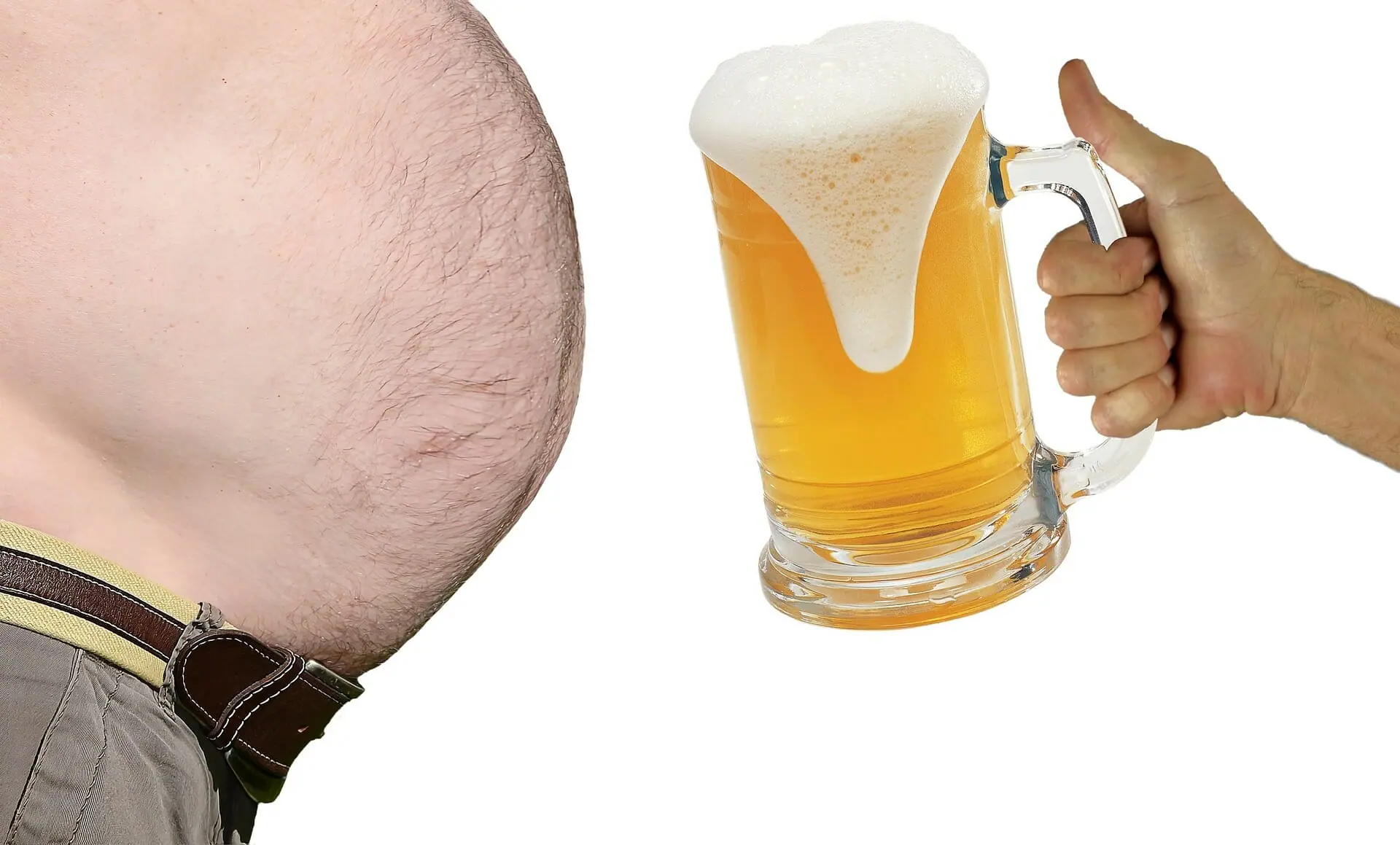
Alcohol intake, especially among men, is linked to developing a beer belly, clinically known as “abdominal obesity.”
Research published in Epidemiology and Health found high alcohol consumption correlates with a larger waistline—hardly surprising given alcohol’s calorie content.
However, a paper in the European Journal of Clinical Nutrition indicates that while heavy beer drinking can expand your waist, the extra fat isn’t necessarily deposited only in the belly.
Contrary to the common idea that beer exclusively targets the midsection, excess calories from beer appear to promote weight gain across the body. Women, for instance, may begin to carry extra pounds lower on the torso rather than solely around the waist.
Beer may also play an indirect role in waist expansion. Think about typical beer pairings: pizza, nachos, and other calorie-rich, fatty foods often accompany a cold lager or IPA. It may be the high-calorie foods—and not just the beer—contributing to the gain.
Interestingly, alcohol consumption can interfere with your body’s ability to burn stored fat efficiently. The body prioritizes metabolizing alcohol for energy, delaying the use of fat reserves.
Excessive drinking is also associated with lower testosterone, which in turn is linked to greater abdominal fat accumulation.
Top strategies to shrink a beer belly
Spot reduction—losing fat only in the midsection—sounds appealing but is generally unrealistic.
Exercises like crunches can tone muscles, yet evidence is mixed on whether targeted exercise burns fat in a specific area such as the belly.
A beer belly typically decreases as overall body weight drops. Weight loss comes down to a simple principle: burn more calories than you take in. Consider these practical approaches to help you reach that goal.
Improve your diet
Cutting back on beer helps, but it’s only one part of dietary change. Try the following tips:
Halve your portions
For instance, choose one slice of pizza instead of two. Over time you’ll adapt to smaller portions, which is especially important when dining out. Restaurant servings are often much larger than standard portions.
Track calories
Counting calories can be tedious at first, but as you learn the calorie content of common foods, it becomes easier.
To lose roughly 1 pound weekly, many women aim for about 1,500 calories per day (down from an average of 2,000), while many men aim for about 2,000 calories daily (down from around 2,500).
Remember these are general estimates; age, current weight, height, activity level, and health status all influence individual needs.
Choose more whole foods
Increase vegetables, fruits, whole grains, and lean proteins while decreasing processed foods and items high in added sugars, refined flour, and saturated fat.
Swap for healthier options
Some simple swaps include:
- Pick strawberries instead of ice cream for dessert.
- Drink water (add a squeeze of lemon or lime for flavor) rather than soda.
- Use healthier oils like olive oil in place of butter when cooking.
Increase physical activity
Raising your activity level is a key element in losing weight. Consider these suggestions:
Try high-intensity interval exercise (HIIE)
HIIE consists of short, near-maximal effort bursts—such as sprints—followed by brief recovery periods, repeated several times.
The Journal of Obesity reports that HIIE can be more effective at fat loss and speeding weight reduction than many other workouts.

Exercise consistently
Aim for at least 30 minutes of moderate aerobic activity most days, plus two sessions per week of strength training and regular stretching sessions.
Incorporate activity into daily life
Choose options that naturally burn more calories—take stairs instead of elevators and take brief walks during breaks at work.
How long does it take to lose a beer belly?
The timeline for reducing a beer belly depends on several factors, including how much weight you need to lose and how dedicated you are to diet, exercise, and lifestyle changes.
One way to estimate progress: about 1 pound of fat equals roughly 3,500 calories. If you cut 500 calories from your daily intake, burn an extra 500 calories through activity each day, or use another combination adding to 1,000-calorie daily deficit, you could potentially lose about 1 pound per week (7 x 500 = 3,500).
That translates to around 4 pounds per month. Doubling the deficit to 1,000 calories daily could lead to an 8-pound monthly loss.
These rates are safe and attainable. If you don’t stick to your eating and activity goals, the timeline will slip. Consistency is crucial.
Beware of fad diets and weight-loss pills promising quick fixes; claims are often exaggerated and such products can carry health risks.
Ways to hide a beer belly while you slim down
If you’d like to make a beer belly less obvious while you work on it, try these styling tips:
- Choose looser clothing like flowy tops and button-down shirts; tight garments can highlight the midsection.
- Wear darker colors on bottoms and lighter colors on top for a more balanced look, though wearing dark clothing head-to-toe can also minimize the appearance of extra weight.
- Avoid tucking in your shirt.
- If you wear stripes, opt for vertical ones.
- Select pants that fit well or are tailored to flatter your lower half.
- High-rise jeans or trousers are preferable to low-rise styles.
- Stick to single-color tops for a cleaner silhouette.
When to consult a doctor
A beer belly alone isn’t usually an emergency, but it can signal rising risk for serious health conditions. Excess weight is linked to:
Abdominal swelling can also stem from causes unrelated to diet and activity. A distended belly could reflect pregnancy or digestive conditions such as:
- irritable bowel syndrome
- lactose intolerance
- intestinal blockage
If your growing belly is accompanied by pain or changes in bowel habits, see a healthcare provider promptly.
Bottom line
If you want to lose a beer belly but aren’t ready to give up beer entirely, you don’t have to. Moderate beer consumption can remain part of your lifestyle if you make other adjustments.
This usually means cutting back on sugary drinks and calorie-dense foods, increasing fat-burning exercise, and possibly switching to lower-calorie beers and drinking fewer of them.
Consider consulting a certified trainer and a registered dietitian for personalized guidance to transform a beer belly into a fitter midsection.

















Leave a Reply
You must be logged in to post a comment.