Chia Seeds Nutrition Facts, Benefits, and Downsides

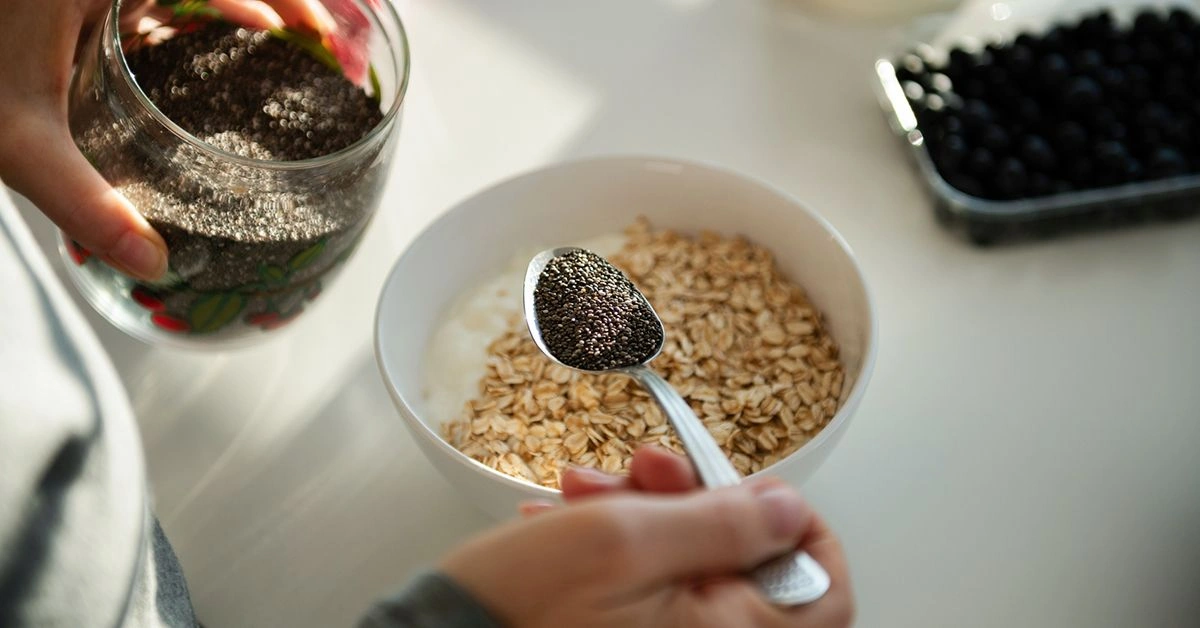
Chia seeds are packed with soluble and insoluble fiber, a high proportion of omega-3 fats, a modest amount of protein, plus numerous vital minerals and antioxidants. They may support digestive function, help reduce blood pressure, and assist with blood glucose management.
Chia seeds are the minute dark seeds harvested from the chia plant (Salvia hispanica).
Originating in Mexico and Guatemala, they were a dietary mainstay for the ancient Aztecs and Mayans.
These seeds are tiny, flat, and oval with a glossy, smooth surface. Their hues vary from white to brown or black.
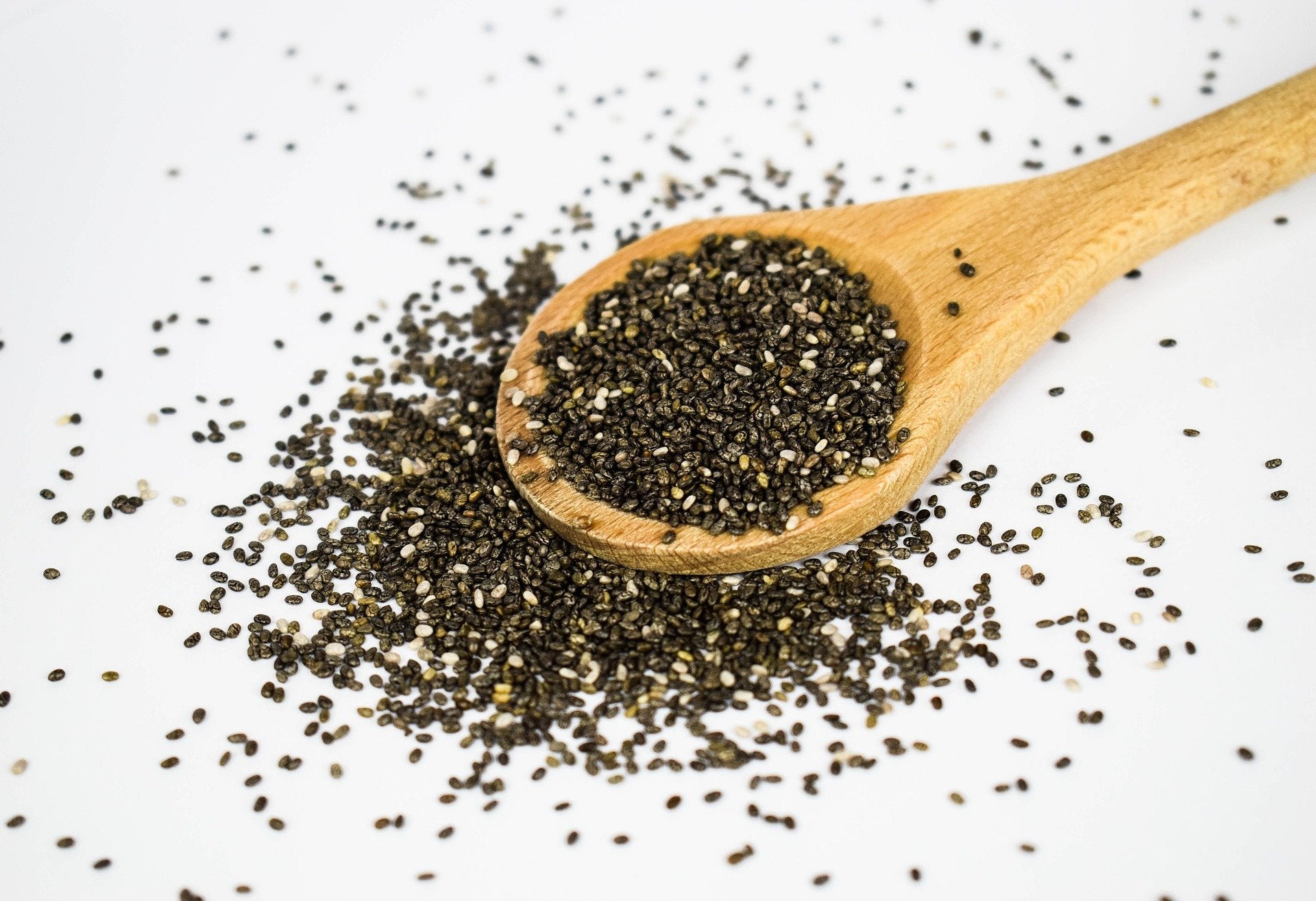
Chia seeds are extremely adaptable. They can be soaked and stirred into oatmeal, transformed into pudding, baked into goods, or simply sprinkled over salads or yogurt.
Due to their capacity to absorb liquids and form a gel, they also work well as a thickening agent or as an egg substitute in recipes.
This article covers everything you should know about chia seeds.
Nutrition facts
An ounce (28 grams) of chia seeds contains about 138 calories.
By composition, they are 6% water, 42% carbohydrates (of which 82% is fiber), 31% fat, and 17% protein by weight.
The nutrient breakdown for one ounce (28.35 grams) of chia seeds includes:
- Calories: 138
- Protein: 4.7 grams
- Carbs: 11.9 grams
- Sugar: 0 grams
- Fiber: 9.8 grams
- Fat: 8.7 grams Saturated: 0.9 grams Monounsaturated: 0.7 grams Polyunsaturated: 6.7 grams Omega-3: 5 grams Omega-6: 1.7 grams
Importantly, chia seeds are naturally gluten-free.
Carbs and fiber
More than 80% of the carbohydrate content in chia seeds is present as fiber.
A single ounce (28.35 grams) provides 9.75 grams of fiber, which represents a large fraction of the Daily Value (DV) of 28 grams per day.
Chia fiber is typically 85-93% insoluble and 7-15% soluble.
Fiber from chia can also be fermented by gut bacteria, encouraging production of short-chain fatty acids (SCFAs) and supporting colon health.
Fat
One distinctive feature of chia seeds is their high level of heart-supporting omega-3 fatty acids.
Roughly 60% of the fat in chia is the omega-3 alpha-linolenic acid (ALA), while about 20% is omega-6 fats.
Indeed, chia seeds are among the top plant-based sources of omega-3s — surpassing even flaxseed in some measures.
A 2019 review reported that ALA can lower cholesterol, triglycerides, and blood pressure, and is linked to reduced risk of heart disease and diabetes. It may also benefit cognitive function, although further research is needed.
The ALA in chia must be converted into active forms (EPA and DHA) for optimal use by the body, and this conversion can be inefficient.
Protein
Chia seeds provide about 5 grams of protein per ounce — comparable to other seeds and higher than most grains and cereals.
Research indicates that diets higher in protein are associated with greater satiety after meals and reduced overall calorie intake.
Interestingly, these seeds contain all nine essential amino acids, making them a high-quality plant protein source. Still, they shouldn’t be the only protein in anyone’s diet; a variety of protein sources is recommended for all diets.
Vitamins and minerals
One ounce of chia seeds supplies meaningful amounts of several minerals and select vitamins, particularly thiamine (about 15% of the DV) and niacin (about 16% of the DV).
The most plentiful minerals include:
- Manganese (23% of the DV). Grains and seeds are good sources of manganese, which is necessary for metabolism and growth.
- Phosphorus (20% of the DV). Commonly found in protein-rich foods, phosphorus supports bone health and tissue maintenance.
- Copper (29% of the DV). Often underconsumed, copper contributes to cardiovascular health.
- Selenium (29% of the DV). An antioxidant mineral involved in numerous bodily functions.
- Iron (22% of the DV). Iron helps form hemoglobin for oxygen transport, though its absorption from chia may be limited by phytic acid.
- Magnesium (23% of the DV). Frequently deficient in Western diets, magnesium is crucial for many physiological processes.
- Calcium. The body’s most abundant mineral, vital for bones, muscles, and nerve function.
Absorption of certain minerals like iron and zinc may be decreased by the phytic acid present in chia seeds.
Other plant compounds
Chia seeds are rich in several beneficial phytochemicals, such as:
- Chlorogenic acid. This antioxidant, also found in coffee and fruit, may support cardiovascular health.
- Caffeic acid. Abundant in many plants, this compound may reduce inflammation.
- Quercetin. A potent antioxidant that might protect heart health and lower cancer risk.
- Kaempferol. This antioxidant has been linked to reduced risk of some cancers and chronic illnesses.
Properly stored dry chia seeds have a long shelf life because their antioxidant content helps protect the oils from rancidity.
Health benefits of chia seeds
Chia seeds have surged in popularity in recent years, largely due to their nutrient density and proposed health advantages.
Below are the primary health effects associated with chia consumption.
Raises blood omega-3 levels
Omega-3 fats are vital for brain and body health, and chia seeds are an excellent source of the plant omega-3 ALA.
That said, ALA must be converted into active forms like EPA for full benefit.
A 2021 meta-analysis found that chia intake increases blood concentrations of ALA and EPA in several studies.
May improve blood sugar regulation
Maintaining steady blood glucose is important for overall health.
Animal research shows that sprouted chia can lower insulin resistance and improve glucose control — factors tied to metabolic syndrome, type 2 diabetes, and cardiovascular disease.
One human trial reported that bread containing chia produced a smaller blood sugar rise in non-diabetic people compared with conventional breads.
However, findings are inconsistent. A meta-analysis in overweight participants found no meaningful effect of chia supplements on glycemic markers, and a randomized trial in type 2 diabetes patients showed no significant changes in HbA1c, fasting glucose, or insulin.
May reduce blood pressure
Elevated blood pressure is a leading risk factor for chronic disease.
Some recent studies indicate that chia can lower systolic blood pressure, though effects on weight and lipid panels were not observed. Research on chia flour has yielded mixed outcomes as well (study ).
Boosts fiber intake
Many people fall short of recommended fiber intake.
Diets high in fiber are associated with better gut health and decreased risk of a variety of diseases.
One ounce (28 grams) supplies 9.75 grams of fiber, roughly 35% of the DV.
Thanks to their soluble fiber, chia seeds slow digestion , which promotes fullness and can reduce overall food intake.
Potential side effects and individual considerations
Chia seeds are widely regarded as safe, and few adverse effects have been reported from normal consumption.
Still, to prevent possible digestive discomfort, be sure to consume adequate fluids when eating chia — particularly if they haven’t been soaked beforehand.
Conclusion
Chia seeds are an excellent source of fiber, antioxidants, a range of minerals, and plant-based omega-3 fats.
They’ve been associated with improvements in risk factors for cardiovascular disease and diabetes, as well as with benefits for digestion and gut health.
Chia seeds are simple to add to a balanced diet.
Frequently Asked Questions
Chia seeds are high in fiber, plant-based omega-3 (ALA), protein, and several minerals like manganese, phosphorus, magnesium, and iron, plus antioxidants.
Common serving sizes are 1–2 tablespoons (about 15–30 grams) per day. Start with a smaller amount and ensure adequate fluid intake, especially if eating them dry.
Evidence suggests chia may modestly improve blood sugar regulation and raise ALA levels, which could benefit heart health, but results are mixed and more research is needed.
Most people tolerate chia well, but eating them dry without enough liquid can cause digestive discomfort or choking risk. They may also reduce mineral absorption slightly due to phytic acid.
Chia can be eaten whole, soaked into puddings, mixed into oatmeal, or baked. Store dry chia in a cool, dark place to preserve oils and prevent rancidity.
Read Next
Olives 101: Nutrition Facts and Health Benefits
All About the Chinese Body Clock
Refined vs. Unrefined Coconut Oil: What’s the Difference?

Club Soda, Seltzer, Sparkling Water, and Tonic Water: A Comparison
White Mushrooms: Nutrition, Benefits, and Uses
Raisins vs. Sultanas vs. Currants: What’s the Difference?
Related Posts
Everything You Should Know About Health Benefits of Ginger Oil
Aug 29, 2026 • 26 min read
8 Health and Nutrition Benefits of Jicama
Aug 10, 2026 • 10 min read
What’s the Benefit of Poppyseed Oil?
Aug 25, 2026 • 35 min read
What's the Difference Between Kosher and Halal Diets?
Aug 22, 2026 • 33 min read
What Is California Poppy, and Does It Have Health Benefits?
Aug 6, 2026 • 13 min read