

When air-popped and dressed without heavy fats, salts or sugars, popcorn can be a nutritious snack. It’s an excellent source of fiber and contains several important nutrients.
Popcorn ranks among the globe’s healthiest and most commonly enjoyed snack items.
Loaded with beneficial nutrients, it also delivers various health advantages.
That said, it is sometimes prepared with excessive amounts of fat, sugar and salt, which can promote overeating.
Therefore, preparing your popcorn correctly is essential.
Depending on preparation, it can be extremely wholesome or quite unhealthy.
This piece examines popcorn’s nutrition profile and its effects on health, both positive and negative.

What is popcorn?
Popcorn is a distinct variety of maize that “pops” when exposed to heat.
Each kernel contains a tiny pocket of moisture; when heated that water expands until the kernel bursts.
The oldest known popcorn was found in New Mexico and is believed to be over 5,000 years old.
Its popularity has grown over time. It became particularly widespread during the Great Depression because it was inexpensive.
Nowadays Americans consume roughly 1.2 billion pounds (500 million kg) annually, making it the most popular snack by volume in the U.S. (1).
Summary: Popcorn is a special kind of corn that pops when heated. By volume, it’s America’s top snack food.
Popcorn nutrition facts
Many people don’t realize that popcorn is a whole grain, which means it naturally contains several valuable nutrients.
Whole grain intake has been associated with benefits such as lower inflammation and reduced heart disease risk (2, 3).
Here’s the nutrient breakdown for a 28.35-gram (1-oz) portion of air-popped popcorn (4, 5):
- Vitamin B1 (Thiamin): 0.029 mg
- Vitamin B3 (Niacin): 0.655 mg
- Vitamin B6 (Pyridoxine): 0.045 mg
- Iron: 0.904 mg
- Magnesium: 40.8 mg
- Phosphorus: 101 mg
- Potassium: 93.3 mg
- Zinc: 0.873 mg
- Copper: 0.074 mg
- Manganese: 0.315 mg
This serving provides about 110 calories, 3.36 grams of protein, 22.1 grams of carbohydrates and 1.29 grams of fat.
It also supplies an impressive 4.11 grams of fiber, which is remarkably high, making popcorn among the best fiber sources.
Summary: Popcorn is a whole grain rich in vitamins, minerals and notably high amounts of fiber.
It is high in polyphenol antioxidants
Polyphenols are antioxidant compounds that help shield cells from damage caused by free radicals.
A 2019 study found that popcorn is abundant in polyphenols (6).
Polyphenols have been associated with various health benefits, including improved blood flow, better digestive health and a lower risk of conditions like hypertension and diabetes (7, 8).
Some studies also suggest polyphenols may reduce the risk of cancers, such as prostate and breast cancer (9, 10).
Summary: Popcorn contains substantial amounts of polyphenol antioxidants—plant compounds linked to multiple health benefits.
Extremely high in fiber
Popcorn boasts a high fiber content.
Research indicates dietary fiber can lower the risk of various conditions, including heart disease, obesity and type 2 diabetes (11, 12, 13).
Fiber also aids weight loss efforts and supports digestive wellness (14, 15, 16).
Recommended daily fiber intake is about 25 grams for women and 38 grams for men, yet most people consume far less (17).
A 100-gram (3.5-ounce) portion of popcorn supplies 15 grams of fiber, which contributes significantly toward daily requirements (4, 5).
Summary: Popcorn’s high fiber content is linked to health benefits like weight management and a reduced risk of several diseases.
Eating it may help with weight loss
Because popcorn is fiber-rich, fairly low in calories and has low energy density, it possesses qualities that support weight loss.
Air-popped popcorn has about 31 calories per cup, far fewer than many common snack options (4).
One study comparing satiety after eating popcorn versus potato chips discovered that 15 calories of popcorn were as satiating as 150 calories of chips (18).
Owing to its low calorie density, high fiber and ability to increase fullness, popcorn may help you consume fewer calories and support weight loss.
Still, portion control matters. Even though it can be more filling than many snacks, overeating it can still contribute to weight gain.
Summary: Popcorn’s fiber, low calorie count and low energy density make it a potentially helpful snack for weight loss when eaten in moderation.
Pre-packaged microwave popcorn may be harmful
Many people prefer the convenience of pre-packaged microwave popcorn.
However, microwave bags are often lined with chemicals such as perfluorooctanoic acid (PFOA), which have been linked to various health concerns.
Reported associations include ADHD, reduced birth weight and thyroid issues, among others (19, 20, 21).
Microwave popcorn may also include diacetyl, a compound used in artificial butter flavorings.
Although the precise risk to consumers remains unclear, animal research indicates inhaling diacetyl can harm airways and contribute to lung disease (22, 23, 24).
Some microwave brands are produced with hydrogenated oils and may still have traces of partially hydrogenated fats or trans fats.
Trans fats have been associated with higher heart disease risk and other serious health issues, which led to restrictions on their use in the U.S. (25, 26, 27, 28).
Even if some brands claim to be free of these substances, it’s often better to avoid them since making homemade popcorn is simple and healthier.
Summary: Packaged microwave popcorn can contain PFOA and diacetyl—chemicals that may be harmful—and might include traces of trans fats.
Some toppings and preparation methods are a bad idea
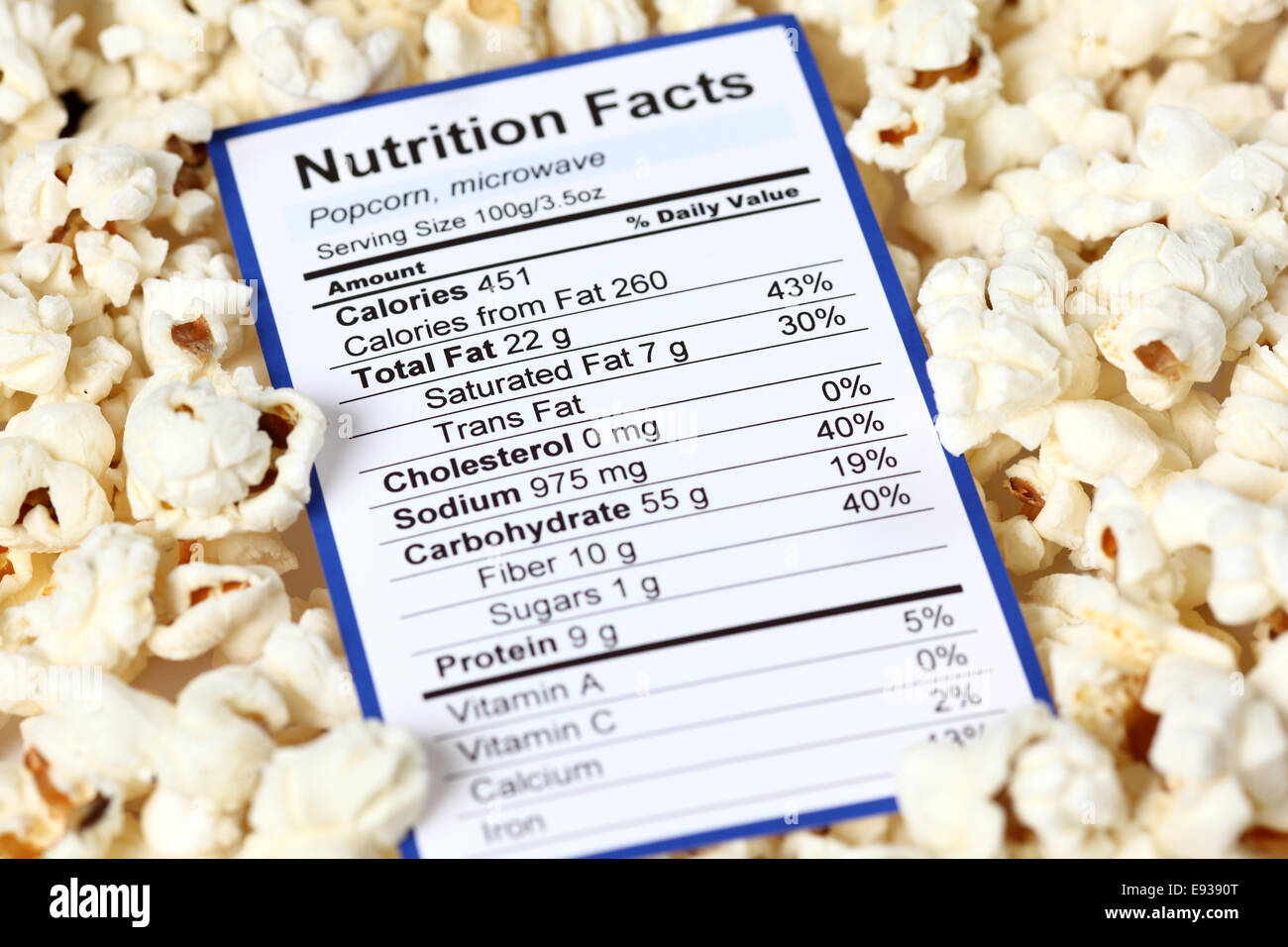
Despite popcorn’s healthy profile, the way it’s prepared can dramatically change its nutritional value.
Air-popped popcorn is naturally low in calories, but certain commercial preparations are extremely calorie-dense.
For instance, a CSPI report found a medium popcorn at a major movie theater chain contained about 1,200 calories—even before adding buttery toppings (29).
Theater and store-bought varieties are frequently drenched in unhealthy fats, artificial additives and large amounts of sugar and salt.
These additions not only increase calorie load but can also have other negative health effects.
Summary: Commercially prepared popcorn can be extremely high in calories and loaded with unhealthy ingredients.
How to make healthy popcorn
Stovetop popcorn or air-popped popcorn are the healthiest choices.
Try this easy recipe for a healthier batch:
Ingredients
- 3 tablespoons olive oil or coconut oil.
- 1/2 cup popcorn kernels.
- 1/2 teaspoon salt.
Directions
- Put the oil and kernels in a large pot and cover.
- Cook over medium-high heat for about 3 minutes or until popping nearly stops.
- Remove from heat and transfer to a serving bowl.
- Season with salt.
Here is a quick video demonstrating how to make very healthy popcorn in minutes:
You can enhance flavor by adding fresh herbs or spices. For a sweet option, drizzle with natural nut butter or sprinkle with cinnamon or dark chocolate shavings.
For extra nutrition, try topping with nutritional yeast, which offers a savory, cheesy note and provides protein, fiber, B-vitamins and minerals (30).
Summary: The best way to prepare popcorn is on the stove or with an air-popper, and there are many ways to add flavor without sacrificing healthfulness.
Real popcorn is super healthy
Popcorn contains several essential nutrients, including vitamins, minerals and polyphenol antioxidants. It’s also delicious and one of the top natural sources of fiber.
Overall, popcorn is very healthy, and eaten in moderation it may even support weight loss.



















Leave a Reply
You must be logged in to post a comment.