What to Know About Yellow C. diff Diarrhea


C. diff infection can trigger significant diarrhea and digestive upset. Although some people notice changes in stool color, there is no specific shade that definitively confirms a C. diff infection.

According to the Centers for Disease Control and Prevention (CDC), Clostridioides difficile (C. diff) is responsible for 15% to 25% of all antibiotic-associated diarrhea cases. This bacterium can live in the gut without causing issues because normal, healthy bacteria typically keep C. diff in balance.
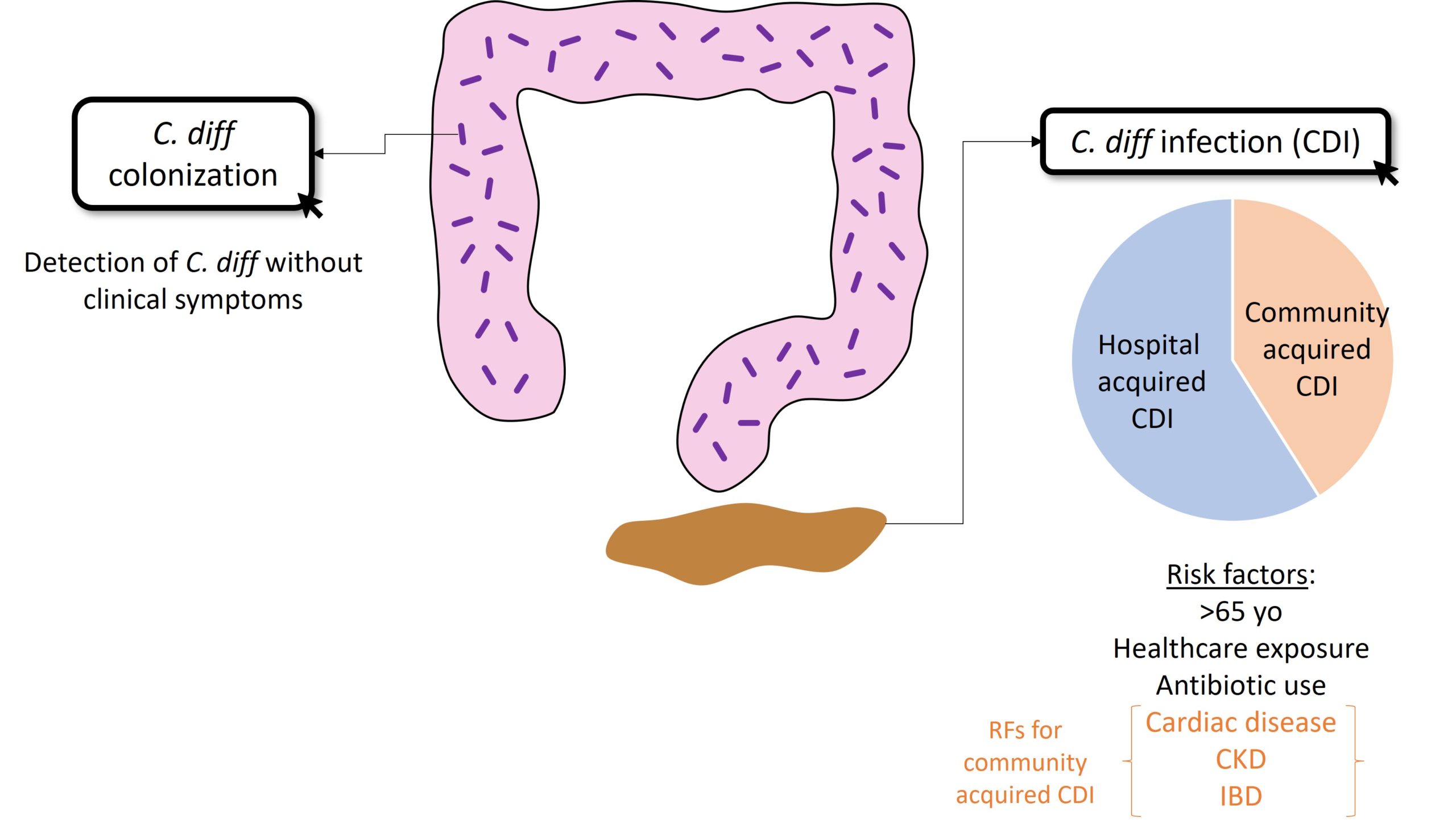
However, when you take antibiotics, those protective bacteria may be reduced, allowing C. diff to multiply excessively. This overgrowth can lead to symptoms such as severe diarrhea and abdominal discomfort. Many people wondering How long does C diff last are also concerned about changes in bowel movements. While stool color can vary — including yellow tones — there is no proven link between stool color and the presence of C. diff infection.
What does C. diff diarrhea look like?
C. diff diarrhea is most often watery in consistency. Bowel movements may occasionally appear loosely formed, but they are typically liquid. In some cases, mucus or blood may be visible in the stool.
Diarrhea linked to C. diff is usually frequent. A person who has 3 or more loose stools within 24 hours should be evaluated and tested for the infection. If you are unsure about stool appearance, you can learn more by reviewing What does C diff poop look like, which explains common visual characteristics associated with the condition.
Beyond appearance, C. diff diarrhea is often accompanied by urgency and a strong odor. These features can help healthcare professionals differentiate it from other causes of infectious or antibiotic-related diarrhea, though laboratory stool testing is required for confirmation.
Can C. diff cause yellow diarrhea?
There is no distinct stool color that defines Clostridioides difficile infection. Even an experienced healthcare professional cannot diagnose C. diff based on color alone. Clinical practice guidelines for C. diff infection make no mention of stool color as a diagnostic feature.
A small 2019 study explored whether green stool might signal C. diff infection. Researchers reviewed 84 stool samples, and 4 tested positive for C. diff. Although green stool appeared more often in the control group, the findings were limited and not sufficient for diagnostic use.
Yellow or pale stool can be related to other medical issues. For example, steatorrhea — an increase in stool fat content — leads to lighter-colored bowel movements. Gallstones may also cause digestive symptoms that include pale stools. Because color alone is unreliable, laboratory testing remains essential when C. diff is suspected.
How long does C. diff diarrhea last?
One of the most common questions people ask is, How long does C diff last? According to the CDC, about 20% of people experience improvement within 2 to 3 days after stopping the antibiotic that triggered the infection. However, you should always obtain a confirmed diagnosis and follow your doctor’s instructions before discontinuing any prescribed medication.
C. diff diarrhea often begins during or shortly after a course of antibiotics. In most cases, symptoms develop 5 to 10 days after starting antibiotics. However, it can appear as early as the first day of treatment or as late as 2 months afterward.
With appropriate therapy, symptoms generally improve. Still, untreated C. diff infection can lead to serious complications, including dehydration, electrolyte imbalances, and bowel damage. For individuals concerned about recurrence, it may be helpful to understand Once you have C diff do you always have it, as relapse can occur in some cases.
The duration of illness can vary depending on factors such as age, immune status, severity of infection, and whether this is a first episode or a recurrence. Prompt treatment significantly improves outcomes and reduces the risk of complications.
Other symptoms of C. diff
Although diarrhea is the hallmark symptom, C. diff can produce a range of additional signs. You may experience digestive complaints, dehydration symptoms, or systemic effects, including:
- abdominal pain
- nausea
- vomiting
- dry mouth
- less urination
- headaches
- fever
- appetite loss
- weight loss
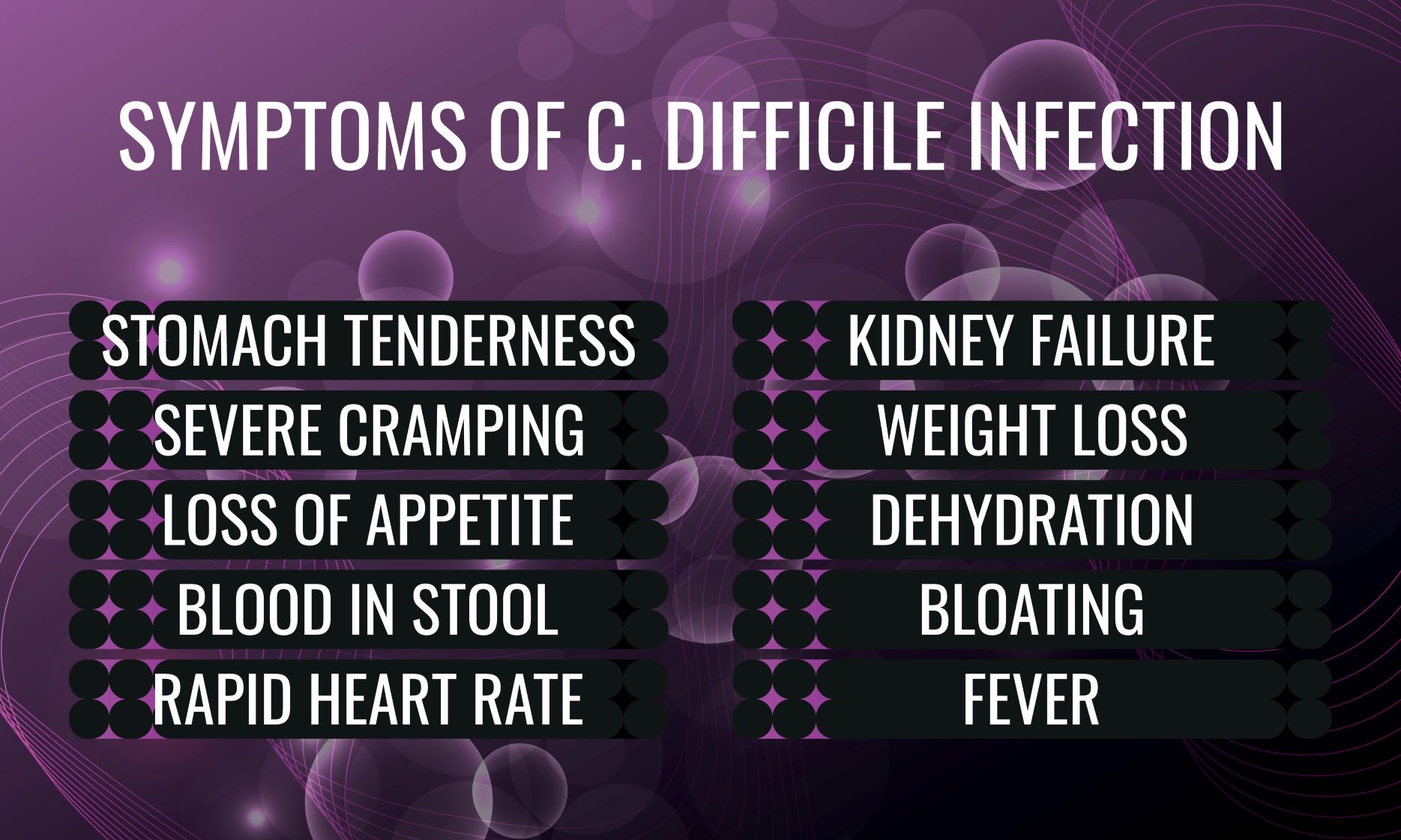
In more severe cases, the intestinal lining might be inflamed, a condition known as pseudomembranous colitis. The colon can also become dangerously enlarged, referred to as toxic megacolon. These complications require urgent medical attention.
If C. diff is suspected, a healthcare professional can confirm the diagnosis by testing a stool sample. Many individuals may carry C. diff bacteria without symptoms, and treatment is not necessary unless symptoms are present and testing is positive.
Treatment options for C. diff
When diagnosed with C. diff diarrhea, treatment may be managed at home if the infection is mild. Hospitalized patients are often placed in isolation to reduce transmission risk, as C. diff spores can spread easily in healthcare environments.
Treatment for C. diff infection involves specific antibiotics. For nonsevere infection, a doctor may prescribe one of the following oral regimens:
- fidaxomicin: 200 mg every 12 hours for 10 days
- vancomycin: 125 mg every 4 hours for 10 days
For a severe C. diff infection, a higher dose of vancomycin may be administered either orally or through a nasogastric tube.
If the infection returns after initial therapy, another antibiotic course may be required. In recurrent or complicated cases, fecal transplantation or surgery such as colectomy may be considered. Early intervention improves recovery time and helps answer the concern of How long does C diff last in a more favorable way.
How can C. diff be prevented?
If someone in your household has C. diff, you can help prevent the transmission by thoroughly cleaning and disinfecting high-touch surfaces on a regular basis. Because C. diff forms hardy spores, proper hygiene is critical.
Additional preventive steps include:
- Wash hands frequently with soap and water, especially after using the bathroom and before meals.
- Disinfect surfaces such as toilets, handles, light switches, and doorknobs with bleach after use.
- Use personal towels only and avoid sharing them.
- Launder clothing and bedding at the highest safe temperature.
- Avoid visiting hospitalized individuals if you are feeling ill.
The American College of Gastroenterology (ACG) recommends against using probiotics to prevent C. diff infection. Current guidelines state there is no clear evidence that probiotics prevent Clostridioides difficile infection, and some data suggest they could be harmful for certain individuals.
When to speak with a doctor
Persistent diarrhea warrants medical evaluation, as it can signal several gastrointestinal conditions, including C. diff infection. You should consult a doctor promptly if you have diarrhea and:
- you are currently taking or have recently completed a course of antibiotics
- you notice blood in your stool
- you experience abdominal pain, fever, or a rapid heart rate
- you show signs of dehydration
Early assessment allows for appropriate testing and timely treatment, which can shorten illness duration and reduce complications.
Takeaway
C. diff diarrhea commonly develops after antibiotics disrupt the natural balance of bacteria in the gut. Stools are typically watery and may contain mucus or blood. Although some people observe color changes, there is no reliable association between C. diff infection and any specific stool color.
If you are asking How long does C diff last, the answer depends on the severity of infection, timing of treatment, and individual health factors. Many mild cases improve within a few days after stopping the triggering antibiotic, while others require targeted therapy. Prompt medical care and adherence to treatment recommendations are essential for a safe and complete recovery.
Knowledge Base Questions
Symptoms often begin 5-10 days after starting antibiotics. With treatment, improvement can be seen in 2-3 days, but full recovery depends on severity and individual health factors.
No. There is no specific stool color that confirms a C. diff infection. Yellow or pale stool can be caused by other conditions and is not a reliable diagnostic feature.
Other symptoms include abdominal pain, nausea, fever, loss of appetite, and signs of dehydration like dry mouth and reduced urination.
Doctors typically prescribe specific antibiotics like fidaxomicin or vancomycin. Treatment duration is usually 10 days, with adjustments for severe or recurrent cases.
Consult a doctor promptly if you have three or more loose stools in 24 hours while on or after antibiotics, or if you experience blood in stool, abdominal pain, fever, or dehydration signs.






Related Posts

Proteolytic Enzymes: How They Work, Benefits and Sources
Sep 13, 2026 • 26 min read
How Long Does It Really Take to Sober Up?
Aug 23, 2026 • 30 min read
White Specks in Stool
Aug 28, 2026 • 14 min read
Constipation and Back Pain
Aug 1, 2026 • 18 min read
Salmonella Food Poisoning
Sep 14, 2026 • 20 min read