
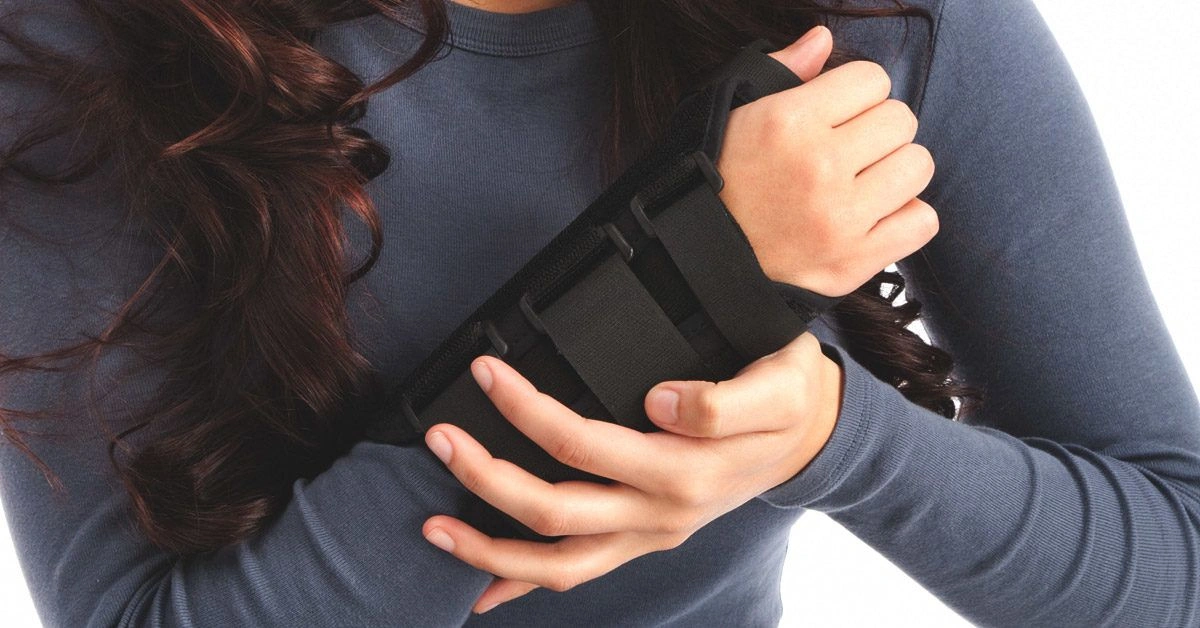
What are forearm splints?
Ever heard of shin splints? They’re unpleasant — and you can get a similar issue in your arm.
Forearm splints occur when joints, tendons, or other connective tissues in the forearm become strained or sprained from repetitive use or overload.
These injuries can also make the bones along your forearm feel sore. If you’re a gymnast, weightlifter, bodybuilder, or baseball player, you might already be familiar with this condition.
Below we’ll explain how to spot forearm splints, common activities that cause them, and effective treatment options.
Symptoms
The word “splint” can describe several symptoms associated with this type of injury. You may notice one or more of the following from the wrist up toward the elbow:
- forearm pain, especially when using the arm during workouts or everyday tasks; this can vary from a mild, occasional ache to persistent, throbbing pain
- tendernesswhen pressing on the forearm
- redness and swellingalong the forearm
Depending on how severe the splint is, you could also experience:
- reduced strength in the arm
- difficulty lifting or bearing weight on the forearm, wrist, or elbow
- stiffness that’s worse after sleeping
- warmth in the forearm
- palpable lumps where muscle is inflamed
- difficulty gripping items
- a grating or grinding sensation when moving the forearm muscles
- numbness affecting the wrist, hand, fingers, or elbow
- a sharp burning sensation, particularly when you try to use the forearm muscles
Causes
Forearm splints frequently develop in people who use their upper limbs extensively for manual tasks or exercise.
Typical causes include:
- stress fractures in the arm bones. These tiny fractures result from repetitive movements or prolonged heavy use.
- injury or inflammation of tendons. Tendons — the bands that connect muscles to bone — can become irritated from overuse or injury, leading to tendinitis.
- overstretching of the elbow joint. Torn tendons or ligaments (sprains) can range from partial tears to severe damage that limits arm movement.
Home remedies
The RICE approach is often the best initial treatment for forearm splints:
Rest
Give your forearm time to heal. You probably rely on it more than you realize — from carrying a backpack or briefcase to holding a pet or performing sports. Even finger movements recruit forearm muscles.
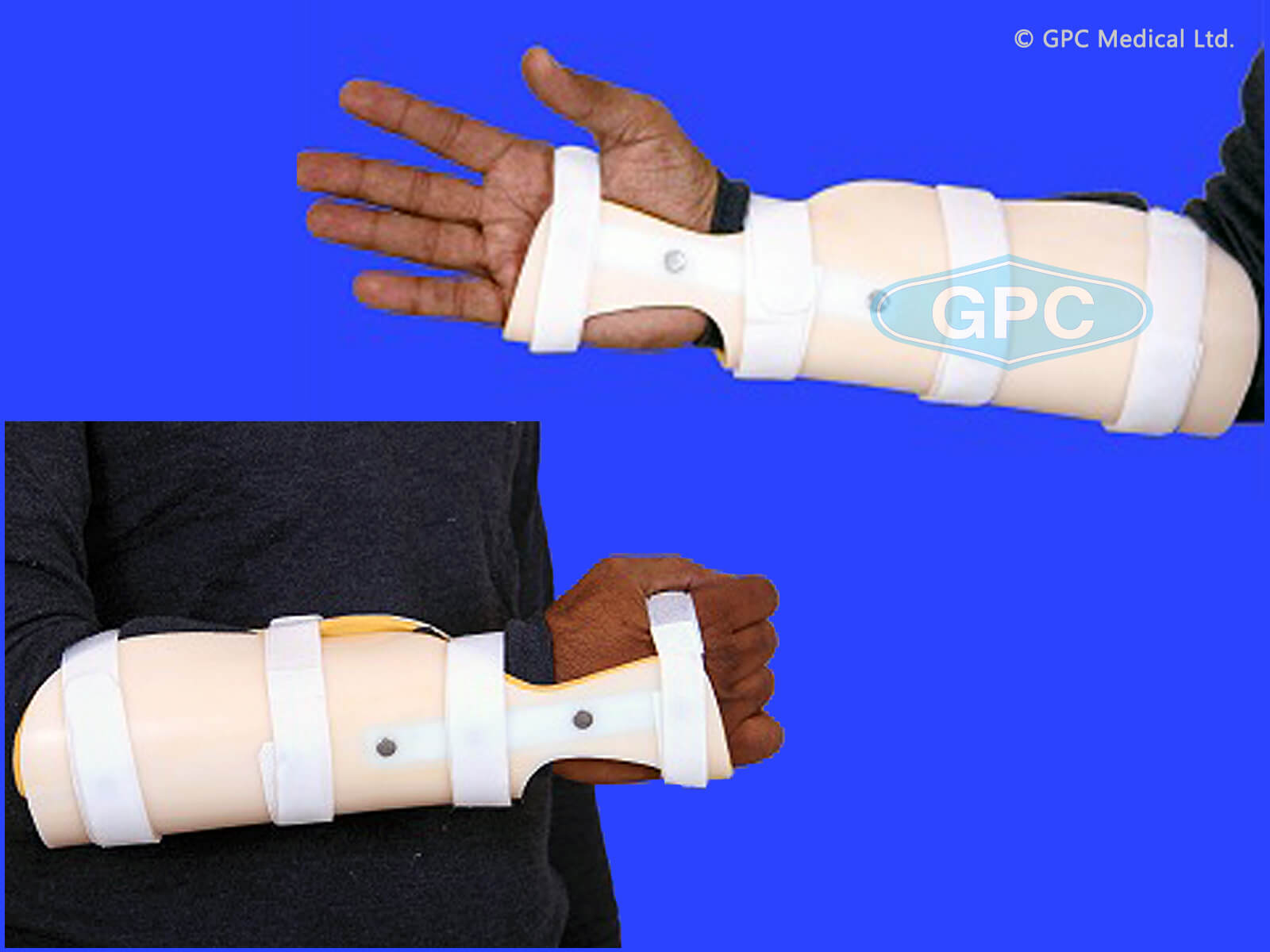
Consider using an elbow brace, wrist brace, forearm splint, or elbow wrap to restrict movement and reduce strain. This helps your muscles recover more quickly.
Ice
Apply an ice pack (or a frozen bag of vegetables) wrapped in a damp cloth to the forearm for about 10 minutes several times daily. Try doing this at bedtime or after waking up.
Icing is especially helpful after extensive use or periods of inactivity.
Compression
A compression sleeve or wrap can ease symptoms. Some people only need it for a few hours at a time, while others wear it throughout the day for several days or weeks until healing progresses. Remove it for showers and sleeping.
Elevation
Raise your forearm above chest level to reduce swelling. Prop your arm on pillows while sitting or lying down, or use a sling for added support when upright.
If you’re shopping for supplies, you can find these items here:
Over-the-counter medications can also help ease pain and inflammation:
- non-steroidal anti-inflammatory drugs (NSAIDs) like naproxen (Aleve) or ibuprofen (Advil)
- topical analgesics (lotions, ointments, or sprays) containing numbing agents such as lidocaine
- pain relievers such as acetaminophen (Tylenol)
Gentle tissue massage may also reduce discomfort and inflammation in the forearm.
Diagnosis
See a physician if forearm pain disrupts daily activities or if using the arm triggers severe pain.
Your doctor will ask about your symptoms, including questions like:
- When did you first notice the symptoms?
- Which activities ease or worsen the pain?
They’ll review your medical history and perform a physical exam to exclude other potential causes.
If tendinitis or a tear is suspected, imaging may be ordered. Possible tests include:
- X-ray — uses radiation to produce 2D images that show bones, joints, and some details of surrounding structures.
- Magnetic resonance imaging (MRI) — employs magnetic fields and radio waves to create detailed images of soft tissues, bones, and joints.
- Ultrasound — uses sound waves and a transducer to visualize tissues in real time.
These studies help confirm the diagnosis in conjunction with your symptoms and exam findings.
Recovery time
How long recovery takes depends on the underlying cause, how quickly you begin treatment, and how well you rest the injured area.
Typical timelines include:
- Tendinitis. Mild cases may improve within a few days; more significant cases can take two to eight weeks to fully recover.
- Stress fractures. These usually require six to eight weeks to heal. Severe cases or those needing surgery can necessitate months of limited use.
- Muscle or tendon tears. Recovery may take several weeks. After surgery, full healing can take around three months.
- Sprained elbow. Mild sprains often improve in days, while severe sprains can require several months for a full recovery.
Prevention
Avoid excessive repetitions of exercises or tasks that heavily load the forearm muscles, such as frequent biceps curls or repeatedly lifting heavy objects.
If you train arms intensively, build in rest between sets to let muscles and tendons recover, and schedule rest days between arm-focused workouts.
These stretches and self-care techniques can help reduce inflammation and strengthen forearm muscles and tendons to lower the chance of future forearm splints. If you experience related discomfort elsewhere in the arm, you may also want to review resources about forearm pain.
Massage ball or foam roller
- Place your forearm on a foam roller and slowly move it back and forth across the surface. Apply pressure, but stop before causing significant pain.
- When you locate a tender spot, focus on it and increase pressure slightly.
- Hold the roller on that spot for 15–30 seconds.
- Continue moving along the full length of the forearm once you’ve treated the spot.
Wrist stretch
- Extend your arm with the palm facing down.
- Use the opposite hand to gently pull the fingers and hand back toward you. Stop if you feel sharp or intolerable pain.
- Hold the stretch for 15–30 seconds.
Tennis ball squeeze
- Hold a tennis ball in your hand.
- Squeeze and hold for a few seconds. Stop if it causes excessive pain.
- Perform as many repetitions as comfortable, increasing gradually as strength returns.
The bottom line
Forearm splints stem from overuse of tendons, joints, and soft tissues in the forearm. Athletes and weightlifters are particularly susceptible.
Fortunately, many cases improve with home care using rest, ice, compression, and elevation. If symptoms persist or worsen, consult your doctor to evaluate for a more serious injury.




















Leave a Reply
You must be logged in to post a comment.