

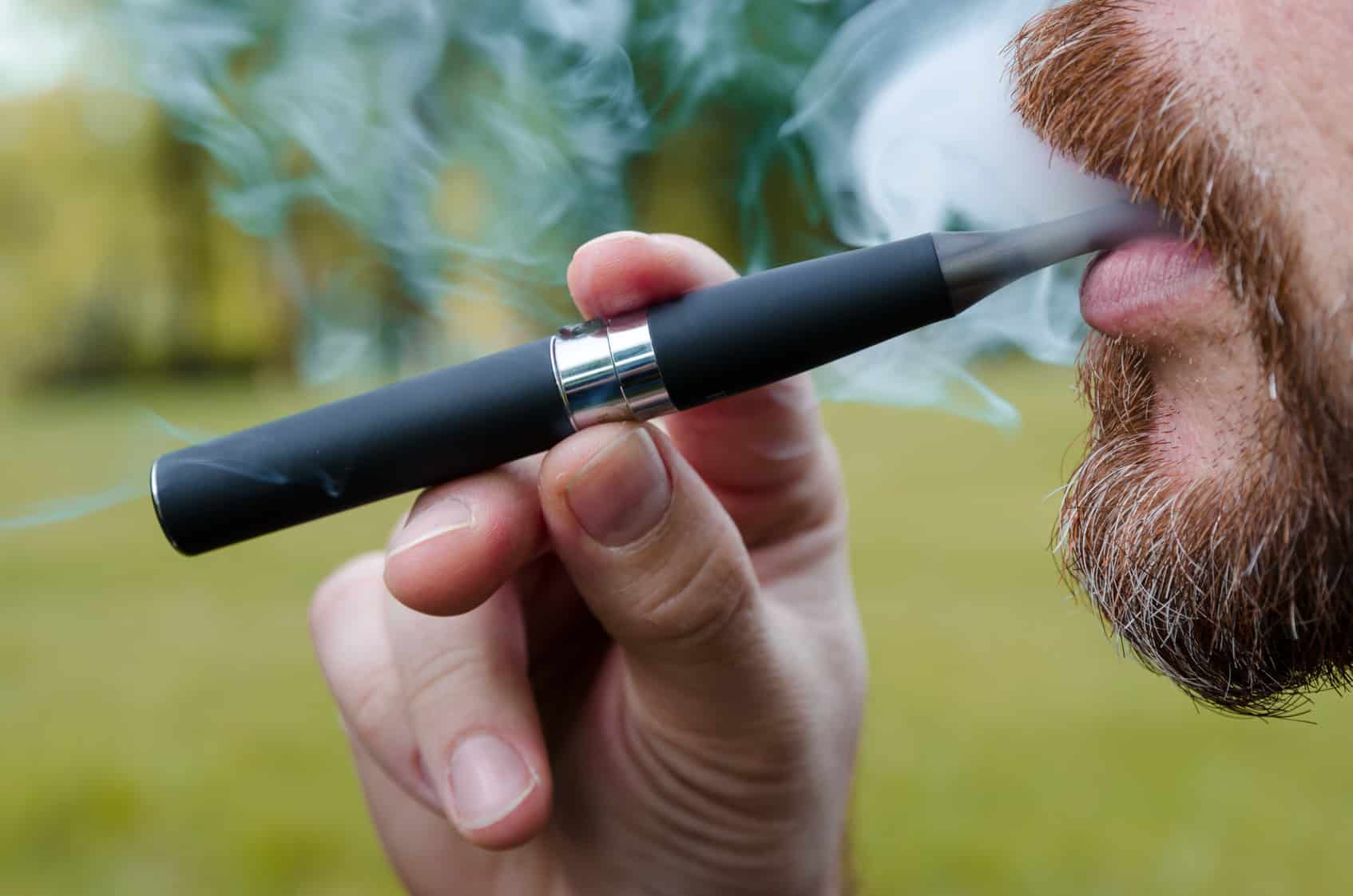
Smoking or vaping following wisdom tooth extraction can slow recovery and raise the likelihood of complications such as dry socket.
Wisdom tooth removal is a routine operation, but your post-operative care has a big impact on how well and how quickly you recover.
Most guidance suggests refraining from smoking or vaping for at least 3 days after extraction, and preferably longer when possible.
The more time you allow before returning to smoking or vaping, the better the outcome for your mouth and the healing of the extraction site.
Why do clinicians advise waiting?
Clinicians urge patients to steer clear of smoking or vaping after wisdom tooth removal for several important reasons:
- Risk of dry socket: Nicotine reduces blood flow and interferes with clot formation, increasing the risk of dry socket. Dry socket occurs when the blood clot is lost from the extraction site, causing intense pain and exposed bone.
- Slower healing: Smoking brings toxins into the mouth that can inflame the surgical area, impair tissue repair, and prolong recovery time.
- Lowered blood flow: Nicotine’s vasoconstrictive action reduces blood supply, depriving tissues of oxygen and nutrients essential for healing.
- Compromised immune function: Smoking can impair immune defenses, increasing the chance of infection and complicating recovery.
A small 2019 study looked at how smoking affects recovery after minor oral surgery. The results indicated that smokers experienced more pain during recovery than nonsmokers.
Smokers also showed more immediate bleeding after surgery and had increased swelling on the second postoperative day. Infections were somewhat more frequent among smokers, though this difference did not reach statistical significance.
A small 2022 review reported that smokers had over three times the risk of dry socket compared with nonsmokers. Specifically, the overall incidence of dry socket in smokers was about 13.2%, versus roughly 3.8% in nonsmokers.
What about other tobacco or cannabis products?
Experts typically advise against using a range of nicotine and smoking products because they delay healing, constrict blood vessels, and raise infection risk. Avoid inhaling any smoke—including herbal cigarettes—since it can irritate the surgical area, impede recovery, and heighten the chances of dry socket or infection.
Products to avoid:
- cigarettes
- vapes
- cigars
- chewing tobacco
- nicotine gum and pouches
- cannabis
- herbal cigarettes
- hookah
If completely abstaining from nicotine or tobacco for 3 days is difficult, nicotine patches may be a safer choice than smoking. Patches don’t bring heat or smoke into the mouth.
Keep in mind, however, that all forms of nicotine can hinder healing to some extent, including patches. Check with your healthcare provider for tailored recommendations.
How can you tell if you have dry socket or another complication?
After a tooth extraction, watch for signs that could indicate complications like dry socket or infection. Key symptoms to monitor include:
Dry socket signs
- Severe pain: Pain that begins a few days after the extraction and becomes very intense.
- Empty-looking socket: A visible empty or partially empty socket suggests the blood clot has been lost or dislodged.
- Bad taste or breath: Often accompanied by a foul odor or taste in the mouth.
- Radiating pain: Pain on the same side as the extraction that may spread to the ear, eye, temple, or neck.
Serious complications
- Infection: Signs include worsening pain, growing swelling, skin discoloration, or pus draining from the extraction site.
- Excessive bleeding: Bleeding that doesn’t stop with pressure or that increases significantly after the first day.
- Fever: A persistent fever above 100.4°F (38°C).
If you suspect dry socket or any other problem, contact your dentist promptly. They can assess the situation and offer appropriate care, which might involve cleaning the socket, placing medicated dressings, or prescribing antibiotics.
If you develop severe symptoms—such as high fever, heavy bleeding, or intense pain—and cannot reach your dentist, you may need to seek emergency care.
The bottom line
Following wisdom tooth extraction, health professionals strongly recommend avoiding smoking or vaping because of the substantial risks to healing.
Nicotine and other chemicals in tobacco products can slow recovery, increase infection risk, and contribute to complications like dry socket.



















Leave a Reply
You must be logged in to post a comment.