

Many caregivers find pacifiers — also called pacis, binkies, or dummies depending on your region — to be a godsend. Besides helping infants calm themselves, they’re a handy fix for little ones who constantly want to suck on something.
That said, prolonged pacifier use can sometimes lead to dental concerns. Knowing how these soothing aids may affect oral development can help families prevent what’s commonly referred to as “pacifier teeth.”

Why pacifiers (and thumbs) can be helpful
Although thumb-sucking and pacifier use sometimes get criticized because of dental risks, they do offer advantages. Specialists point out four main benefits of pacifiers — and even thumbs.
1. Helping babies self-soothe
Pacifiers are excellent tools for self-soothing in infants. They can be especially useful when you’re fatigued and need a brief break from holding your child.
Often a pacifier will calm a baby enough for you to take care of other tasks — whether it’s grabbing a quick bite to eat or simply pausing to take a breath.
2. Assisting in the weaning process
If you’re planning to wean a nursing infant, offering a pacifier can be a helpful transition that makes weaning easier for the baby.
Keep in mind it’s usually best to wait until nursing is well-established before introducing a pacifier to a newborn — typically around 3 to 4 weeks after birth.
3. Lowering SIDS risk
One notable health advantage of pacifier use is its association with a reduced risk of sudden infant death syndrome (SIDS).
Organizations including the American Academy of Pediatrics (AAP) recommend offering a pacifier when placing infants down for sleep. (Do not attach pacifiers to clothing, stuffed animals, or straps, as these can pose strangulation or suffocation hazards.)
4. Relieving discomfort in preterm infants
Similar to self-soothing, pacifiers can ease feeding-related discomfort for some nursing infants.
A notable 2012 Turkish research conducted in NICUs between 2007 and 2009 found that premature babies given pacifiers progressed more quickly from tube feeding to breastfeeding and were discharged sooner than preemies who weren’t offered pacifiers.
That said, preterm infants in NICUs are different from healthy newborns at home. Don’t give pacifiers to babies who aren’t feeding well unless your pediatrician or lactation consultant suggests it.
Dental problems linked to pacifier use
Despite their benefits, pacifiers can contribute to dental problems — especially when used for too long. Most oral issues tied to pacifiers arise from extended use beyond infancy.
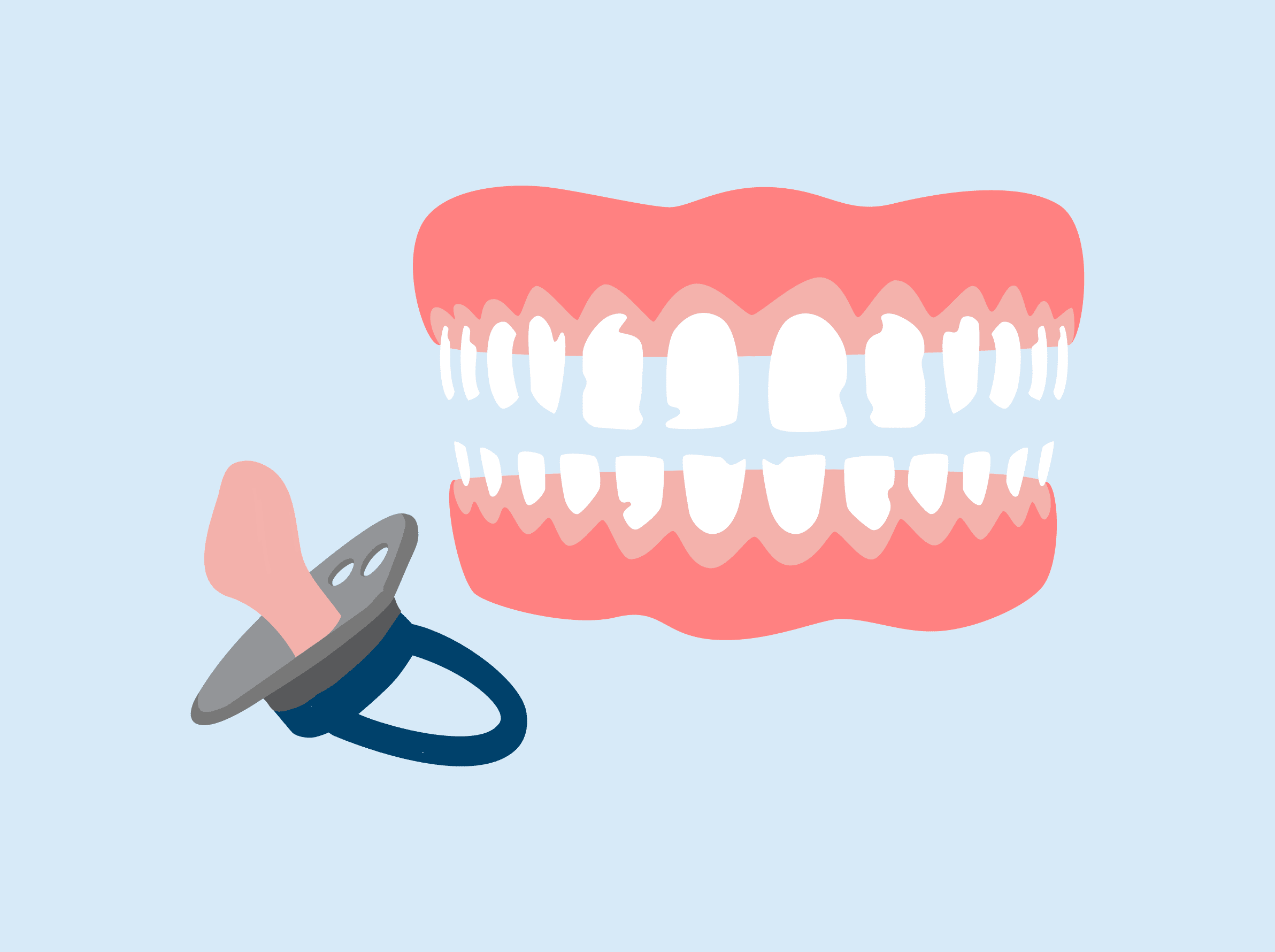
Misaligned bites
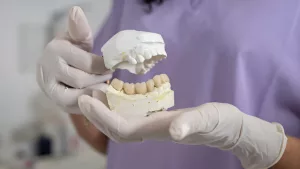
A widely recognized risk of prolonged pacifier use is bite misalignment, including crossbites, open bites, and other malocclusions.
These problems are more likely when older children are still using pacifiers. Ongoing sucking can push teeth out of position and even alter the shape of the palate to accommodate the repeated presence of an object in the mouth.
For instance, a 2001 study showed malocclusion in almost 71 percent of children who continued pacifier use or thumb-sucking past age 4.
By comparison, only 36 percent of children who quit between ages 3 and 4 had malocclusion, and just 14 percent who stopped by 24 months showed the condition.
Gum recession and cavities
In severe cases, pacifier habits have been associated with gum recession and early childhood cavities.
However, such problems commonly occur when caregivers dip pacifiers in sugary substances to entice babies. Exposing baby teeth and gums to sugar fosters plaque and increases cavity risk.
How to use pacifiers without creating pacifier teeth
Pacifiers need not be feared if you maintain good hygiene and know when to phase them out.
Don’t share
Avoid sharing pacifiers among children. Beyond being unappetizing, swapping pacifiers can transfer bacteria that raise the chance of cavities or infections.
Keep them sugar-free
Resist the urge to dip a pacifier in something sweet to make it more appealing. Repeated exposure to sugar on gums and baby teeth can quickly lead to cavities.
Choose the proper size
Modern pacifiers come in size ranges, usually labeled by age. Selecting the correct size helps prevent using one that’s too large for your infant.
Also ensure the shield is large enough so the entire pacifier cannot be drawn into your baby’s mouth, which would create a choking hazard.
Think about orthodontic designs
If you’re worried about bite issues, consider orthodontic pacifiers. These have a flatter nipple shape designed to support better jaw alignment during sucking.
Still, evidence is limited that orthodontic pacifiers reduce dental problems. Many pediatric dentists recommend them, but the most reliable way to avoid dental issues is to wean your child at the appropriate age.
When to stop pacifier use
Using a pacifier past about 24 months increases the likelihood of dental problems, though timing varies by family and child.
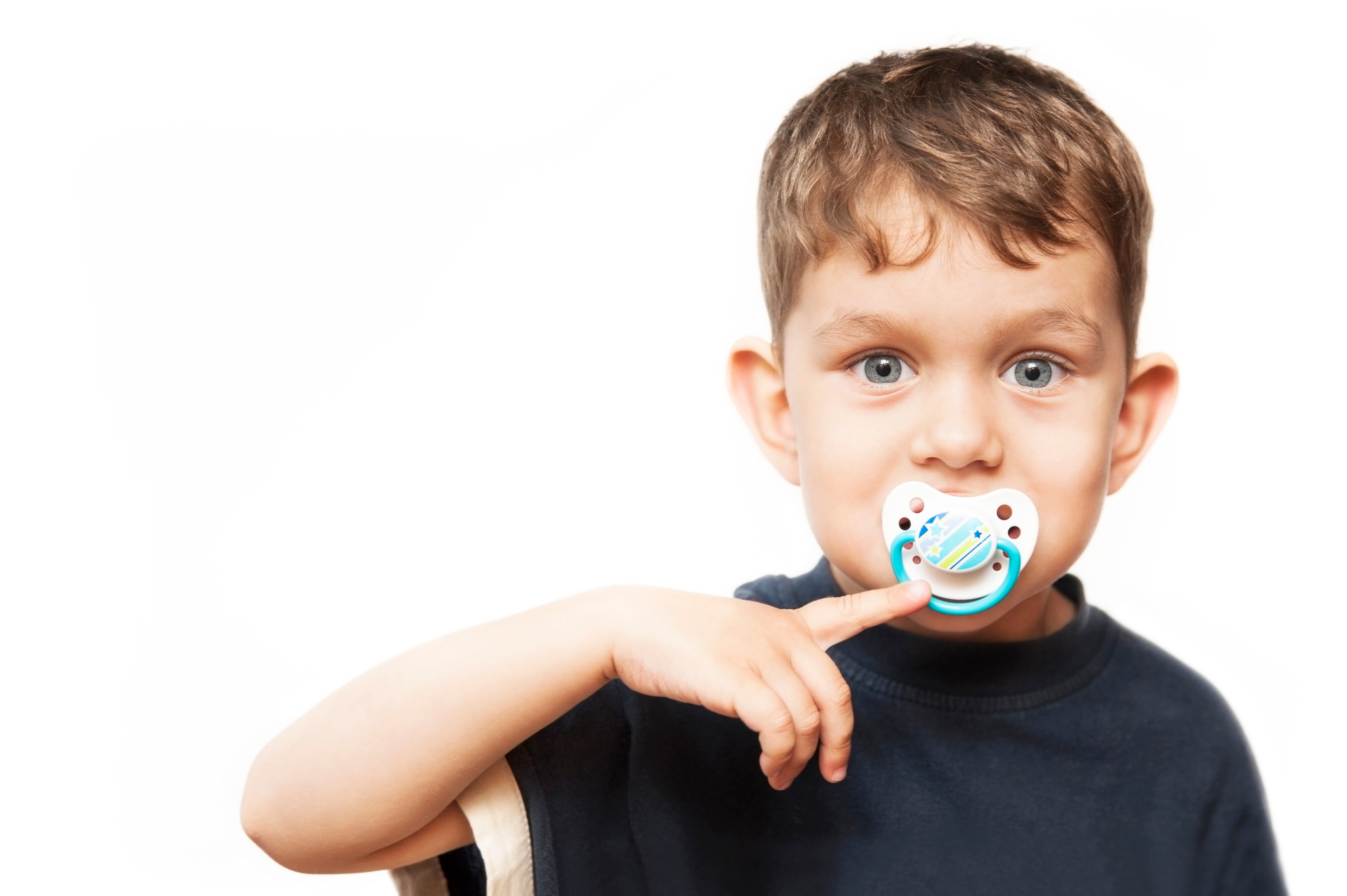
Some clinicians advise cutting back between 6 and 12 months because of a higher risk of otitis media (ear infections), a stance supported by the AAP and the American Academy of Family Physicians in 2009 guidance.
The AAP has more recently noted that pacifier use beyond age 2 may affect baby teeth but that many issues reverse if the sucking stops before permanent teeth emerge.
The American Academy of Pediatric Dentistry recommends discontinuing pacifier use after age 3.
Consensus: by age 4, children should no longer be using pacifiers, as the risk of lasting dental problems is higher.
Treating pacifier-related dental changes
Parents often ask whether pacifier-related dental changes will correct themselves.
The outcome varies. Pediatric dental professionals don’t fully agree, but many believe the timing of weaning affects how permanent the changes become. If a child stops sucking before 24 months, dental irregularities often self-correct within about six months, possibly avoiding any dental treatment.
In children older than 24 months, lingering pacifier-related issues may require orthodontic appliances to fix. This is particularly true for kids aged 4 and up when adult teeth begin forming beneath baby teeth.
Thumb-sucking: better or worse?
From a dental perspective, intense thumb-sucking can be just as damaging to a child’s bite as pacifier use.
Children who continue sucking their thumbs beyond age 4 are at similar risk for the same dental complications as prolonged pacifier users.
Summary
There’s no need to immediately discard pacifiers — they’re a helpful tool during infancy. But to reduce the chance of dental problems, aim to wean pacifier use after about 24 months and certainly by 48 months, so that potential issues won’t require orthodontic correction.


















Leave a Reply
You must be logged in to post a comment.