

Orthodontic spacers
Getting braces is a common approach to correct misaligned teeth and properly adjust your bite.
Before braces can be applied, your mouth needs to be prepared. One technique your orthodontist may use to ready your teeth for the braces hardware is placing spacers between selected teeth.
If spacers are required, they won’t stay in place for long, but it’s important to look after them while they’re in your mouth.
Does everyone need spacers before braces?
The majority of people receiving traditional braces will need spacers, also known as orthodontic separators.
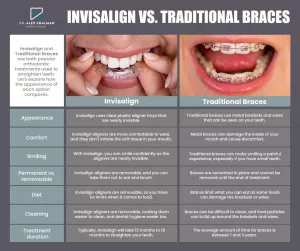
Traditional braces consist of brackets bonded to the tooth surfaces and linked by archwires.
These wires are attached to metal bands — ring-like pieces — placed around some of your rear teeth. Those back teeth are frequently positioned very close together.
Spacers are used to generate a small gap between certain teeth, typically molars, so your orthodontist can fit metal bands around those teeth.
Types of spacers
Spacers can be made from a variety of materials. The most common spacer varieties include:
- Rubber spacers. These are basically tiny rubber bands placed between molars to create slight separation.
- Metal spacers. These resemble small metal rings.
Spacers are an initial step in the braces process, so their cost is included in the overall braces fee. According to American Dental Association survey data, full orthodontic treatment with braces generally costs roughly $5,000 to $7,000.
Different payment options exist. If you have dental insurance, verify whether orthodontic care is covered and what portion of the total you’d be responsible for.
You might also be able to use money from a flexible spending account or health savings account. Many orthodontic practices provide payment plans to help distribute the expense.
How spacers are inserted

If spacers are needed, they’re typically placed about a week before the braces go on.
To insert rubber spacers, the orthodontist uses a small instrument or dental floss to stretch each spacer first. Then, with your mouth open, they will maneuver each spacer into place between your molars.
As the spacer is positioned near the gumline, you may sense pressure and a pinching feeling.
How spacers are removed
Removing spacers is a straightforward procedure that shouldn’t take long. Your orthodontist will simply pop them out with a small instrument. If the spacers have created the intended gap, they should come out without much difficulty.
Do spacers hurt more than braces?
Pain varies among individuals. One person might find spacers very uncomfortable, while another may experience only mild irritation.
Pain is a frequent complaint for people who wear braces and for those who receive spacers beforehand. Fortunately, the discomfort typically eases with time.
Research indicates that it improves fairly quickly. A 2015 study of 62 adolescents examined pain after spacer placement and found the first two days were the most uncomfortable.
Still, you may remain aware that something is lodged between your back teeth. The feeling of an object caught may persist.
If you experience pain, your orthodontist may recommend an over-the-counter pain reliever like acetaminophen (Tylenol) to ease the discomfort.
Rinsing with warm salt water (1 tsp. salt in 8 oz. of water) three to four times daily can also help soothe soreness.
What to eat with spacers
Orthodontists usually advise people with braces to avoid certain foods — typically hard or sticky items, such as:
- candies like toffee, caramel, and gummy bears
- chewing gum
- foods that demand a lot of chewing, such as steak
It’s wise to avoid these same foods while spacers are in place. Consider it practice for life with braces. Also, take care to avoid anything that might cause braces stains once your braces are fitted.
How to brush and floss your teeth with spacers
If you’re unsure how to brush and floss while wearing spacers, the answer is: very gently and deliberately.
Begin by rinsing your mouth with water. Then carefully brush all tooth surfaces with a soft-bristled toothbrush, giving extra attention to the back teeth. Rinse again after brushing.
You can floss afterward, but avoid flossing in the exact spots where spacers sit, as you might accidentally dislodge one.
Other precautions
While wearing spacers, the key precautions are watching your diet and being cautious during oral hygiene. Don’t pick at or pull on the spacers to prevent accidentally knocking one out.
What to do if spacers for braces fall out
Spacers (separators) are temporary. If things go as planned, they’re in place for a week or two before your orthodontist removes them and fits metal bands around your back teeth.
If a spacer falls out before your next visit, contact your orthodontist promptly. They may put a replacement in, or they might decide enough space has already been created.
Takeaway
Spacers are an initial step toward achieving straighter, better-aligned teeth. They’re temporary devices meant to prepare your back teeth for the bands that will soon be attached.
If you have any issues with your spacers, call your orthodontist. In the meantime, treat your teeth gently and follow their care instructions to ensure a smooth transition to braces, whether you later choose traditional metal bands or consider ceramic braces.


















Leave a Reply
You must be logged in to post a comment.