

Heavy cream and whipping cream are both high-fat dairy products that are often used interchangeably, yet they differ in their fat percentages. Heavy cream contains a bit more fat than whipping cream.
:strip_icc()/RM-BHG-what-is-heavy-whipping-cream-6747302-hero-01-5986-e11803a75bf54c9aad480f7cd64be619.jpg)
Have you ever followed a recipe calling for heavy cream only to find you have whipping cream and wondered if it would work as a substitute?
Both heavy and whipping cream share many characteristics, with the primary distinction being their fat content.
This article examines both varieties to clarify what differentiates them, whether they fit into a keto diet, and if they can be swapped in recipes.
Two high-fat dairy options
Heavy cream and whipping cream are homogenized preparations of milk and milk fat, meaning the fat is emulsified and thoroughly blended into the milk so it doesn’t separate.
Producers create them by adding specific amounts of milk fat to milk; thus, their chief difference is how much fat each contains.
Per Food and Drug Administration labeling rules, heavy cream must contain at least 36% milk fat. It’s sometimes labeled heavy whipping cream (1).
By comparison, whipping cream has a slightly lower milk fat percentage, between 30% and 36%. It may also be marketed as light whipping cream (2).
Summary: Heavy cream and whipping cream are both made by blending milk and milk fat. The key difference is that heavy cream contains a higher fat proportion than whipping cream.
Nutritional profiles
Aside from fat levels, heavy cream and whipping cream have nearly identical nutritional makeups. Differences in calories mainly reflect the fat disparity.
Below is a comparison for 1 tablespoon (15 mL) of heavy cream versus the same amount of whipping cream (3, 4):
| Heavy cream | Whipping cream | |
|---|---|---|
| Calories | 51 | 44 |
| Fat | 5.4 grams | 4.6 grams |
| Protein | 0.4 grams | 0.3 grams |
| Carbs | 0.4 grams | 0.4 grams |
| Sugar | 0.4 grams | 0.4 grams |
Both creams are notable sources of saturated fat.
Although diets high in saturated fat have been linked to increased cardiovascular risk, the role of saturated fats is currently being reevaluated.
Some studies indicate that neither low-fat nor full-fat dairy — including cream — elevates heart disease risk (5, 6, 7, 8).
Still, both are calorie-dense items with limited micronutrient value, so it’s wise to enjoy them sparingly.
Additionally, heavy and whipping cream supply fat-soluble vitamins like A and E.
However, typical serving sizes are small, so you’re unlikely to obtain substantial amounts of these vitamins from cream alone.
Summary: Because of its greater fat content, heavy cream contains more calories than whipping cream. Otherwise, their nutritional profiles are quite similar. The saturated fat in these creams hasn’t been definitively linked to higher heart disease risk.
Are they keto-friendly?
The ketogenic diet is a very-low-carbohydrate eating plan. It restricts carbs to about 20–50 grams per day and derives roughly 70% or more of calories from fats (9).
Consequently, keto-appropriate foods are usually high in fat and low in carbohydrates.
Some people on keto limit or avoid dairy, since milk contains lactose, a natural sugar. Many ice creams and some yogurts also include added sugars.
Yet some dairy items — for example butter, ghee, and some aged cheeses — are very low in lactose and therefore fit within a keto framework.
With about 1.75 grams of carbs per 1/4 cup (59 mL), both heavy and whipping cream are compatible with keto diets (3, 4).
Because of this, many on keto use whipping or heavy cream as a sugar-free coffee creamer or to prepare keto desserts like chocolate mousse.
Bear in mind that some brands may add sugars to their cream, so always read labels to be sure.
Summary: Both heavy and whipping cream are high in fat and low in carbs, making them suitable for a ketogenic diet.
Can they be swapped in recipes?
In short: yes.
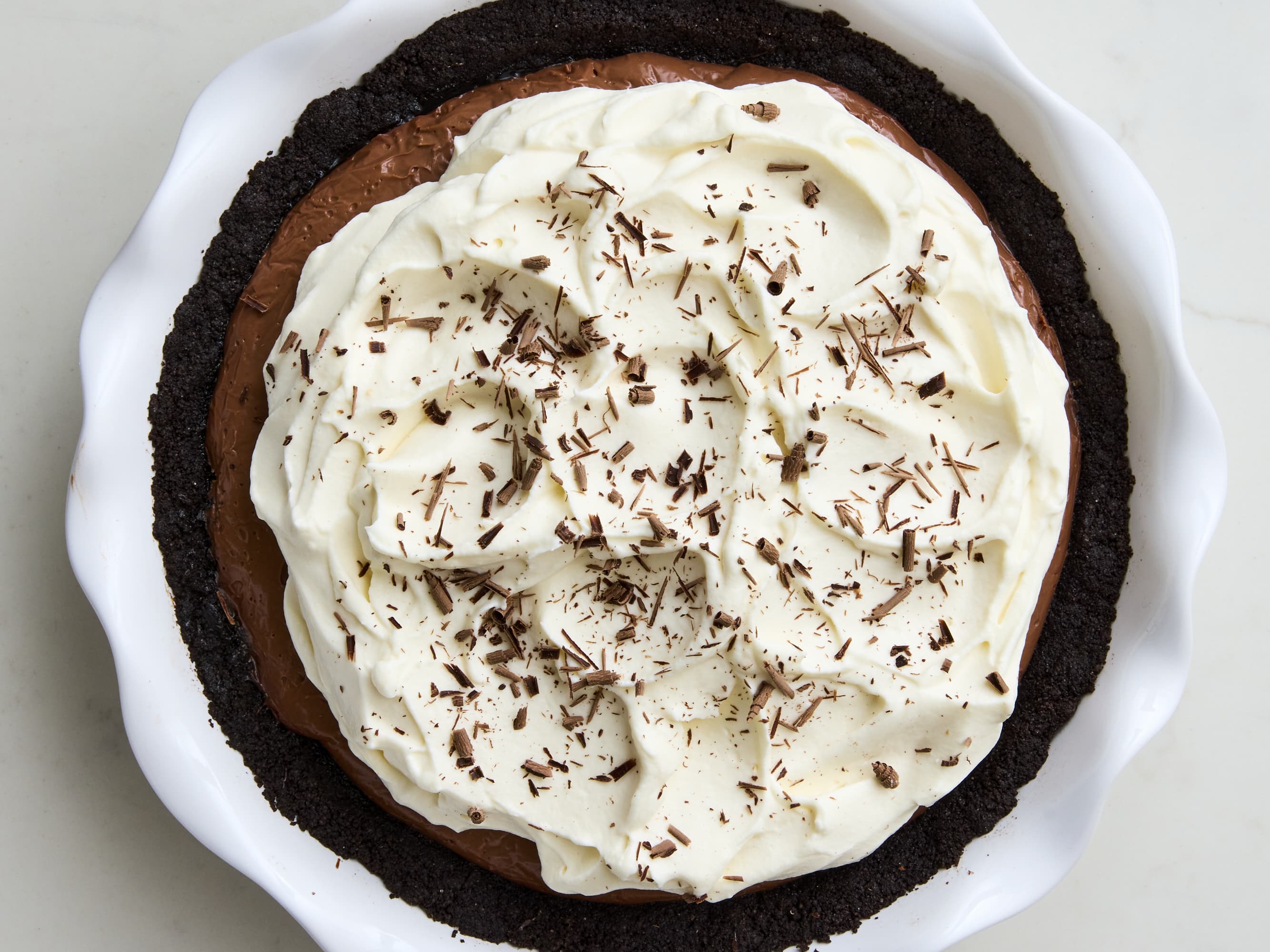
They are similar enough in flavor to be used interchangeably. However, which one you choose should depend on the texture you want in the final dish.
Because heavy cream has more fat, it yields richer, denser results, whereas whipping cream produces a lighter creamy texture.
For example, both can be used to make whipped cream. Heavy cream whips into a firmer texture that holds peaks well, while whipping cream forms a softer, airier topping that won’t maintain stiff peaks as readily.
Heavy cream is commonly used in both savory and sweet recipes. For savory dishes, heavy cream is ideal for:
- quiche
- Alfredo sauce
- scalloped potatoes
- creamy mac and cheese
On the sweet side, heavy cream is often used to prepare:
- ice cream
- chocolate ganache
- cake frostings
Conversely, whipping cream is mainly reserved as a lighter topping for desserts like fruit salads and pies.
Summary: Heavy and whipping cream can be substituted for one another in cooking, though the choice will affect the dish’s texture. Heavy cream generally yields a thicker, more luxurious consistency than whipping cream.
The bottom line
Heavy cream and whipping cream are two similar, high-fat dairy items produced by blending milk with milk fat.
Their principal difference is fat content: heavy cream contains a touch more fat than whipping cream. Otherwise, their nutritional profiles are very much alike.
You can swap them in most recipes without changing the flavor, although the texture of your dish may vary.
Heavy cream usually creates a denser, creamier result and is used in both sweet and savory dishes. Whipping cream gives a lighter texture and is commonly used for sweet toppings.
Both are low in carbs, so they fit into a keto diet—just verify that the product you choose doesn’t have added sugars.
Just one thing
Try this today: If you’re out of heavy or whipping cream, you can make a simple homemade heavy cream substitute as follows:
- Melt 1/3 cup (73 grams) of butter in a small saucepan.
- Stir in 2/3 cup (160 mL) of whole milk.
- Mix over medium-low heat until well combined.






















Leave a Reply
You must be logged in to post a comment.