

Making up as much as 60% of the average adult human body, water is essential for survival.
It helps control body temperature, ferry nutrients, support the structure of cells and tissues, and remove waste products.
With many types of water sold today, you might ask whether some of these beverages contain calories.
This piece explains whether plain water and various other water products contain calories and offers guidance on how much water you should aim to drink each day.
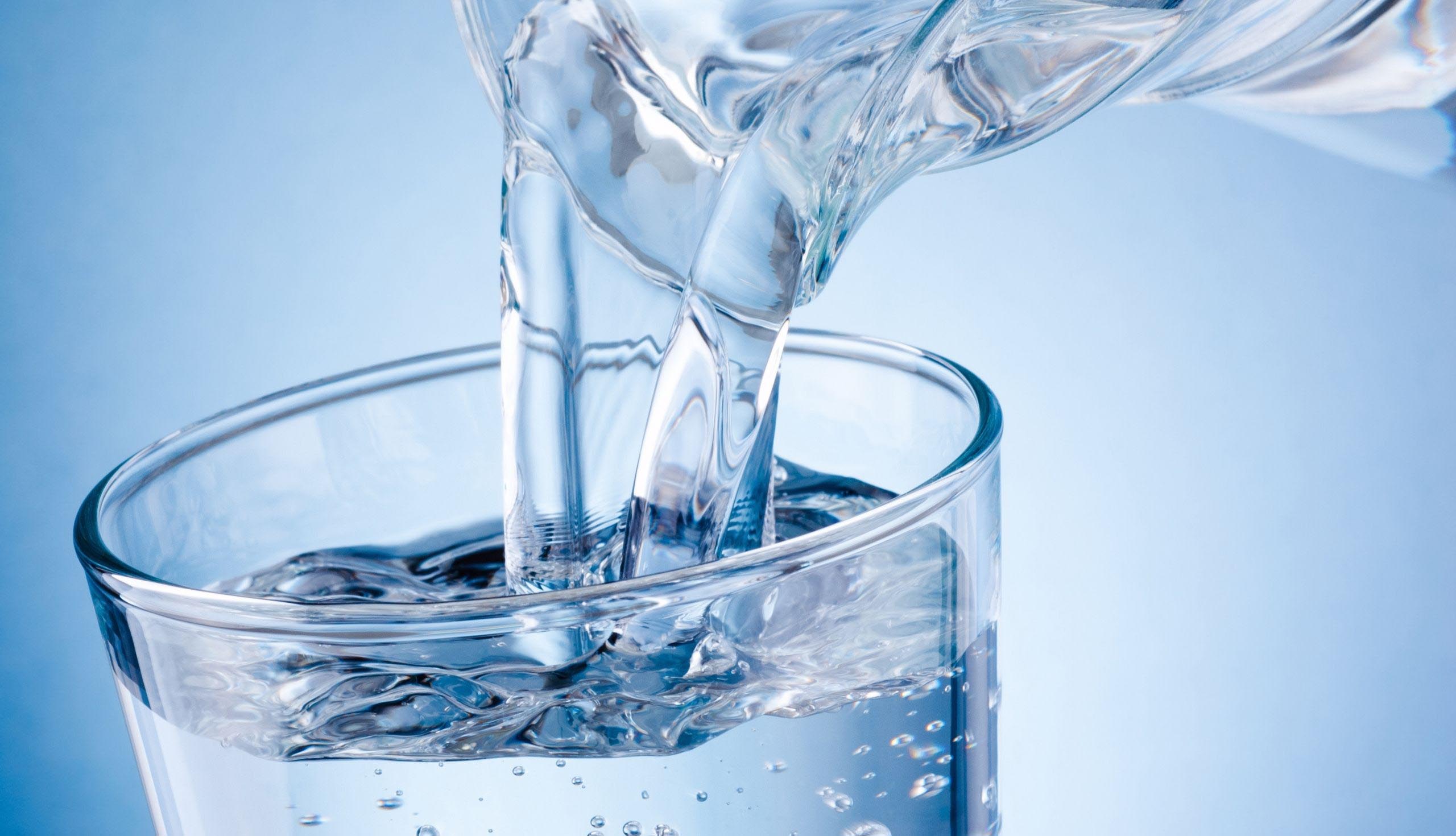
Plain water
Plain water contains no calories.
Calories come from three macronutrients in your diet — carbohydrates, fats, and proteins. Alcohol, though not classified as a nutrient, also provides calories.
Because plain water lacks these macronutrients, it does not supply calories.
However, it does include trace minerals such as calcium, magnesium, sodium, zinc, and copper (1).
In fact, one study suggested that consuming about 68 ounces (2 liters) of water daily could provide adults with roughly 8–16% of their Daily Value (DV) for calcium and 6–31% of their DV for magnesium (2).
In the United States, fluoride is often added to public water supplies to help prevent tooth decay (3).
Summary: Plain water has zero calories but contains small amounts of minerals like calcium, magnesium, sodium, zinc, and copper. In some regions, fluoride is added to reduce dental cavities.
Some varieties may have calories
If you find plain water bland, you may opt for flavored or fizzy versions.
While some of these are calorie-free, others contain small to moderate calorie amounts.
Carbonated waters
Carbonated water — also called club soda, seltzer, sparkling water, or tonic water — contains carbonic acid created when carbon dioxide dissolves in water.
This is responsible for the characteristic fizz and slight tang.
Carbonated options can be plain or enhanced with natural flavors or minerals to improve taste.
Generally these are calorie-free, but tonic water is commonly sweetened with sugar.
For instance, a 12-ounce (355-ml) serving of tonic water can contain about 124 calories and 32 grams of added sugar, though values vary by brand (4).
Diet or zero-calorie versions of tonic water, however, contain no calories.

Fruit-infused or fruit-flavored waters
Fruit-infused waters are made by steeping sliced fruits and herbs in water for several hours.
Typical combinations include:
- blueberry and mango
- cucumber and orange
- grapefruit and rosemary
- raspberry and lime
- strawberry, lemon, and basil
- watermelon and mint
Even if you consume the fruit afterwards, drinking these infused waters delivers only minimal calories, since the fruits used are generally low in calories.
Additionally, water-soluble vitamins like vitamin C may leach from the fruit into the water, adding small amounts of nutrients.
Lemon water — simply water mixed with fresh lemon juice — is another common option. The juice of a whole lemon provides about 11 calories (5).
By contrast, commercially sold fruit-flavored waters can be sweetened with sugar or fruit concentrates and therefore contain more calories, so checking the nutrition facts is advisable.
Protein waters
Protein water contains whey protein isolate, a concentrated source of protein.
These beverages have grown in popularity for people seeking convenient ways to boost protein intake. Increasing evidence indicates protein supports weight management, immune function, and healthy aging (6, 7, 8).
Protein waters serve as low-calorie, high-protein alternatives to traditional protein shakes.
Per bottle, these products commonly provide about 70–90 calories and 15–20 grams of protein. They’re typically flavored and sweetened with natural flavorings or noncaloric sweeteners such as stevia (9, 10).
Summary: Tonic waters supply calories via added sugar, and protein waters contribute calories from protein. Fruit-infused waters are usually very low in calories, but some commercially sweetened varieties are not calorie-free.
How much water should you drink each day?
There is no universal prescription for the amount of water you must drink daily.
Your requirements vary based on climate, activity level, diet, body size, and age (11).
Still, the National Academy of Medicine offers general guidance for daily total water intake (12):
- Women: about 91 ounces (2.7 liters) of total water per day
- Men: about 125 ounces (3.7 liters) of total water per day
These amounts encompass water from all beverages and foods.
Approximately 80% of total fluid intake tends to come from drinks, while the other 20% comes from food (12).
Foods with high water content include fruits and vegetables such as watermelon, citrus fruits, cucumbers, and tomatoes.
Caffeinated beverages like coffee and tea also add to fluid intake when consumed in moderation, although their caffeine can have mild diuretic effects (13, 14).
For related information about fluctuations in weight due to fluids versus fat, see water weight vs fat.
Summary: The amount of water you need daily depends on factors like climate, activity, diet, body size, and age.
The bottom line
Water is crucial for regulating body temperature, aiding digestion, cushioning joints, eliminating waste, and facilitating nutrient uptake.
Plain water has no calories, whereas some bottled waters such as tonic or protein waters add calories to your diet. When uncertain, check the nutrition label for calorie details.
Daily fluid needs differ among individuals but can be satisfied through a mix of beverages and water-rich foods.























Leave a Reply
You must be logged in to post a comment.