

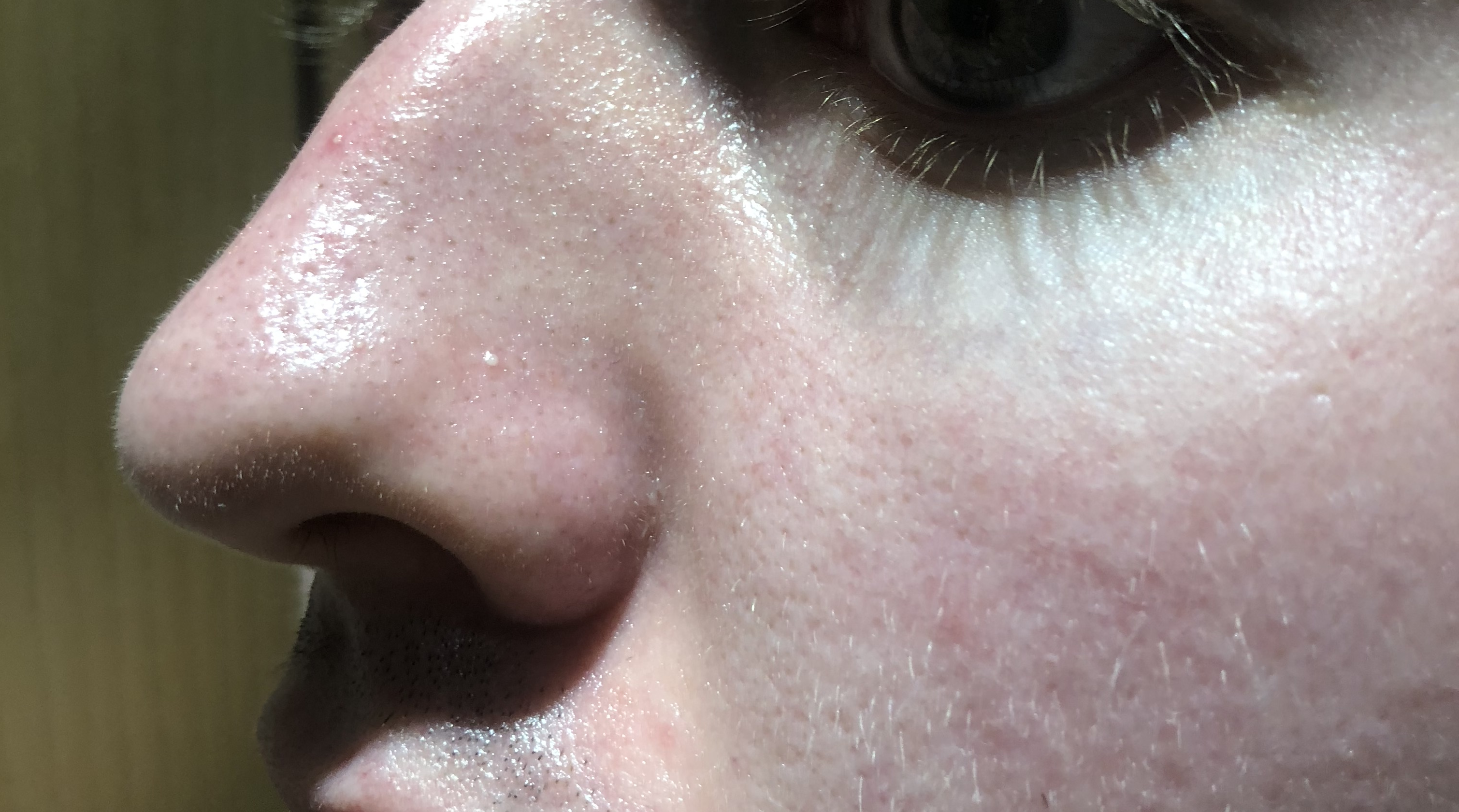
An oily nose is a frequent concern. Excess shine happens when the sebaceous glands on your nose produce more sebum than necessary. Sebum is a natural oil that protects and lubricates the skin.
If your overall skin type is oily, the skin on your nose may secrete noticeably more oil because pores there are often larger than pores elsewhere on the face.
Pore diameter is largely hereditary. While you can’t change the genetic structure of your pores, you can take measures to limit how much sebum your nose releases.
Remedies for an oily nose
Below are 15 strategies to help manage an oily nose:
1. Pick makeup made for your skin type
When selecting foundation and other cosmetics, opt for products tailored to oily skin. These are usually oil-free and formulated not to clog pores.
Using makeup intended for dry or combination skin can sometimes increase oiliness, making an already shiny nose worse.
2. Cleanse your face at least twice daily
Make a habit of washing your face in the morning and before bed to remove makeup, dirt, and excess oils from your nose. Use a gentle cleanser and warm—not hot—water.
3. Apply a moisturizer
After cleansing, use an oil-free moisturizer. This helps keep your nose hydrated while balancing surface oil. Seek moisturizers with oil-absorbing ingredients such as oatmeal.
4. Exfoliate regularly
Exfoliation removes dead skin cells and allows other skincare products to penetrate better. A buildup of dead skin on the nose can create dryness, prompting sebaceous glands to ramp up oil production.
5. Use an oil-free primer
Primer, available as a cream or gel, creates a smooth base for makeup and helps absorb excess oil on the nose and face, also reducing the look of pores. Choose an oil-free formula that won’t add more oil to your skin.
Shop for oil-free primers online.
6. Use oil mattifiers
An oil mattifier can reduce a naturally shiny complexion. Apply it prior to moisturizer and foundation. It soaks up extra oil and produces a matte result.
Shop for oil mattifiers online.
7. Treat acne with salicylic acid
Oily skin often goes hand-in-hand with acne. Salicylic acid can be an effective option — it helps with breakouts and can lessen oil on the nose. This ingredient appears in many facial cleansers and acne treatments; it exfoliates, unclogs pores, and removes surplus sebum.
8. Keep oil-blotting sheets handy
Carry blotting sheets and gently press them to your nose throughout the day to remove oil. These sheets are typically coated to absorb excess sebum.
Shop for oil-blotting sheets online.
9. Choose noncomedogenic sunscreen
Sunscreen protects skin from UV damage and lowers cancer risk, but some sunscreens contain oils that can clog pores and add shine. Opt for noncomedogenic sunscreens that won’t block pores.
Shop for noncomedogenic sunscreen online.
10. Don’t skip toner
Your routine should include more than just a gentle cleanser and moisturizer—use an alcohol-free toner to help reduce the appearance of enlarged nose pores. This temporary measure can also curb oil production.
11. Incorporate clay masks
Add a clay mask to your regimen a few times each week. Clay masks often contain ingredients like bentonite and salicylic acid that pull oils from pores.
12. Use a gentle soap to cleanse
Wash your face with mild soap. Harsh cleansers and fragranced soaps can overdry the skin, prompting sebaceous glands to produce more oil in response.
13. Monitor your diet
Your diet influences your skin more than you might think, particularly spicy foods. Such meals dilate blood vessels and increase perspiration, amplifying the look of a shiny nose. Try to limit spicy dishes to about once a week.
14. Stay well hydrated
Maintaining hydration helps reduce excess sebum production. When skin becomes dry, glands compensate by generating more oil. Drink sufficient water and consider misting your skin with primer water to fight dryness.
15. Use a honey mask
Honey offers antibacterial and antiseptic qualities that may help with acne and controlling oil. Rub raw, natural honey onto your nose, leave it for about 10 minutes, then rinse off.
Professional treatments for an oily nose
If home care doesn’t help, consult a dermatologist about professional options. Possibilities include:
- Microdermabrasion. This minimally invasive procedure gently removes dead surface skin cells on the face, including the nose. It can improve scars and fine lines and may help control oil production.
- Chemical peel. Chemical peels resurface skin by removing the top layer of dead skin on the nose. They can lessen discoloration, scars, and fine lines, and improve acne and oiliness.
- Prescription creams. A dermatologist can prescribe topical treatments to reduce pore appearance and limit oil formation. If hormones are driving oily skin, a low-dose oral contraceptive might help regulate sebum levels.
Preventing an oily nose
Follow these recommendations to reduce excess sebum on your nose:
- Wash your face daily with a gentle cleanser. Use a clay mask several times a week.
- Apply moisturizer and toner after cleansing to restore hydration and reduce pore visibility.
- Avoid heavy makeup and always remove makeup before sleeping.
- Choose oil-free makeup that won’t add extra shine.
- Exfoliate to remove dead skin cells and prevent dryness.
- Steer clear of harsh, perfumed skincare products that strip natural moisture.
- Cut down on spicy foods.
- Refrain from touching your face, which transfers oils from your hands to your nose.
What causes a nose to become oily?
Several factors can make sebaceous glands overactive.
- Hot, humid climates can trigger more sebum production in some people.
- Hormonal changes influence gland activity. Men generally have higher testosterone and often oilier skin; some women notice increased oil around ovulation.
- Your skincare habits can play a role. Inadequate moisturization leads to dehydration, which can cause the nose to produce more oil.
- Over-cleansing can strip natural oils, especially when washing with very hot water, prompting glands to overcompensate.
- Sometimes the reason is genetics. If you inherit larger pores, expect more sebum on the nose.
Takeaway
Even if you’re predisposed to an oily nose, these straightforward tips can help curb sebum production and reduce greasy shine. The key is to understand what drives oiliness for your skin and to identify your personal triggers.
For related tips, you may also find helpful information on oily hair remedy and solutions for redness around nose.






















Leave a Reply
You must be logged in to post a comment.