
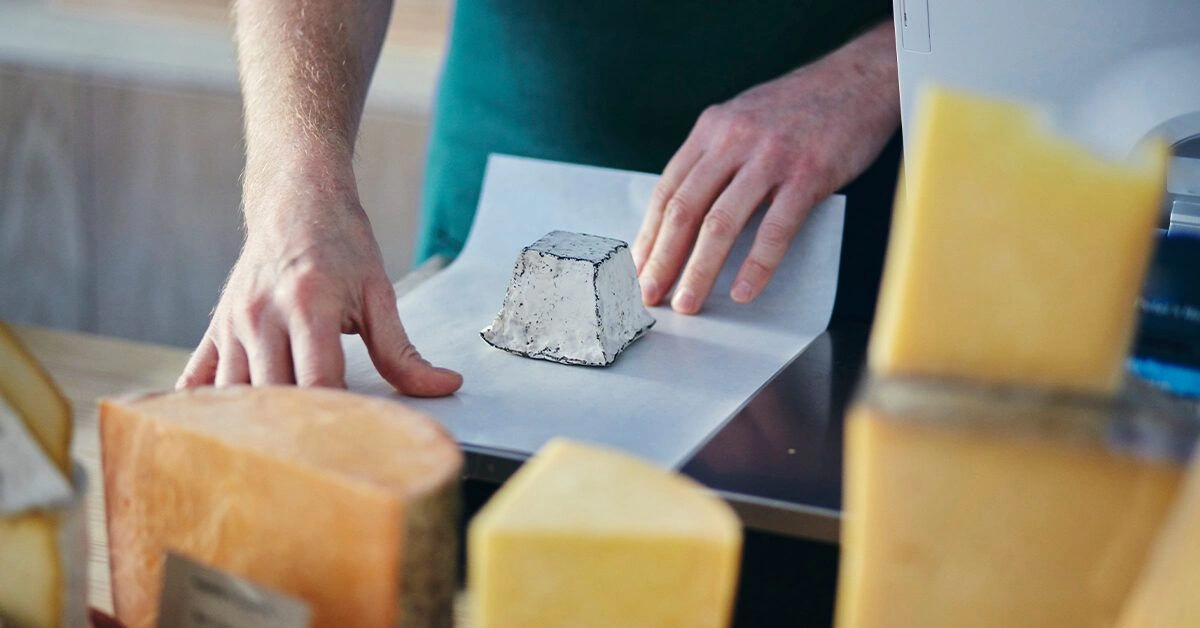
You can include high-fat cheeses like cheddar in a ketogenic eating plan. Cheddar, Gouda, goat cheese, and blue cheese are among the top choices. Cheeses to limit or avoid on keto include cottage cheese and low-fat or heavily processed options.
The ketogenic diet emphasizes very low carbohydrate intake and a higher proportion of calories from fat, often employed to support weight loss.
Typically, carbs are restricted to under 50 grams per day to maintain ketosis — a metabolic state where the body burns fat for fuel instead of carbohydrates.
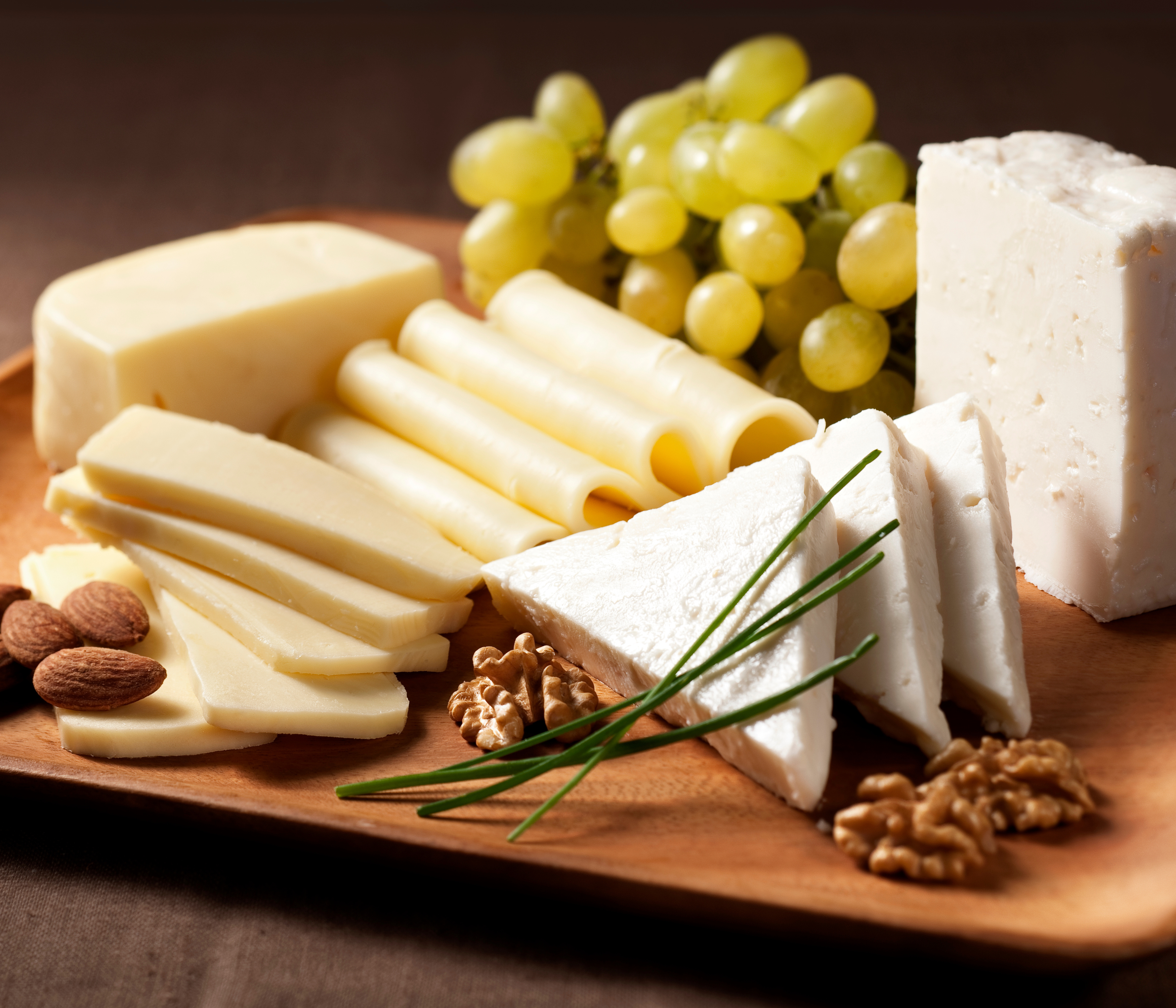
Because of this, some foods are more compatible with keto than others. Cheese often fits well due to its high fat, moderate protein, and low carbohydrate makeup.
This piece examines which cheeses are most keto-friendly and which are less suitable while following a ketogenic eating pattern.
Why include cheese on a ketogenic diet?
Keto followers sharply reduce carbohydrate intake.
They also focus on foods high in fat to replace the calories omitted by cutting carbs.
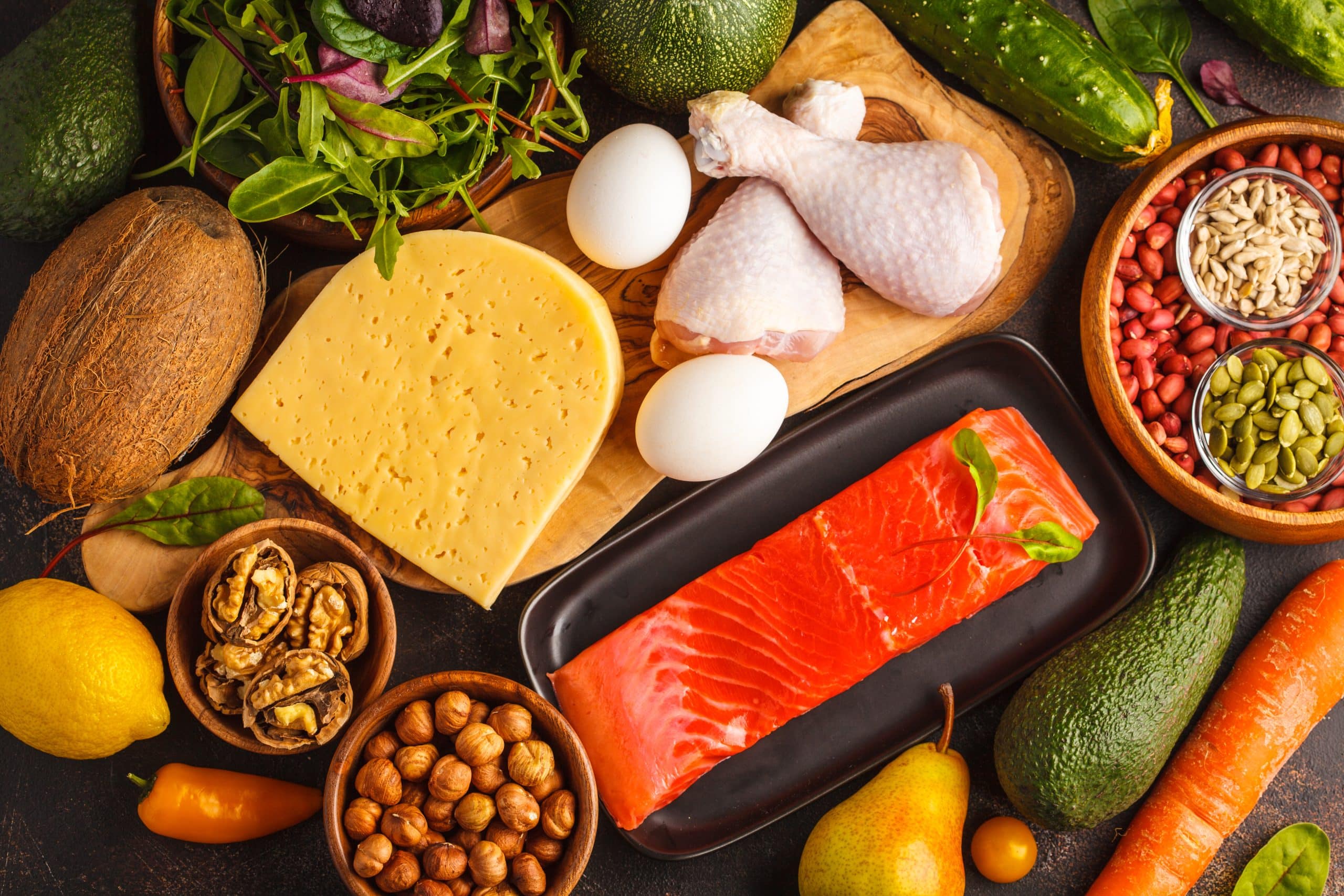
That makes cheese a valuable option since many varieties are rich in fat, contain a moderate amount of protein, and are low in carbs.
However, differences in fat percentage and processing mean some cheeses are preferable to others.
Summary: Cheese is a strong match for keto because it provides plenty of fat, moderate protein, and minimal carbs. Still, variations in fat content and processing make certain types better choices.
Best cheeses for keto
The cheeses below are high in fat and minimally processed, making them ideal for a ketogenic diet.
Cheddar cheese
Cheddar is a widely enjoyed yellow cheese.
It ranges from mild to sharp, so most people can find a style they like.
In a 1-ounce (28-gram) portion, mild cheddar supplies about 9 grams of fat, 7 grams of protein, and under 1 gram of carbs, fitting well within keto macros (1).
With a pleasant balance of tang and creaminess and a relatively low melting point, it melts nicely over sandwiches, lettuce-wrapped burgers, low-carb bread, and casseroles.
Gouda
Gouda is a slightly sweet, creamy, pale-yellow cheese made from cow’s milk.
A 1-ounce (28-gram) serving contains about 8 grams of fat, 7 grams of protein, and just 1 gram of carbs, making it keto-appropriate (2).
Gouda melts fairly well, so it’s great for topping burgers or mixing into a low-carb mac and cheese.
Goat cheese
Goat cheese, or chevre, is a soft cheese from goat’s milk with a tangy, sometimes earthy flavor.
Per 1-ounce (28-gram) serving, it delivers around 9 grams of fat, 7 grams of protein, and minimal carbs, making it a strong keto choice (3).
Although it doesn’t melt well, goat cheese is excellent in starters, salads, casseroles, and omelets.
Additionally, goat cheese generally contains less lactose than many cow’s milk cheeses, so it may be easier to tolerate for those with lactose sensitivity (4).
Blue cheese
Blue cheese is distinctive, created using mold cultures that produce sharp flavors and a creamy consistency.
Its keto-friendly nutrition profile includes about 8 grams of fat, 6 grams of protein, and 1 gram of carbs per 1-ounce (28-gram) serving (5).
Blue cheese works well crumbled on salads, blended into dips, or turned into a sauce for vegetable noodles or steak.
Summary: Top keto cheeses include cheddar, Gouda, goat cheese, and blue cheese due to their favorable high-fat, low-carb profiles.
Cheeses to limit on keto
You should steer clear of higher-carb or heavily processed cheese products when following keto.
Cottage cheese
Cottage cheese is a fresh cheese made by separating casein curds from liquid whey, the milk proteins.
Although cottage cheese is often viewed as a healthy choice, its nutrient mix isn’t ideal for ketogenic goals.
A 1/2-cup (114-gram) serving of full-fat cottage cheese contains about 5 grams of fat, 14 grams of protein, and 5 grams of carbs (6).
Even though it’s not extremely high in carbs, the carbs can accumulate quickly, so it’s wise to limit cottage cheese on keto.
Low-fat cheese
Since keto emphasizes high-fat foods, low-fat cheese varieties aren’t the best choice.
Regular cheddar has about 9 grams of fat per 1-ounce (28-gram) serving, while low-fat cheddar or colby of the same size may only have around 2 grams. There are even nonfat cheeses that contain no fat at all (1, 7, 8).
If your aim is to provide fuel in the form of fat for ketosis, stick to full-fat cheeses.
Processed cheeses
Processed cheese products are another group to avoid when on keto.
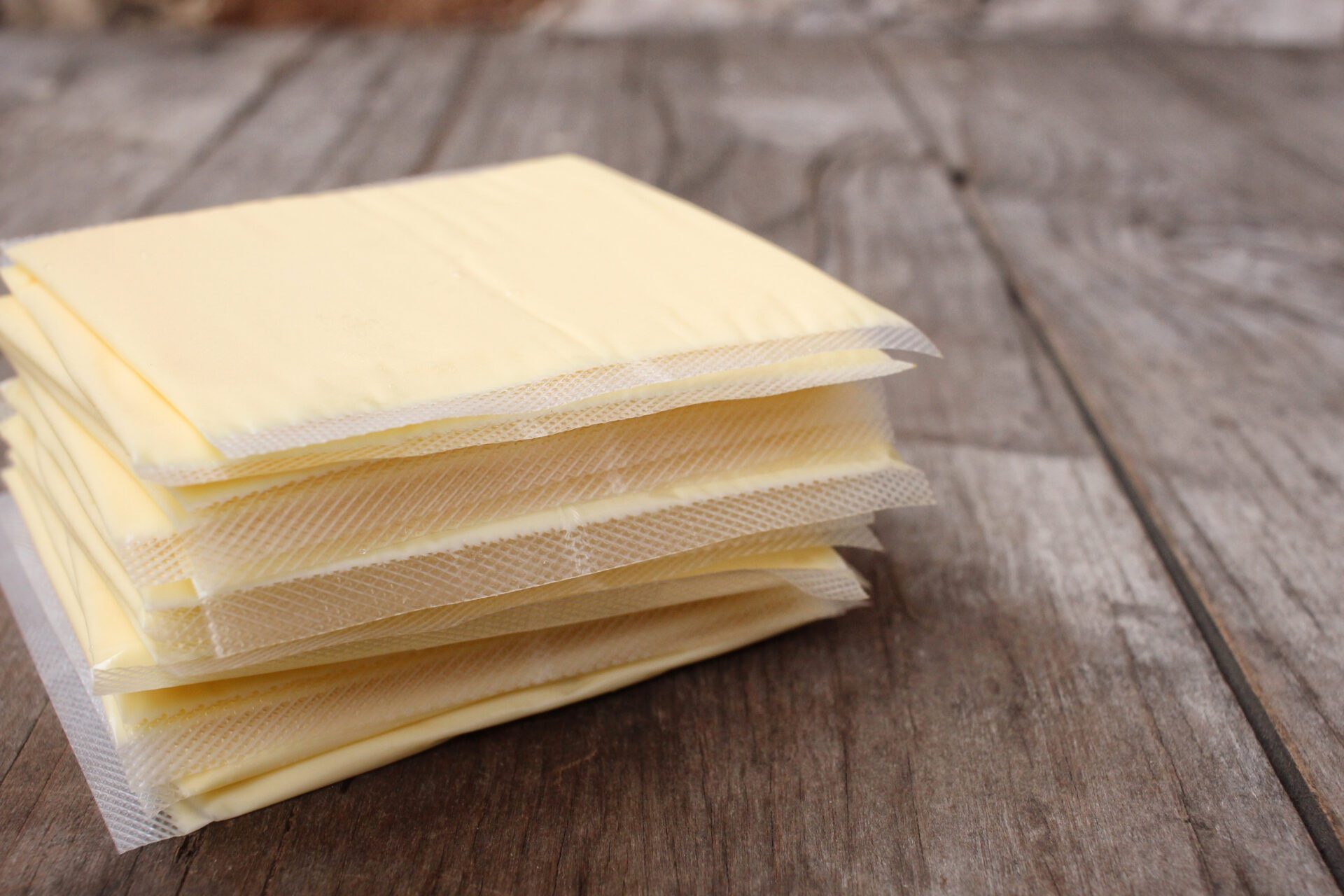
These include items like American cheese slices, cheese spreads, and other products that blend cheese with non-cheese ingredients.
While they may contain a lot of fat, they often include additives not found in natural cheeses, such as whey powder, vegetable oils, colorings, and preservatives (9, 10).
Diets high in processed foods are linked to greater risks of heart disease and other health issues, so it’s prudent to limit processed items regardless of keto status (11, 12).
Summary: Although many cheeses fit into a ketogenic approach, some are less appropriate because of their carb levels or processing. Examples include cottage cheese and low-fat or processed cheeses.
The takeaway
The ketogenic diet is low in carbs and high in fat, demanding strict adherence to sustain ketosis, where the body predominantly burns fat rather than carbohydrates for energy.
To compensate for the calories removed by cutting carbs, people on keto eat more high-fat foods, with cheese being a common choice.
Certain cheeses are more compatible with keto than others, depending largely on their carbohydrate and fat contents and how processed they are.
Cheeses like cheddar, Gouda, goat cheese, and blue cheese are among the best for keto, whereas cottage cheese and low-fat or processed options are less suitable.
If you’re on a ketogenic diet or supporting someone who is, keeping these cheese choices in mind will help maintain ketosis and meet dietary targets.
8 Foods to Eat on a Ketogenic Diet
Just one thing
Try this today: Craving a quick snack? Make these keto-friendly appetizer bites. Spread goat cheese on a sturdy cucumber slice, add smoked salmon or turkey, and top with another cucumber slice. Secure with a toothpick and enjoy. For extra flavor, include fresh dill, “everything bagel” seasoning, or a smear of mashed avocado.


















Leave a Reply
You must be logged in to post a comment.