
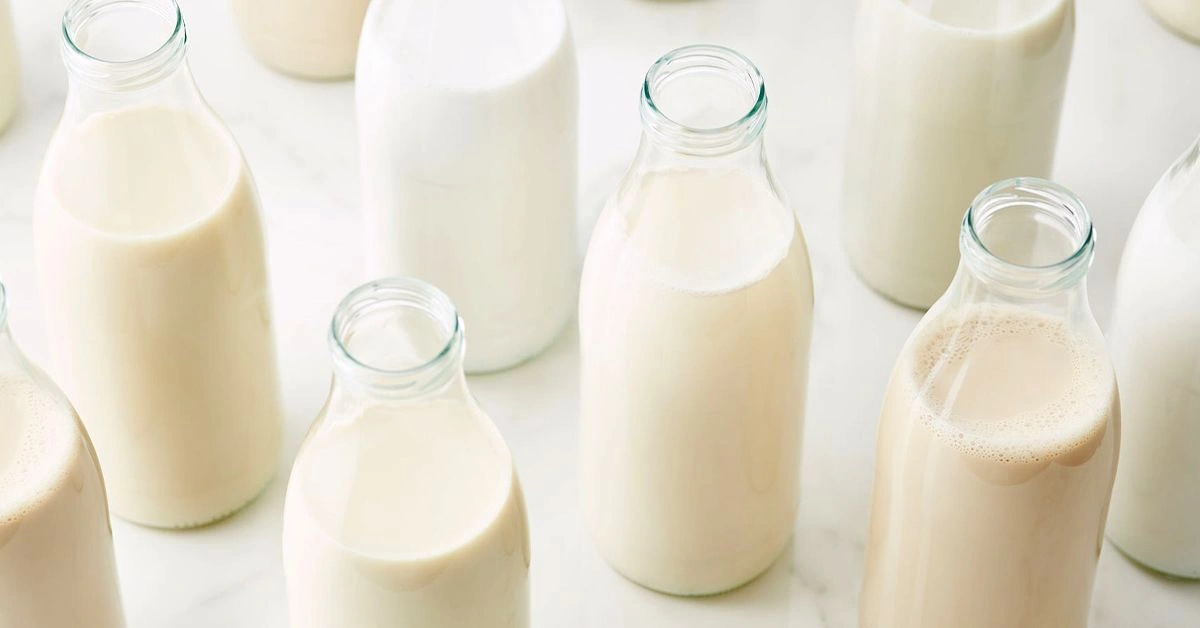
Plant-based milk varieties generally contain less protein and some nutrients compared with cow’s milk, but they often have fewer calories.
Grocery store dairy sections have broadened considerably in recent years, offering many types of cow’s milk and nondairy alternatives.
While some people argue that particular milks are healthier than others, there’s no single optimal milk for everyone. Your ideal choice depends on factors like dietary preferences and food sensitivities.
Read on to discover seven of the healthiest milk options to include in your eating plan.
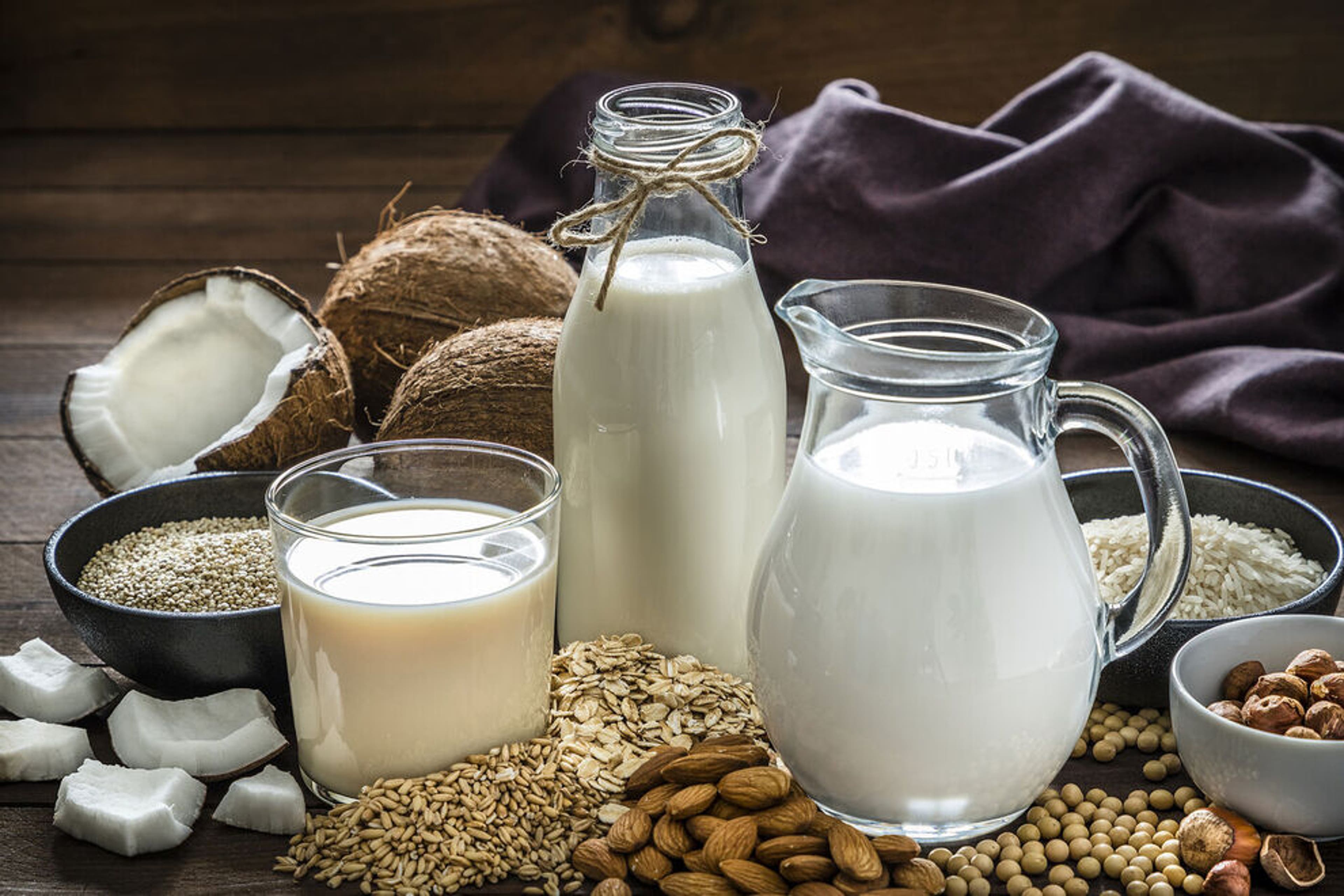
1. Hemp milk
Hemp milk is produced from ground, soaked hemp seeds, which are rich in protein and omega-3 and omega-6 fatty acids.
A 2018 review suggests hemp milk may help reduce cholesterol and thyroid hormone levels. The authors also point out that because hemp milk lacks lactose, it can be a nutritious substitute for cow’s milk and some other plant-based milks.
An 8-ounce (240-mL) portion of hemp milk contains roughly:
- Calories: 60
- Protein: 3 grams (g)
- Carbs: 0 g
- Fat: 5 g
- Phosphorus: 25% of the Daily Value (DV)
- Calcium: 20% of the DV
- Magnesium: 15% of the DV
- Iron: 10% of the DV
Hemp milk is essentially carbohydrate-free, though some manufacturers add sweeteners and sugars. These additives raise carbohydrate content and are linked to various chronic illnesses, including obesity, cardiovascular disease, and hypertension.
Look at the ingredient list and choose hemp milk without added sugar. Sugar might appear as brown rice syrup, evaporated cane juice, or cane sugar on labels.
2. Oat milk
Oat milk is made by soaking and processing whole oats. It’s one of the fastest-growing and most popular nondairy milks worldwide.
A 2023 review reported that oat milk sales rose 71% between 2017 and 2018, and global annual oat milk sales climbed 700% from 2018 to 2019.
Nutritional content varies by brand and depends on fortification. An 8-ounce (240-mL) serving of Oatly oat milk provides:
- Calories: 120
- Protein: 3 g
- Carbs: 16 g
- Fiber: 2 g
- Fat: 5 g
- Vitamin B12: 50% of the DV
- Riboflavin: 45% of the DV
- Calcium: 25% of the DV
- Phosphorus: 20% of the DV
Oat milk has a natural sweetness from oats and is relatively high in carbohydrates. It also contains soluble fiber, which contributes to its creamy texture.
Soluble fiber absorbs water in the gut and forms a gel during digestion, which slows digestion and helps you feel full longer. It may also support steadier blood sugar and lower cholesterol.
Oat milk contains compounds called avenanthramides (Avns), which may have anti-inflammatory, antioxidant, and allergy-modulating properties.
3. Almond milk
Almond milk is created by soaking almonds in water, then blending and straining out the solids.
It’s a popular nondairy alternative for those who avoid or can’t tolerate cow’s milk, but it’s unsafe for people with tree nut allergies.
On average, an 8-ounce (240-mL) serving of unsweetened almond milk contains approximately:
- Calories: 41
- Protein: 1 g
- Carbs: 2 g
- Fat: 3 g
Unsweetened almond milk is low in calories and contains far fewer carbs than cow’s milk, which can make it suitable for lower-carb diets.
However, it’s low in protein and lacks many nutrients unless fortified. Many manufacturers add calcium and vitamins A and D, but levels vary.
Some products include thickeners like carrageenan to improve texture and prevent separation.
Animal studies have indicated that carrageenan may promote intestinal inflammation and alter the gut microbiome, though more human research is needed to determine its effects.
4. Coconut milk
Coconut milk is extracted from the white flesh of coconuts. It’s flavorful and serves as a suitable nondairy option for people with tree nut allergies.
An 8-ounce (240-mL) serving of unsweetened coconut milk typically contains:
- Calories: 46
- Protein: 0 g
- Carbs: 1 g
- Fat: 4 g
Most carton coconut milks are diluted with water to reach a consistency similar to cow’s milk. They contain even less protein than almond milk, though many are fortified with vitamins B12, D, and A, and some minerals.
Canned coconut milk, usually used for cooking, is richer in fat, typically unfortified, and has a stronger coconut taste.
Coconut milk has somewhat higher fat content than several plant milks, and the medium-chain triglycerides (MCTs) in coconut are associated with potential cardiovascular benefits, such as higher HDL (good) cholesterol.
5. Cow’s milk
Cow’s milk is the most widely consumed dairy milk and a reliable source of high-quality protein.
It naturally supplies calcium, B vitamins, and various minerals, and it’s frequently fortified with vitamins A and D, making it nutrient-dense for people of all ages.
A 1-cup (244 g) serving of 3.7% whole milk contains approximately:
- Calories: 156
- Protein: 8 g
- Carbs: 11 g
- Fat: 9 g
- Calcium: 29% of the DV
- Riboflavin: 30% of the DV
- Phosphorus: 32% of the DV
- Vitamin B12: 36% of the DV
- Selenium: 9% of the DV
- Potassium: 8% of the DV
Cow’s milk is also offered in lower-fat varieties like semi-skimmed, 1%, and skimmed.
Some studies indicate cow’s milk is the best source of protein, beneficial fats, and micronutrients among milks.
However, milk protein is a common allergen. While many children outgrow it, some people have a lifelong allergy and must avoid dairy and foods containing it.
Additionally, about 65% of people worldwide have some difficulty digesting lactose, the sugar in cow’s milk — a condition known as lactose intolerance.
6. A2 milk
Roughly 30% of milk protein is casein. In many U.S. dairy herds, milk contains two main casein forms — A1 beta-casein and A2 beta-casein.
Digestion of A1 beta-casein can produce a peptide called beta-casomorphin-7 (BCM-7), which has been associated with digestive complaints resembling lactose intolerance in some individuals, including gas, bloating, constipation, and diarrhea.
Certain cows naturally produce milk that contains only A2 beta-casein, which does not generate BCM-7.
A 2023 review found that four studies reported A2 milk may be easier to digest than milk containing A1.
Still, the authors emphasize that additional human studies are required to clarify how A1 and A2 casein proteins affect digestive health.
Nutritionally, A2 milk is similar to regular cow’s milk. It’s not suitable for those with a milk allergy or true lactose intolerance, but it could be worth trying if you have mild digestive discomfort after consuming standard cow’s milk.
7. Soy milk
From a nutritional standpoint, soy milk is the closest plant-based match to cow’s milk. Soybeans provide complete protein, and many soy milks are fortified to mirror cow’s milk’s nutrient profile.
Soy milk is an excellent pick if you avoid dairy but want a higher-protein nondairy milk.
A 100-g serving of unsweetened soy milk contains approximately:
- Calories: 38
- Protein: 3.5 g
- Carbs: 1.3 g
- Fat: 2 g
- Vitamin B12: 16% of the DV
- Calcium: 10% of the DV
- Riboflavin: 6% of the DV
- Vitamin D: 5% of the DV
- Phosphorus: 10% of the DV
Soy has been debated because much U.S.-grown soy is genetically modified to tolerate herbicides.
Nevertheless, research indicates soy milk consumption may improve cholesterol and blood pressure. Despite concerns that soy mimics estrogen and could raise breast cancer risk, studies suggest soyfoods may actually lower cancer risk.
Some manufacturers offer organic soy milk made from non-GMO soybeans and without conventional pesticides or herbicides.
Additionally, if you’re avoiding lactose, consider lactose free milk as another option.
The bottom line
All milks and milk alternatives have distinct health benefits — from lowering cholesterol to increasing antioxidant intake or accommodating allergies or intolerances.
Milk is only one part of an overall dietary pattern. Whichever milk you opt for, combine it with a balanced diet rich in nutrient-dense whole foods.
Always read labels for added sugars or unnecessary additives.
Plant-based milks are typically lower in protein and certain nutrients than cow’s milk. Talk with a pediatrician if you’re considering plant milk for young children to ensure it’s appropriate.




















Leave a Reply
You must be logged in to post a comment.