

That Split-Second Panic
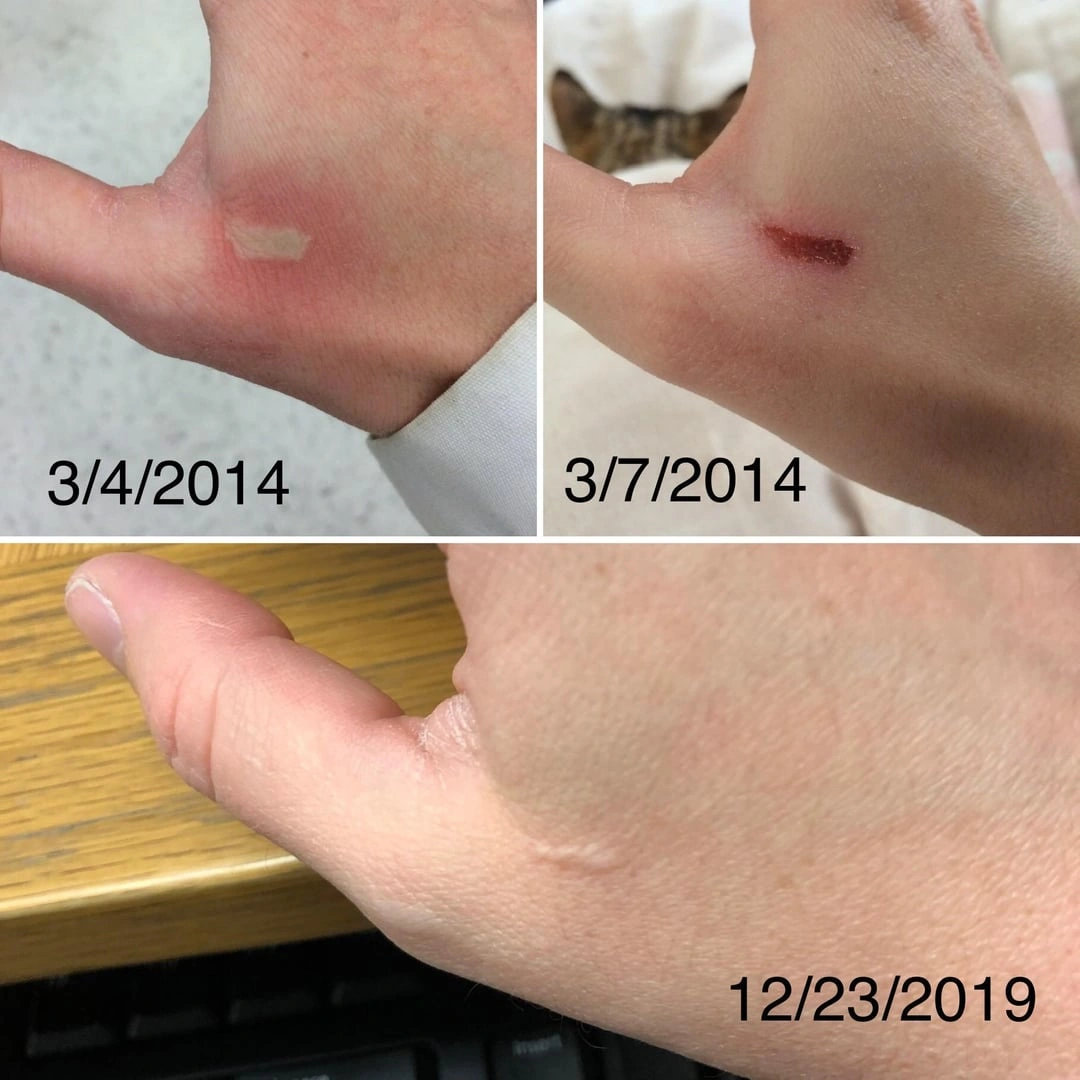
At first, I thought it was nothing—a little fizz, a weird burning scent, a tiny drop on my hand while tinkering with my old car battery. “Just a prickly sting,” I said to myself. But wow, was I wrong. Within minutes my skin was red, throbbing, and honestly, I felt a bit stupid. Ever found yourself pausing, mid-accident, mind racing: “Do I freak out now, or is this just an overreaction?”
You’re not alone. Most of us freeze up in moments like these, hoping that maybe, if we ignore it, it’ll just… go away. But when it comes to if an acid is splashed on your skin, wash at once with water, that panicked split-second matters way more than we think. Let’s talk honestly about how to do, why your skin hates acid so much, and how you can bounce back without making things worse. Ready?
When Acid Meets Skin
So, what actually happens when an acid splashes on your skin? It’s not just a dramatic cartoon moment—it’s science, but the kind you can feel (ouch). Acids are like tiny wrecking balls breaking down the very stuff your skin is made of. They mess with proteins, zap your skin’s natural barriers, and before long, you’ve got pain, redness, maybe blistering.
I know, not the vibe you want in your kitchen, garage, or, honestly, anywhere. Think about it: acids are hiding in more places than you’d guess. Lemon juice (mild), cleaning products (not so mild), battery acid (run). Even that “natural” face peel can turn mean.
Why Does the Burn Escalate?
Ever notice how even a small acid splash seems to get worse instead of better? There’s a reason. Acids don’t just sit on your skin—they start breaking it down immediately. The longer they’re there, the deeper they go.
Some Real-Life (and Relatable) Risks
- Lemon or lime juice while making dinner—stings now, but easy to rinse off.
- Strong acids from cleaning or fixing up the house? That’s ER territory if you’re not quick—but we’ll get there in a sec.
- One friend of mine once ignored a bit of pool acid on his arm while rerouting pipes—brushed it off, no biggie, he thought. Four hours and one gnarly blister later, he was googling desperate solutions (I’ll spoil it: only water helps in that moment).
The lesson? Even everyday stuff can pack a punch. And you don’t always see it coming, like how hot glass looks the same as cold glass. Hidden danger, right?
Wash. Immediately. Like—Now!
Okay, so this is the biggest point in every first aid guide: if an acid is splashed on your skin, wash at once with water—and lots of it. Not kind of wash or “dab.” Flood that skin. Your goal: outrun the burn before it digs deeper.
Still standing there thinking “Now, wait, should I reach for baking soda? What about soap?” Nope. Don’t let old myths or panic steer you wrong. Water. Just water.
How Long Do You Rinse?
This surprises people every time: it’s not just a quick rinse and done. Try for at least 20 minutes. Room temp or cool (never ice-cold) running water is best. Got a hose, shower, or just a kitchen sink? Go for it.
Can’t keep it under running water? Pour on a steady stream from a jug or bottle—just keep the water moving. It’s all about getting that acid off fast and diluting whatever’s left. The longer you stall, the more it soaks in and damages.
What Not to Do (Trust Me)
| What People Try | Why It’s Wrong | Right Move |
|---|---|---|
| Soap first | Can spread the acid, trap it under suds | Water, then gentle soap after long rinse |
| Baking soda | Mixing chemicals can cause heat or weird reactions | Stick to water only (unless told otherwise by a pro) |
| Lotion, creams | Traps acid, can make pain worse | Water—then see a doctor if it’s bad |
| Just wipe off | Leaves acid behind, lets it keep burning | Flood with water—seriously, don’t cut corners |
It’s like the warning in if a chemical or a biological sample splashes on your skin wash at once with water—flood it, don’t fiddle with it. The old “better safe than sorry” thing has never been more true.
Back to my own acid mishap: I rinsed for what felt like forever, counting out the seconds and low-grade panicking. But—honestly—that’s probably what kept things from going full disaster.
Hidden Hazards: Is It Acid or…?
Acid splashes aren’t always dramatic. Sometimes you touch something you didn’t even realize was acidic and only notice the sting ten minutes later. It’s sneaky, just like how hot glass looks the same as cold glass and you can’t tell the danger till it’s too late.
Have you ever grabbed a spray bottle, only to realize—way too late—it was cleaner, not water? Or reached into a murky bucket and noticed the skin on your hand tingling? It’s everywhere: kitchen, garage, garden shed. Sometimes the labels help. Sometimes… not so much.
Where Are These Acids Lurking?
Let’s make a quick run-down of acid risks in the wild (i.e., your life):
- Batteries—from cars, remotes, kids’ toys gone rogue. These can leak; the liquid is no joke.
- Cleaning supplies—toilet cleaner, drain opener, oven spray. Lots use hydrochloric or sulfuric acids: powerful stuff.
- Pool chemicals—”Chlorine” isn’t the only hazard. Even mild exposure can add up.
- Beauty products—think peels, exfoliants, and not-so-gentle toners. Sure, they promise radiant skin, but with a dash of “handle with care.”
Oh, and don’t forget the strange (and, let’s be real, slightly scary) stuff you might find at work or in a science lab. If you see the word “acid” on the label, treat with respect—whether it’s a drop or a cup.
I once saw a classmate mistake a clear acid in a beaker for water during a high school experiment. She didn’t feel much at first, but the story ended with the school nurse, a plastic baggy of running water, and a call home. Fast reflexes (and an embarrassing story) saved her skin.
Prevent, Don’t Panic: Smart Prep Tips
So how do you dodge the drama? I’m not saying you need to bubble-wrap your home or wear a hazmat suit to mop the floors. But a little “what if” thinking goes a very long way.
Have you got a mental checklist when handling stuff that could be caustic? Do you keep gloves handy for cleaning? What about rinsing bottles or eyewash stations in reach, especially if you’ve got kids? Basic stuff, but it makes a world of difference (even if you sometimes forget in the moment—I know I do).
Gear Up (It’s Less Dorky Than It Sounds)
Gloves and goggles: not just for the “serious” tasks. Grab ’em for anything with a label showing “corrosive,” “acid,” or that weird little skull-and-crossbones drawing. Keep water bottles in your car or workshop, just… in case.
At home, I’ve started keeping a stash of disposable gloves in a drawer. And before deep-cleaning or fixing up the house? I run through my own clumsy-person checklist:
- Gloves on? (Check.)
- Spray cleaner clearly labeled? (Check.)
- Know where the faucet/sink/hose is? (Double check.)
Prevention is boring—until the one day it saves you a trip to urgent care. Plus, with sneaky stuff like hot glass looks the same as cold glass, we’re learning to respect what we can’t see or smell.
Red Flags: When to Get Help Fast
You did everything right—rinsed 20 minutes, stayed calm, didn’t dump your entire medicine cabinet on the burn. But it still looks bad. When do you say, “Okay, this is no longer a DIY moment, time for help?”
Here’s where even the stubbornest among us (hi, it’s me!) need to call in the pros:
- Blisters or skin starting to peel off—yeah, not great
- Burn covers a large area or is near your eyes/mouth/groin
- The pain won’t quit after rinsing
- Anything got near your eyes (go straight to the ER—no hesitation)
- You start to feel dizzy, weak, or “out of it”—call help, don’t tough it out
Honestly? If you have even a tiny doubt, call your doctor, urgent care, or poison control. They’ve seen it all, and you’ll never regret being “overcautious.” According to NHS guidance and research on chemical and acid burns, severe burns or acid exposure need prompt medical attention—not after you’ve waited to see if it’ll “just get better.”
Still on the fence? Remember, if you’d treat a stranger’s burn as an emergency, you should probably do the same for yourself.
Wrapping Up: Keep Calm, Keep Safe
I know—nobody plans for accidents. But they happen. The key is, when if an acid is splashed on your skin, wash at once with water, you don’t freeze or fumble. Act fast. Rinse well. Forget the fancy tricks; just stick to what works.
Take a beat to know where hazards lurk (sometimes acid, sometimes just a lookalike, like how hot glass looks the same as cold glass). A small mental checklist, a pair of gloves nearby, a “rinsing station” in the back of your mind.
But above all—don’t brush off “little” accidents. The faster you act, the less drama for your skin, your nerves, and your entire week. And hey, if you’ve got your own wild story, or a weird question, let’s swap tales in the comments. Because if there’s one thing I’ve learned, it’s that no question is too small…and no accident is too silly.
So, here’s the nudge: respect those sneaky risks, keep water close, and look out for each other out there. You never know when a little knowledge (or 20 minutes of rinsing) will be your real lifesaver.





















Leave a Reply
You must be logged in to post a comment.