
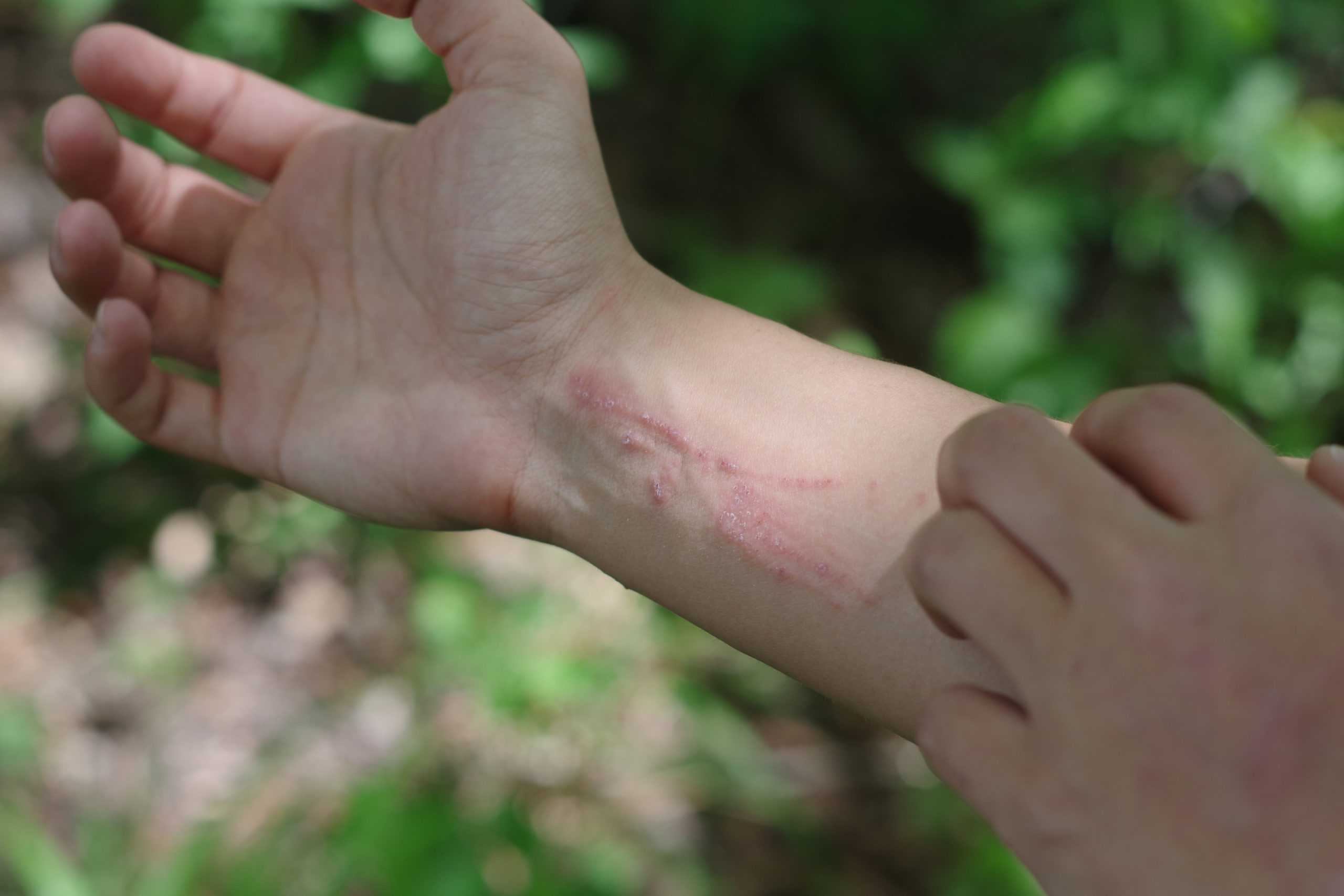
Typical poison ivy rash signs include redness, intense itching, blisters, and swelling. Most rashes resolve within 1–3 weeks. Some people report that apple cider vinegar can temporarily ease symptoms, but it may also irritate the skin.
If you suspect contact with poison ivy, the first step is to rinse your skin right away. Use soap and cool or lukewarm water. Stay away from hot water, which can aggravate irritation.
Try to wash the affected area within five minutes of exposure, when the plant oil can still be removed.
Although apple cider vinegar is a popular remedy, the National Poison Control Center does not advise using vinegar on wounds.
The acidic nature of apple cider vinegar can cause chemical burns or additional irritation if applied directly to broken or sensitive skin.
Also, any relief from apple cider vinegar is likely to be short-lived.

There’s limited contemporary research on using apple cider vinegar specifically for poison ivy. Still, it has a long history as a folk treatment. As an acid, it’s thought to help dry urushiol, which some believe reduces itching and speeds recovery.
Before using apple cider vinegar on a poison ivy rash, be aware of the possible harms.
While a quick home remedy can be tempting, the lack of robust scientific support and the availability of better-established treatments may give you pause before trying it.
Other natural approaches for poison ivy
Many home remedies are recommended for poison ivy. These are intended to calm itching, dry the rash, and lower infection risk.
Other natural options include:
- rubbing alcohol
- witch hazel
- baking soda paste (mix 3 parts baking soda to 1 part water)
- baking soda baths
- aloe vera gel
- cucumber slices
- cold compresses
- warm colloidal oatmeal baths
- bentonite clay
- chamomile essential oil
- eucalyptus essential oil
The Food and Drug Administration (FDA) highlights a cool water compress, colloidal oatmeal baths, and baking soda as home remedies that may actually provide relief. Colloidal oatmeal and baking soda can help soothe mild itching and irritation.
Recommended treatments
After gently washing the area affected by poison ivy, several widely suggested treatments can help. For mild cases, try:
- applying calamine lotion
- taking an oatmeal bath
- using over-the-counter hydrocortisone cream
Oral antihistamines, such as diphenhydramine (Benadryl), can also ease itching.
More serious outbreaks may require prescription corticosteroids or other immune-suppressing medications prescribed by a healthcare professional.
When to seek medical attention
Most poison ivy rashes resolve on their own within 1 to 3 weeks, usually starting to dry and fade after about a week.
See a doctor if your symptoms worsen or don’t improve. You should also get medical help if you have any of the following:
- fever above 100°F (38°C)
- trouble breathing
- difficulty swallowing
- blisters that are oozing pus
- a rash covering a large portion of your body
- a rash on your face or near your eyes or mouth
- a rash in the genital area
These signs could signal a severe allergic reaction or a skin infection. Rashes affecting the face, genitals, or large areas may need prescription therapy.
How poison ivy rashes occur
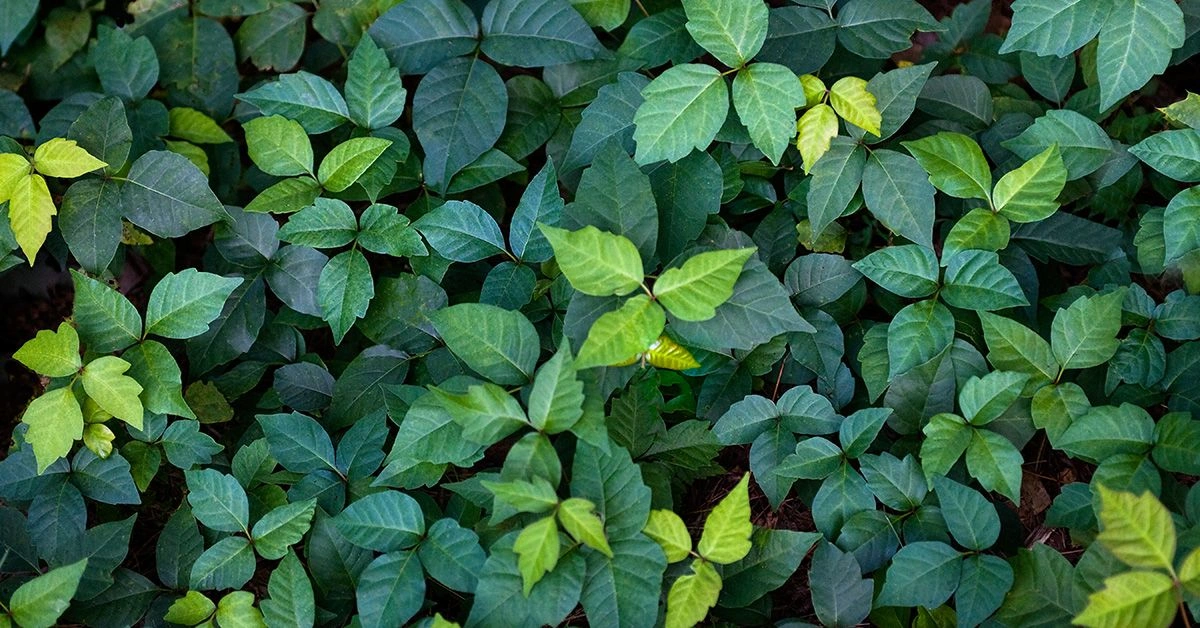
Poison ivy rash results from an allergic response to poison ivy, a three-leaf plant common across the United States.
The culprit is urushiol, a sticky oil in the plant’s sap that is colorless and odorless. Contact with urushiol can trigger allergic contact dermatitis.

This can happen from touching live or dead plants, or from contact with animals, clothing, tools, or gear that have urushiol on them. The rash may appear right away or within up to 72 hours.
In the U.S., poison ivy reactions are the most frequent allergic skin response. Each year, about 25 to 40 million cases are reported. The rash itself isn’t contagious, but the oil can be spread to others.
Common symptoms after exposure include:
- redness
- blisters
- swelling
- severe itching
Bottom line
Poison ivy reactions are the most common allergic skin responses in the United States. Classic signs include redness, itching, blisters, and swelling, and most rashes clear within one to three weeks.
Apple cider vinegar is a frequently mentioned home remedy to help with poison ivy symptoms, thought to dry the rash. Any benefit is likely temporary, and vinegar can irritate or burn the skin.
There are several inexpensive, evidence-backed measures to manage the itch from poison ivy, including calamine lotion, oatmeal baths, and antihistamines like Benadryl.
















Leave a Reply
You must be logged in to post a comment.