Dermatology 101
Dermatology 101 offers essential information on skin health, common conditions, treatments, and skincare routines, helping individuals understand and care for their skin effectively.

What Are Skin Neoplasms?
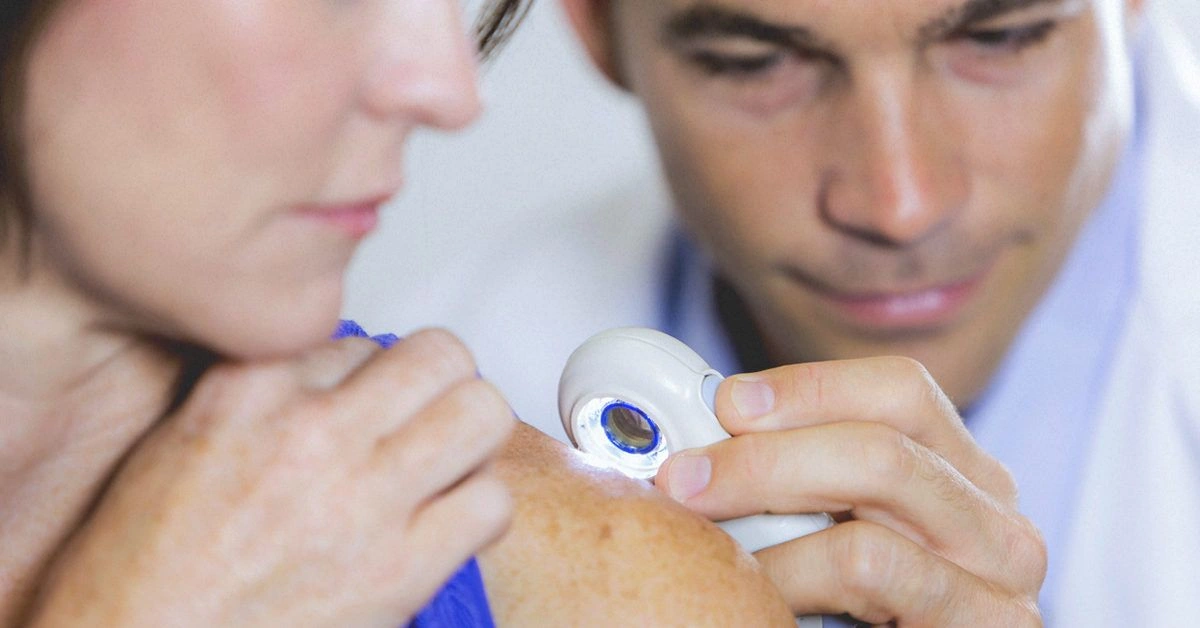
What is a skin neoplasm? A skin neoplasm is an abnormal growth that appears on the skin. Although the term neoplasm is often used interchangeably with cancer, it also describes noncancerous growths. You may also hear these growths called tumors. Normally, skin cells divide and grow as needed, and then die when they’re no longer required. Occasionally, however, cells keep proliferating when they shouldn’t, which leads to the formation of…
What You Need to Know About Vacuum-Assisted Wound Closure (VAC)
Vacuum-assisted closure (VAC) is a technique that reduces air pressure around a wound to promote repair. It is also known as negative pressure wound therapy. During VAC treatment, a clinician places a foam dressing over an open wound, then a vacuum pump generates negative pressure in the area. In other words, the pressure at the wound site is lowered relative to atmospheric pressure, which helps draw the wound edges inward.…
Is This Sunburn Ever Going to Turn Into a Tan?
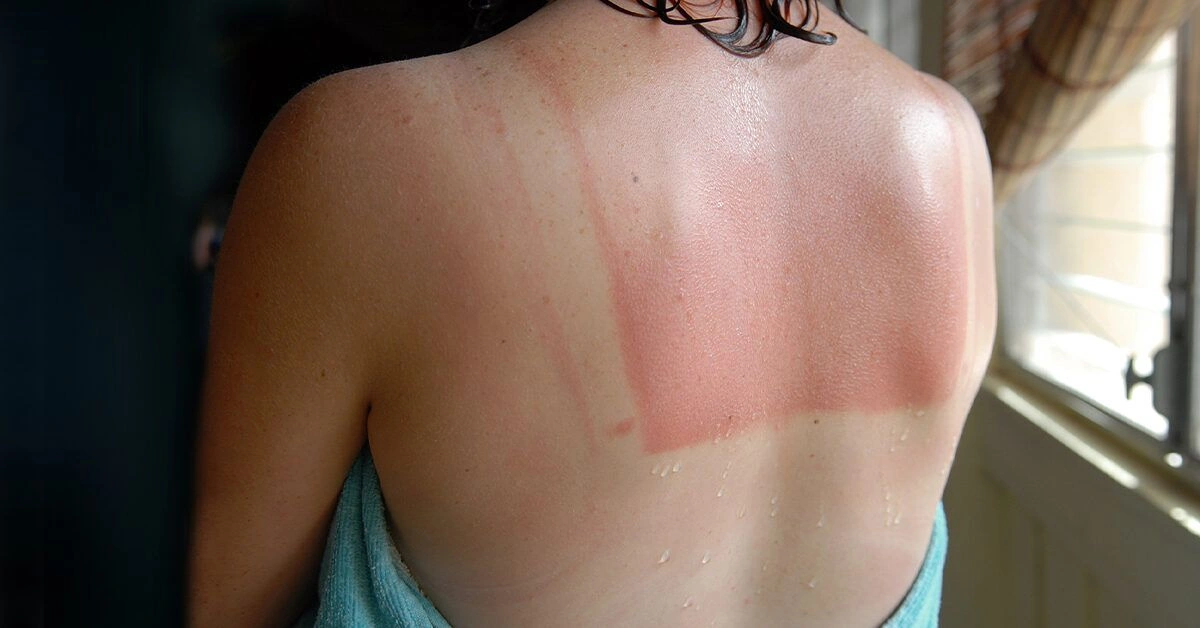
Whether a sunburn eventually develops into a tan largely depends on your skin type, which is not something you can change. If you spent too long in the sun and are hoping your bright-red sunburn will mellow into a bronzed hue, you may be disappointed. Below is a breakdown of sunburns, tanning, and what happens in between. Health notice Tanning carries many risks, including skin injury and skin cancer. Most…
What to Know About Eczema and Laundry Detergent
If you live with eczema, you might need to be more selective when shopping for laundry detergent and laundering your clothing. Certain common ingredients can provoke eczema symptoms. Your garments should feel comfortable against your skin, but sometimes fabrics can be a bit abrasive. For many people that’s just a minor annoyance, but for those with eczema, avoiding anything that may irritate already-sensitive skin is crucial. That even extends to…
Can Manuka Honey Relieve Symptoms of Eczema?
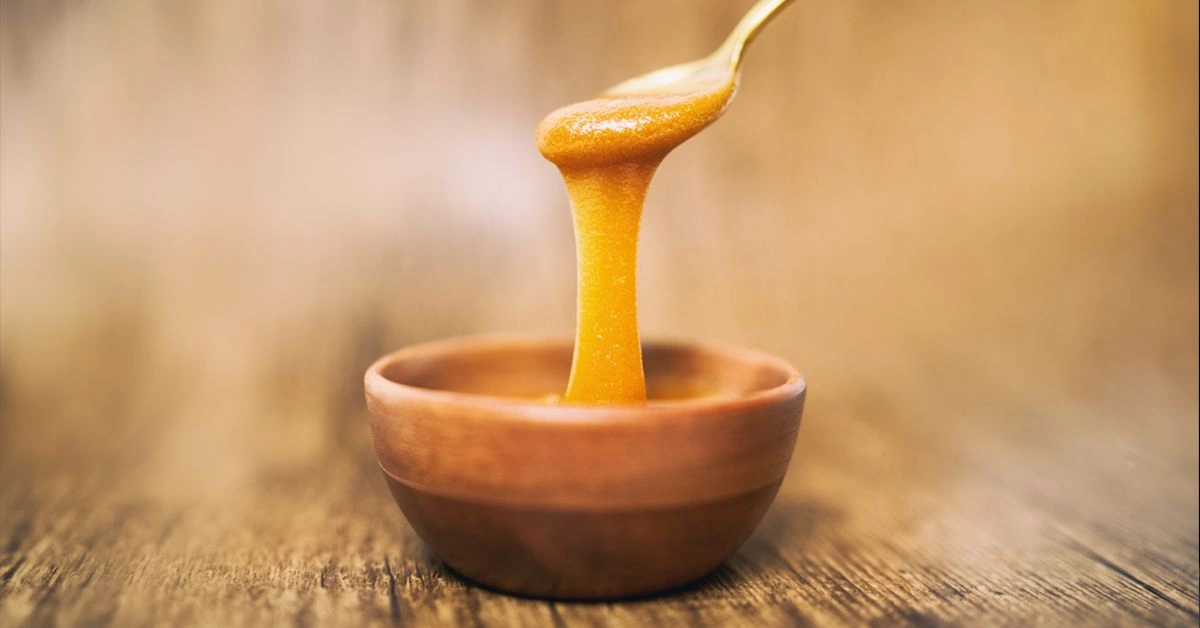
Manuka honey contains anti-inflammatory and antioxidant components that might ease eczema signs when applied to the skin. Still, additional studies are needed to firmly establish these effects. If your skin is frequently itchy, red, and flaky, you could be among the more than 31 million Americans living with eczema. You’re likely open to trying many approaches to improve how your skin looks and feels. Before losing hope or spending a…
How to Identify Poison Ivy (in All Seasons)
Spotting poison ivy means knowing how it appears across the seasons, since its hue and shape shift throughout the year. If you spent your childhood near woods or fields, you’ve likely heard the saying, “leaves of three, let it be.” That short, memorable caution is meant to keep you from touching or brushing up against poison ivy. Why? The plant’s leaves contain an oily resin called urushiol that commonly triggers…

Queratosis pilar
La queratosis pilar es una condición cutánea frecuente que provoca la aparición de áreas con pequeñas protuberancias ásperas. Esos granitos diminutos suelen ser acumulaciones de células muertas que taponan los folículos pilosos. En ocasiones las protuberancias pueden verse rojizas o pardas. Esta afección suele localizarse en brazos, muslos, mejillas o glúteos. No es contagiosa y, por lo general, estas protuberancias no producen dolor ni picor. Se ha observado que la…

Belly Button Types, Shapes, and Sizes
Belly buttons come in many natural varieties — they can be round, broad, deep, or take on numerous other forms. If a particular appearance concerns you, surgical options are available to address it. The navel, or belly button, is what remains after your umbilical cord is removed. There are many anatomical variations beyond the basic “innie” and “outie” labels. Read on to see the common looks and learn what you…
Hypertrophic Scars and Keloids: Similarities and Differences
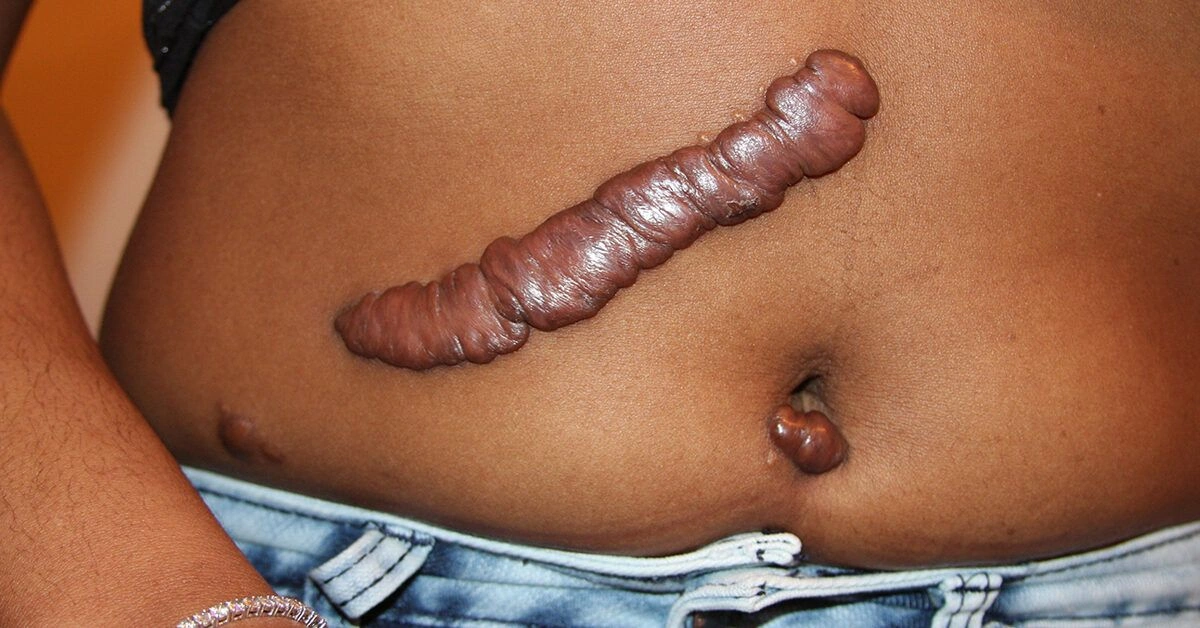
Hypertrophic scars and keloids both arise from an overproduction of collagen during the wound-repair process. The key distinction is that hypertrophic scars remain confined to the original injury, whereas keloids extend beyond it. Keloids are also notably harder to manage. Both hypertrophic scars and keloids are types of elevated scar tissue that follow skin trauma. They are more prominent than the typical flat, faint scars and result from an excess…
Keloid on Belly Button Piercing: What to Do About It
Keloids are excessive scar tissue formations that develop where the skin has been injured. They’re a frequent consequence of piercings, and some people are simply more susceptible to them than others. They aren’t dangerous, but they can be bothersome and sometimes painful. Keloids most often appear after ear piercings, but they can form after other piercings too, including belly button piercings. (img by Wikimedia Commons) What do keloids look like?…