Dermatology 101
Dermatology 101 offers essential information on skin health, common conditions, treatments, and skincare routines, helping individuals understand and care for their skin effectively.

4 Benefits and Uses of Castor Oil
Castor oil serves a wide range of purposes in medicine, industry, and pharmaceutical manufacturing. It appears in certain foods, medications, and skincare products, and it’s also utilized as an industrial lubricant and in biodiesel production. (alexander ruiz/Getty Images) Derived from the seeds of the Ricinus communis plant, castor oil has been used for thousands of years in traditional and modern health practices. A specific heating process deactivates its toxic enzyme,…
What Are the Lines on the Front of My Teeth?
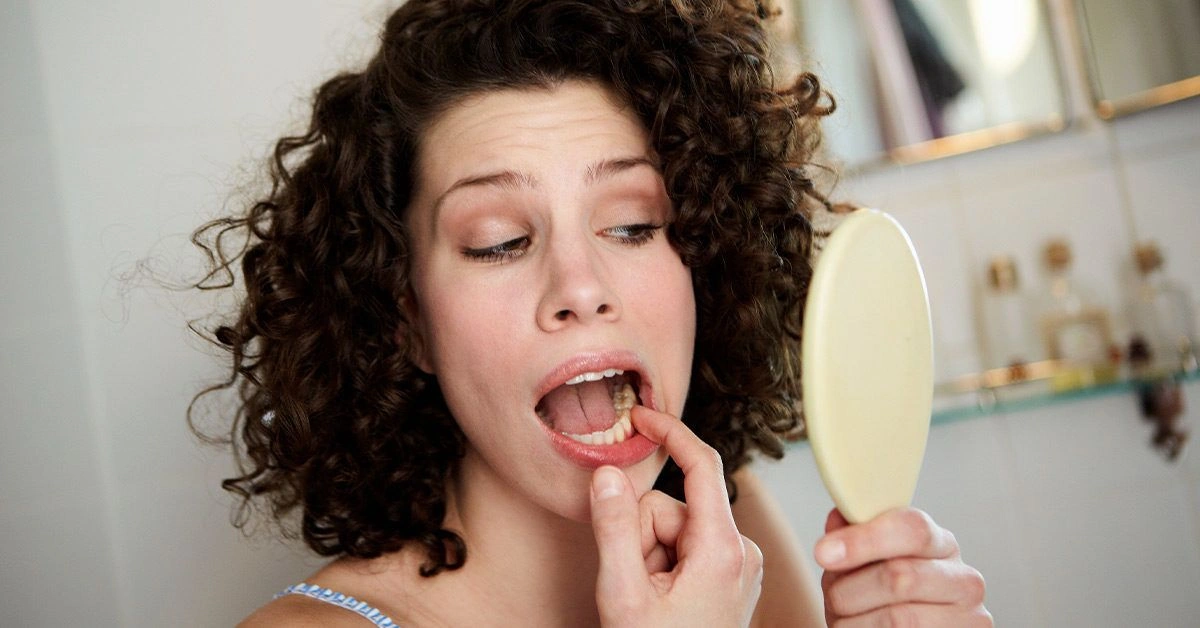
Craze lines are tiny, superficial fissures in tooth enamel. They rarely develop into significant cracks and are mainly an aesthetic issue. Still, they can contribute to cavities if oral hygiene is neglected. These superficial, vertical marks show up in the enamel, commonly becoming more apparent as people age. They’re also called hairline cracks or superficial enamel fractures. (img by Nova Smiles) Craze lines can be translucent, and in some cases…

Bleeding Into the Skin
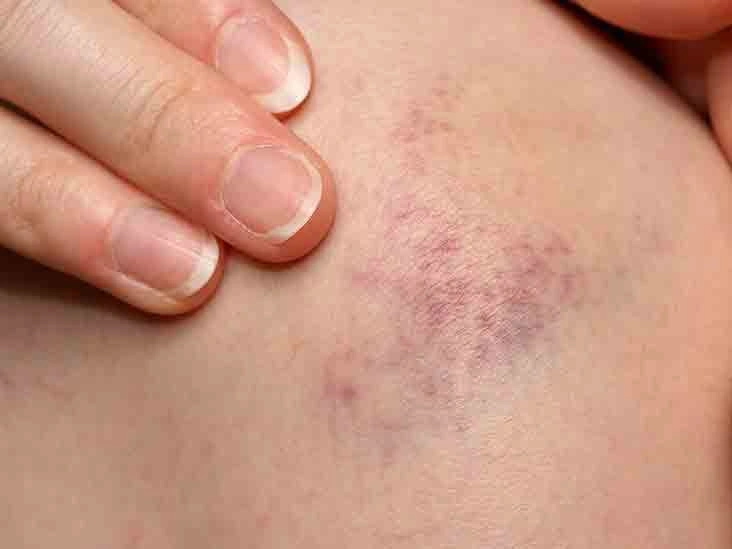
When a blood vessel ruptures, a small volume of blood leaks out into the surrounding tissues. This escaped blood can become visible just under the surface of the skin. Blood vessels may break for a variety of reasons, though it most commonly occurs due to some type of trauma or injury. Bleeding beneath the skin may appear as tiny pinpoint spots known as petechiae or as broader, flat discolorations called…

Everything You Need to Know About Facial Cupping
What is facial cupping? Cupping is an alternative therapy that relies on suction cups to activate the skin and underlying muscles. It may be performed on the face or other areas of the body. The gentle vacuum effect encourages enhanced blood circulation, which can help ease muscle tightness, support cellular repair, and assist the body’s natural regenerative processes. Practitioners also believe it enhances the movement of your “qi” (pronounced “chee”),…
Why Soap Is the Least Natural Way to Clean Your Skin
We’ll also walk you through three healthier — and far more skin-friendly — ways to achieve clean, balanced skin. If you’ve ever wondered, What happens if you wash your face with hand soap? the short answer is that it can significantly disrupt your skin’s natural balance. Your skin is the body’s largest organ and serves as a primary defense against environmental threats. It shields you from pathogens, injury, and temperature…
Accidental Poisoning by Soap Products
Accidental soap poisoning Accidental poisoning from soap products can happen after exposure to household cleaning agents that contain potent chemicals, including soaps commonly used to cleanse your body. Most shampoos and hand or body soaps are minimally poisonous when ingested in small quantities, but they may still irritate the eyes and trigger symptoms such as nausea, vomiting, or diarrhea if swallowed. (img by Epicurious) However, soaps and cleaning agents not…
Using Essential Oils for Burns
Can essential oils be used for burns? Essential oils of many varieties have gained widespread attention as natural home remedies. They’re commonly used for hair care, easing discomfort, soothing insect bites, and supporting skin health. Certain essential oils may also be beneficial for managing small, minor burns. However, deeper or more serious burns should always be evaluated by a medical professional to prevent complications. (img by GoodRx) When using essential…
How to Remove Scars on Legs
Scars on the legs can develop in many forms, including raised, indented, or discolored marks. Fortunately, there are numerous medical treatments, topical solutions, and home strategies that may help improve their appearance. If you’re searching for the Best oil for scars on legs, understanding the type of scar you have and how it formed is the first essential step toward effective care. (img by Allure) Scarring is a normal part…
Can You Reduce the Appearance of Scars with Oils? 13 Oils to Try
Essential oils and skin health When searching for the Best oil for scars on face, many people turn to essential oils and plant-based remedies to support skin repair. Essential oils may help minimize the visible appearance of scars by encouraging regeneration of damaged skin cells. In addition to essential oils, several carrier oils can also enhance overall skin texture and resilience. Essential oils promote skin health by: balancing uneven skin…
How to Identify, Treat, and Prevent Razor Burn on Your Vaginal Area
Red bumps that appear on the vaginal area after shaving are often a sign of razor burn. Applying a warm or cool compress and choosing loose, breathable clothing can help calm irritation while the skin heals. If you’re searching for guidance on How to treat razor burn on pubic area female, understanding the cause and using gentle care strategies can speed up recovery and reduce discomfort. (img by Love Wellness)…