

Can essential oils be used for burns?
Essential oils of many varieties have gained widespread attention as natural home remedies. They’re commonly used for hair care, easing discomfort, soothing insect bites, and supporting skin health.
Certain essential oils may also be beneficial for managing small, minor burns. However, deeper or more serious burns should always be evaluated by a medical professional to prevent complications.
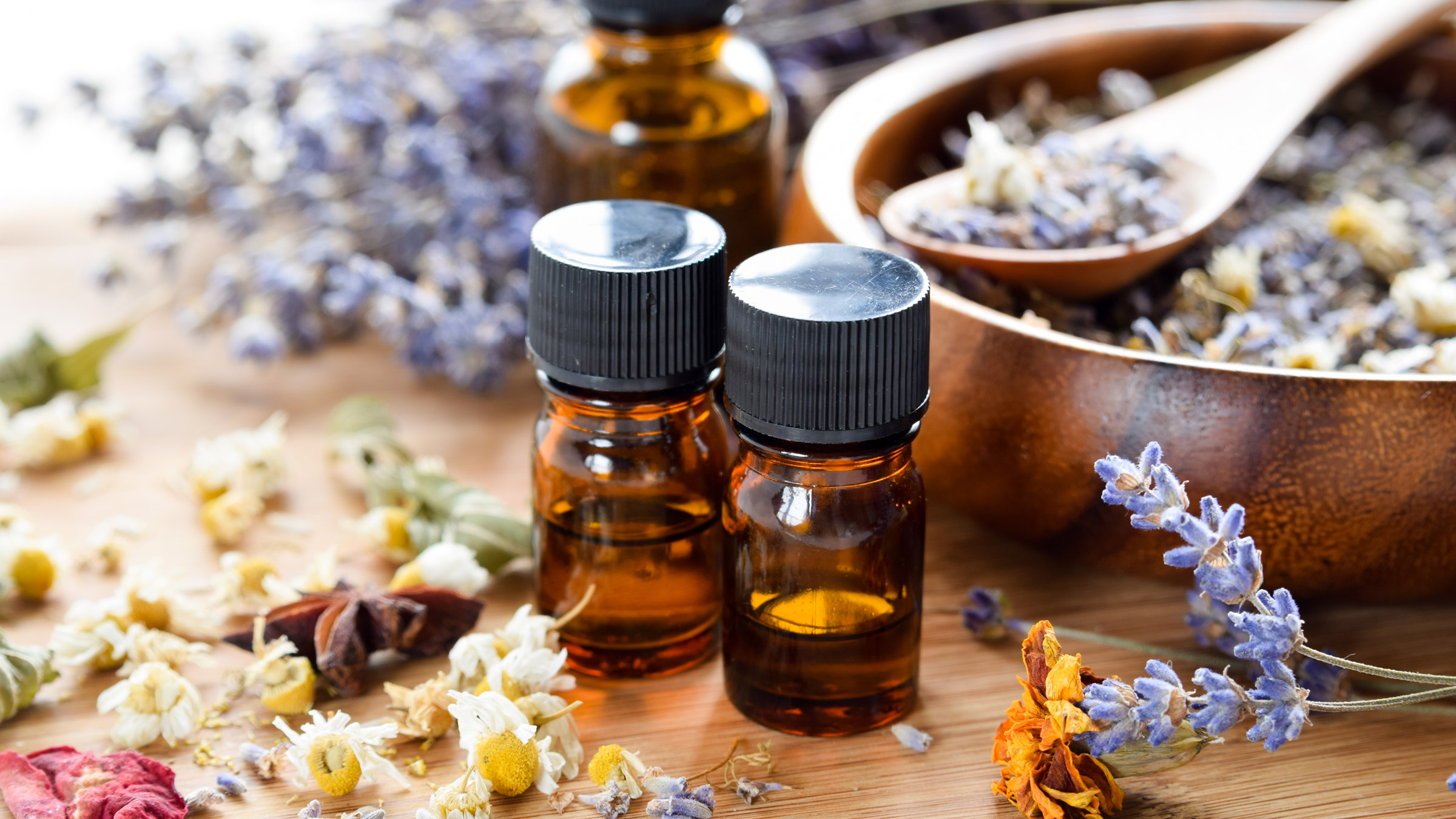
When using essential oils topically, they must always be diluted in a carrier oil before being applied to the skin. This is why choosing the Best carrier oil for wound healing is an important part of safe and effective use. Essential oils can also be inhaled for aromatherapy purposes, but they should never be ingested.
Below, we’ll explore the best essential oils for burns, especially first-degree burns. Research suggests these oils may support the skin’s natural recovery process. You’ll also learn how to use them properly and safely for optimal results.
What are the best kinds of oils for burns?
1. Chamomile (Chamomilla or Matricaria)
Chamomile has long been used traditionally to promote wound and skin healing. It’s also a common ingredient in creams, lotions, and other skincare formulations designed to calm irritated skin.
Similar to aloe vera, chamomile offers emollient, hydrating, and skin-restorative properties. Studies show that chamomile may assist in healing minor burns, including sunburns. Its gentle anti-inflammatory effects may help reduce redness and discomfort while supporting tissue repair.
2. Eucalyptus (Eucalyptus globulus)
Eucalyptus is a well-known topical essential oil, especially valued for wound and burn care. It possesses astringent, anti-inflammatory, and antimicrobial characteristics.
In this 2015 review, eucalyptus was highlighted for its traditional use in burns and other skin concerns such as cuts, lice, and insect bites. Its antimicrobial properties may also help reduce the likelihood of infection in minor burns.
3. Juniper (Juniperusspecies)
Essential oils derived from various juniper species have been utilized in folk medicine as natural wound remedies. Related trees in the Cupressaceae family, such as cedar and cypress, share similar properties.
According to a 2015 study, thujone—an active component in juniper oil—may promote healing, help prevent infection, and calm inflammation due to its antimicrobial activity. More recent studies, including this one in 2016, confirm the presence of thujone.
A 2011 study found that certain cedar species also contain thujone. Additionally, research from 2012 showed that juniper contains pinene, a compound believed to aid wound healing and possibly reduce scarring following burns.
4. Lavender (Lavandula angustifolia)
Lavender is frequently cited in essential oil research as a supportive option for burn recovery. It has documented analgesic properties, the ability to ease inflammation, and antimicrobial effects.
A 2012 study demonstrated that lavender essential oil accelerated wound healing and reduced inflammation in women recovering from childbirth-related surgery. These characteristics may make it useful for minor burn care as well.
5. Oregano (Origanumspecies)
Beyond its culinary uses, oregano oil is one of the most researched essential oils for antimicrobial activity. It has also been examined for its role in topical wound and burn management.
A 2011 animal study evaluated a wound ointment containing oregano, sage, and St. John’s wort. The findings suggested that oregano may contribute to faster wound healing, including burns. In a 2015 review, oregano (and marjoram) were also recognized for pain-relieving properties.
6. Peppermint (Mentha piperita)
Mint species, particularly peppermint, have been extensively studied for topical pain relief. This may make peppermint especially helpful for easing discomfort associated with minor burns.
A 2011 review identified peppermint as an effective analgesic essential oil. Additionally, a 2015 review noted its potential role in preventing illness, relieving pain spasms, and reducing inflammation.
7. Pine (Pinusspecies)
Pine essential oils contain pinene. Studies indicate that pinene may reduce inflammation, combat pathogens, and lessen scarring. These properties suggest pine oils could be beneficial in supporting burn healing.
A 2012 study on pine-derived compounds also concluded that they may function as potent anti-inflammatory wound-healing agents.
8. Sage (Salviaspecies)
Sage species may also serve as supportive remedies for burn recovery. Among the different varieties, clary sage (Salvia sclarea) is one of the most accessible and widely used.
Sage exhibits antibacterial activity, which may help lower the risk of infection in burns. Both a 2010 and 2015 review highlighted its antimicrobial strength. It was also included in a 2011 animal study alongside oregano and St. John’s wort for wound treatment.
9. St. John’s wort (Hypericumspecies)
While commonly associated with supporting depression, St. John’s wort was historically used for wound healing. Its essential oil may also offer benefits for minor burns.
St. John’s wort demonstrates antimicrobial and anti-inflammatory properties, which may help calm burned skin and reduce infection risk. A 2011 animal study found that the herb, when combined with oregano and sage oils, contributed to wound healing.
10. Tea tree (Melaleucaspecies)
This Australian essential oil is well known for its antimicrobial and infection-fighting reputation, making it a popular option for minor burns.
The 2015 review credited tea tree oil with both anti-inflammatory and antibacterial activity, supporting its use for burn wounds. A 2010 review also described tea tree oil as one of the most extensively studied anti-inflammatory herbs.
11. Thyme (Thymus vulgaris)
Thyme essential oil contains compounds known as thymols, referenced in this 2011 review. Thymols have demonstrated notable analgesic effects and are also present in other essential oils, such as bergamot.
A 2010 review reported that thymol exhibits anti-inflammatory action. These combined qualities may make thyme essential oil a promising option for minor burn care.
How to treat burns with essential oils
Never apply pure, undiluted essential oils directly to burned skin. Doing so can worsen irritation, increase inflammation, and cause pain.
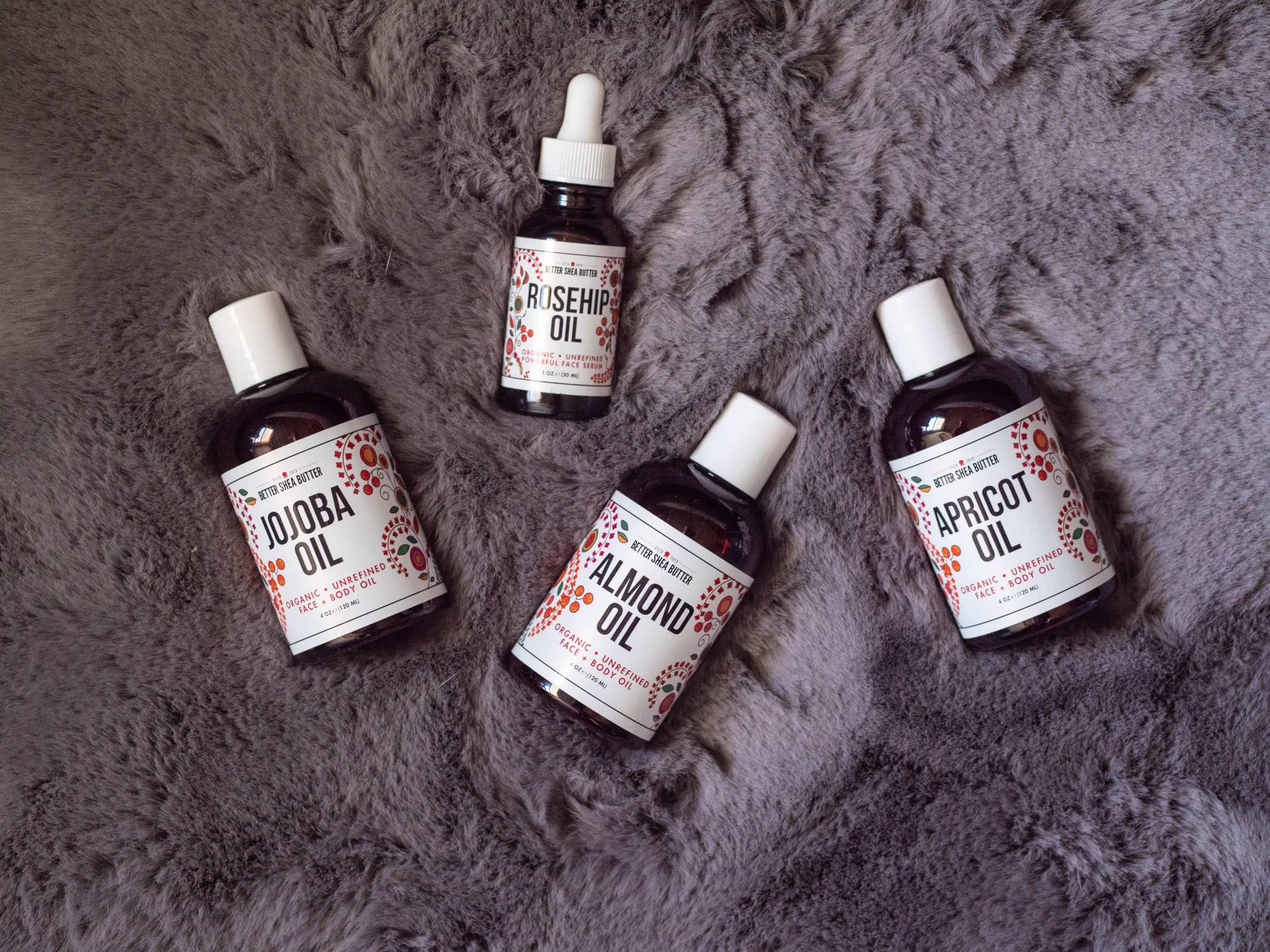
Using essential oils for minor burns can be safe when done properly. They may be applied in several ways, depending on the stage of healing. Selecting the Best carrier oil for wound healing—such as coconut oil, jojoba oil, or olive oil—helps dilute essential oils while nourishing damaged skin and supporting barrier repair. You can also explore complementary approaches like Essential oils for wound healing after surgery for additional guidance on safe topical use.
Compress
One effective approach is to use a compress, particularly for a very recent minor burn. To prepare:
- Add approximately 5 drops of your selected essential oil to 1 cup of warm water. You may combine compatible oils if desired.
- After shaking well to disperse the oil, soak a clean cloth in the mixture and gently apply it to the affected area.
- Repeat until the prepared water is used up.
Continue applying fresh compresses daily until the burn begins to improve.
Salve, balm, lotion, or ointment
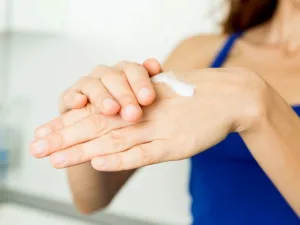
Another method involves blending essential oils into a moisturizing base or carrier oil.
This technique is best used once the burn has started healing. Applying oily substances to a fresh burn may trap bacteria and potentially worsen infection. For this reason, this method is more appropriate for moisturizing and supporting skin recovery rather than preventing infection. Avoid using it on fresh or second-degree burns.
After inflammation decreases, combine 5 drops of essential oil with each ounce of lotion or carrier oil. Choosing the Best carrier oil for wound healing ensures optimal dilution and enhances skin hydration.
Suitable moisturizing bases include creams, lotions, ointments, and the following carrier oils:
- olive oil
- coconut oil
- avocado oil
- jojoba oil
- sunflower oil

Apply the prepared mixture directly to the healing burn until it resolves.
If you notice increased inflammation, itching, or a rash, discontinue use immediately. This may indicate an allergic reaction. To minimize risk, perform a patch test on a small area of skin before applying to the burn.
Oral consumption of essential oils is not recommended. Some can be toxic, and product quality varies. Keep in mind that essential oils are not approved or reviewed by the FDA, and it’s important to select products from reputable brands.
When to see a doctor
For mild first-degree burns and sunburns, essential oils may serve as supportive home remedies. In certain cases, they may also assist with very small second-degree burns.
However, if you develop a second-degree burn, it’s advisable to seek medical evaluation first. Blistering, significant pain, swelling, redness, and signs of infection may indicate a more serious injury. The risk of infection is greater with second-degree burns.
Seek immediate medical attention if you experience a third-degree burn or notice signs of infection. Third-degree burns may appear discolored, leathery, or rough in texture. Even if pain is minimal, always consult a doctor in such cases.
If a burn is extensive or covers a large portion of the body, consult a healthcare professional promptly. Do not rely solely on essential oils or home remedies except in cases of small, minor burns.

















Leave a Reply
You must be logged in to post a comment.