
Scars on the legs can develop in many forms, including raised, indented, or discolored marks. Fortunately, there are numerous medical treatments, topical solutions, and home strategies that may help improve their appearance. If you’re searching for the Best oil for scars on legs, understanding the type of scar you have and how it formed is the first essential step toward effective care.

Scarring is a normal part of the body’s wound-repair process. While most scars do not completely disappear, a range of medical procedures and over-the-counter (OTC) products can help minimize their visibility and support smoother-looking skin over time.
Treating wounds to reduce scars on your legs
Proper wound care is one of the most reliable ways to limit scar formation. In fact, early and consistent care often determines how noticeable a scar may become. Using the Best oil for scars on legs after the wound has closed can support skin hydration, but prevention begins at the time of injury. The American Academy of Dermatology recommends the following steps:
- Keep the injured area clean.
- Use petroleum jelly for moisture.
- Cover the skin with a bandage.
- Change the bandage daily.
- Get stitches if needed.
- Use sunscreen on the wound area once it has healed.
- Seek care right away if your wound becomes infected or is deep or painful.
» MORE:What Are the Best Scar Creams?
Avoiding hypertrophic scars
During healing, you may be able to prevent or reduce hypertrophic (raised) scars and keloid scars. A dermatologist might recommend targeted interventions such as pressure therapy, laser therapy, cryosurgery, or polyurethane dressing. Many of these approaches (outlined below) may also improve the appearance of older scars.
If you’re uncertain about a mark on your skin, it’s wise to have a physician evaluate it. In some cases, a cancerous lesion can resemble a scar. Other dermatologic conditions may also mimic scar tissue.
Types of scars
The most appropriate treatment for a leg scar depends on the specific type and its underlying cause.
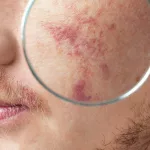
Leg scars can result from injuries, burns, acne, surgical procedures, or inflammatory skin conditions. You can often distinguish the type of scar by its appearance:
- Atrophic scars are typically flat or sunken into the skin and may appear darker than surrounding tissue. Acne scars and chickenpox scars are common examples.
- Hypertrophic scars rise above the skin’s surface and are often darker than nearby skin.
- Keloid scars are thick, raised, and may extend beyond the original injury site. They often appear darker as well.
- Contracture scars usually occur after burns and develop when large areas of skin are damaged. The remaining skin may look tight and shiny.
Treating burn scars on your legs
Burn scars form due to excess collagen production during healing. Burns may lead to hypertrophic scars, contracture scars, or keloid scars on the legs. First-degree burns typically heal without scarring, while second- and third-degree burns are more serious and often require medical supervision.
Treating a second-degree burn
- Apply antibiotic ointment to the burn.
- Cover the burn with sterile, nonstick gauze.
- Usually heals within two weeks and sometimes leaves a scar.
Treating a third-degree burn
- Wear a compression garment over the burn.
- Ask your doctor if you’ll need a skin graft.
- Your doctor may recommend surgery to release a tightened area.
- See a physical therapist for range-of-motion exercises.
- Usually heals in months or years and always leaves a scar.
Treating razor burn on your legs
Razor bumps or razor burn can develop on the legs after shaving, often due to ingrown hairs. The area may become red, irritated, and bumpy.
In many cases, razor bumps improve with simple at-home care. Consider the following strategies:
- Allow the skin to recover before shaving again.
- Reduce shaving frequency, even if only by a day or two.
- Apply moisturizer after shaving.
- Use a cool, damp washcloth to soothe the area.
- Exfoliate gently before shaving to help free ingrown hairs (avoid tweezers or needles).
- Apply aspirin paste to the affected area.
- Use coconut oil, aloe vera, witch hazel or tea tree oil.
- Try a hydrocortisone cream.
If razor bumps persist beyond two to three weeks, consult your doctor. Prescription topical or oral medications may be necessary.
Treating atrophic scars on your legs
Atrophic scars appear depressed because the skin was unable to regenerate sufficient tissue. A licensed dermatologist may suggest one or more of the following treatments based on scar size, location, and severity:
- Chemical peels. These remove damaged outer layers of skin using chemical solutions, revealing smoother skin beneath.
- Fillers. Soft-tissue or dermal fillers, such as hyaluronic acid, can raise indented scars to align with surrounding skin.
- Skin needling. Also known as microneedling, this technique stimulates collagen production by creating tiny punctures in the skin.
- Punch excision and grafting. A punch excision removes the scar with a small surgical tool and closes the site with stitches. In punch grafting, healthy tissue fills the area before closure. These methods may be paired with laser resurfacing.
- Subcision. This approach uses a needle to release the fibrous bands beneath the scar, allowing the skin to rise.
Treating old scars on your legs
Older scars (those more than a few years old) are often permanent, but their appearance can sometimes be softened. A dermatologist can outline professional options, or you may consider supportive home care such as massage, silicone products, or the Best oil for scars on legs to enhance skin texture and elasticity.
Natural and home remedies for leg scars
Some scars respond well to home-based approaches, either alone or alongside professional treatments. Consistency is key when using topical oils or moisturizers.
Oils and essential oils
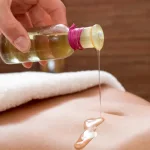
Essential oils may help improve the visual appearance of scars by supporting skin regeneration and hydration. If you’re exploring the Best oil for scars on legs, the following essential oils are commonly used:
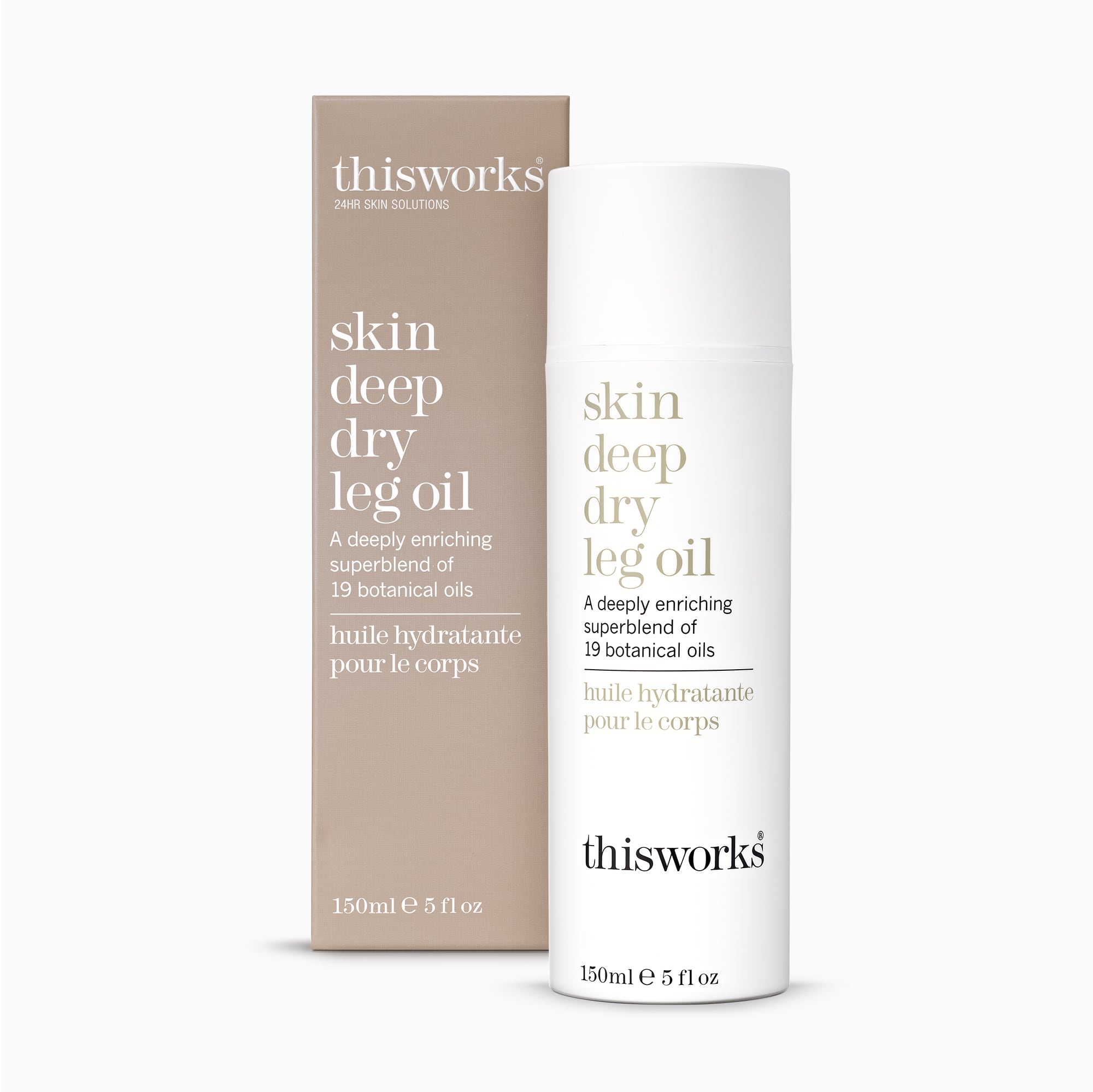
- rosehip seed oil
- helichrysum essential oil
- frankincense oil
- geranium oil
- lavender oil
- carrot seed oil
- cedar wood oil
- hyssop oil
- tea tree oil
- neroli oil
Other oils frequently applied for scar care include:

- vitamin E oil
- coconut oil
- almond oil
For individuals recovering from procedures, you may also want to review options like the Best scar oil after surgery to complement dermatologic care. If facial scarring is also a concern, see guidance on the Best oil for scars on face for targeted recommendations.
Massage
Massage therapy can assist in remodeling scar tissue by helping to soften or flatten thickened areas. It may also prevent scar tissue from binding to underlying blood vessels, tendons, muscles, nerves, and bones. You can seek a trained massage therapist or ask your doctor to demonstrate safe techniques for home use.
Exfoliating
Gentle exfoliation removes dead skin cells and may gradually enhance skin texture.
- Use an exfoliating cleanser and a loofah.
- After exfoliating, pat the area dry and apply a moisturizer.
- You can exfoliate as often as every three days.
Continue exploring store-bought or online products that support skin renewal and hydration.
Over-the-counter products
Certain OTC products may help reduce the visibility of leg scars when used consistently and as directed.
While the wound heals
During the healing phase of a cut or scrape, the following measures may help limit scar formation:
- Apply medical tape or an adhesive bandage over the wound or scab, changing it as needed to keep it clean.
- Use sunscreen on scabs to reduce discoloration.
- Consider silicone ointments or sheets after the wound closes to support healing.
- Polyurethane dressings, worn for about six weeks, may help reduce scar prominence.
After the wound heals
- Allow the wound to close fully before beginning scar-reduction methods like massage.
- Continue applying sunscreen to newly healed skin.
- Use a massage roller to help break down scar tissue.
- Apply moisturizers, including those enriched with essential oils, to maintain skin flexibility.
How a doctor can help
All medical treatments should be performed by a licensed dermatologist. Potential options include:
- Pressure therapy. A pressure dressing may be worn for up to one year; consult your doctor for proper application.
- Laser therapy. Focused light beams remove damaged skin layers.
- Corticosteroid, 5-FU or bleomycin injections. These are injected directly into the scar to decrease its size.
- Cryosurgery. This technique freezes scar tissue to destroy it.
- Scar surgery. Typically considered when other treatments are ineffective.
Additional treatments include skin needling, punch excision, and subcision, as described earlier.
If you don’t already have a dermatologist, the HealthEH FindCare tool can help you connect with physicians in your area.
Tips to keep in mind
- Don’t exfoliate every day.
- Don’t massage before your wound has healed.
- Don’t expect the scar to completely disappear.
- Don’t pick at scabs or developing scars.
- Don’t rely on treatments that aren’t supported by a licensed professional.
If you’re concerned about a scar’s appearance, have a doctor examine it. Occasionally, a cancerous lesion or other condition can resemble scar tissue.
Keloid scars, which may grow beyond the original wound boundaries, generally respond best to professional treatment.
The takeaway
Although most scars cannot be fully erased, many can be improved through dermatological procedures, OTC products, or consistent home care — including the thoughtful use of the Best oil for scars on legs. With the right strategy and realistic expectations, you can support healthier-looking skin and move forward with confidence.



















Leave a Reply
You must be logged in to post a comment.