

If you’ve ever stared at a baffling rash and wondered whether it’s shingles or scabies, you’re not alone. The right answer can mean the difference between a short‑term itch and a painful nerve‑burn that lingers for weeks. Below you’ll find the straight‑to‑the‑point facts, vivid pictures (in your mind’s eye), and some personal stories that make the medical jargon feel like a chat over coffee.
Why does it matter? Because shingles and scabies require completely different treatments. One needs antivirals, the other needs a medicated cream. Miss the right diagnosis and you could waste days (or weeks) feeling miserable, and in rare cases, you might even invite complications. Let’s cut through the confusion together.
Quick Comparison Table
| Feature | Shingles | Scabies |
|---|---|---|
| Cause | Reactivation of varicella‑zoster virus (the chickenpox virus) | Infestation by Sarcoptes scabiei mite |
| Contagious? | No – the virus re‑activates inside you | Highly – spreads by skin‑to‑skin contact |
| Typical age/risk | Usually > 50 years, immunocompromised | Any age; crowded living conditions |
| Primary sensation | Sharp, burning pain; mild itch | Intense, night‑time itch |
| Rash pattern | Unilateral band (dermatome) – chest, back, face | Small bumps & burrows in skin folds, wrists, webs |
| Prodrome | 1–2 days of tingling, burning before rash | Usually none; itch appears first |
| Key complications | Post‑herpetic neuralgia, eye involvement, pneumonia | Secondary bacterial infection, crusted scabies |
| Treatment | Oral antivirals (acyclovir, valacyclovir) + pain meds | Permethrin 5 % cream or oral ivermectin |
Notice how the pain‑vs‑itch, the location of the rash, and the contagiousness are the biggest clues. Below we’ll unpack each side in detail.
All About Shingles
What Is Shingles?
Shingles, also called herpes zoster, is the reawakening of the varicella‑zoster virus that caused you chickenpox as a kid. After chickenpox heals, the virus slips into your nerve cells and snoozes for years—sometimes decades—until something (stress, age, a weakened immune system) nudges it awake.
According to the Healthline overview, the virus then travels along a single spinal nerve, forming a strip‑shaped (dermatomal) rash on one side of the body.
Shingles Symptoms & Timeline
Here’s a quick timeline you can picture in your head:
- Day – 1: Tingling, burning, or an “electric” sensation in a specific area.
- Day 2‑5: Red patches appear, soon turning into fluid‑filled blisters.
- Day 6‑10: Blisters burst, crust over, and start to heal.
- Weeks 1‑4: The rash fades; in some people, nerve pain lingers (post‑herpetic neuralgia).
Typical shingles symptoms include intense pain, a rash that doesn’t itch much, and sometimes fever, headache, or a general feeling of illness.
Shingles Rash Picture (in words)
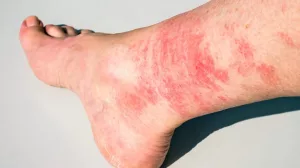
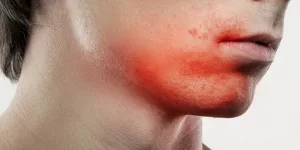
Imagine a strip of red, irritated skin hugging your torso. Tiny, clear vesicles pepper the strip, looking like a line of water balloons about to pop. As they break, they leave a crusty, honey‑colored scab. If you have darker skin, the hue may shift to pink, gray, or even deep purple, but the “band” shape stays the same.
When to Call a Doctor
If you spot that painful band, especially if you’re over 50 or immunocompromised, seek care within 72 hours. Antivirals work best the sooner you start them, cutting the rash’s duration and lowering the chance of post‑herpetic neuralgia.
Treatment Options
Standard care includes oral antivirals such as acyclovir, valacyclovir, or famciclovir. Pain control—acetaminophen, NSAIDs, or prescription nerve pain meds—helps the “burning” feeling. For those over 60, the CDC recommends the Shingrix vaccine to prevent future episodes.
All About Scabies
What Is Scabies?
Scabies isn’t a virus; it’s a tiny mite—Sarcoptes scabiei—that burrows under the skin to lay eggs. Think of it as an uninvited guest that builds tiny tunnels (burrows) in the uppermost skin layer.
A study published in JAMA Dermatology notes that the mite spreads most easily through prolonged skin‑to‑skin contact, making nursing homes, childcare centers, and crowded households hot spots.
Scabies Symptoms & Progression
Scabies symptoms appear anywhere but favor skin folds:
- Intense itch, especially at night.
- Small, pimple‑like bumps (papules).
- Thin, grayish‑white lines—burrows—often visible between fingers, on wrists, elbows, belly button, and even the genital area.
- In severe cases, crusted scabies (thick, scaly plaques) can develop, especially in immunocompromised people.
Unlike shingles, scabies doesn’t cause a “band” rash and the itch is the dominant symptom.
Scabies Rash Picture (in words)
Picture a hand with tiny, raised dots along the webbing of the fingers. Now draw thin, serpentine lines trailing out from those dots—those are the burrows. In the armpits or around the waistline, you might see clusters of red bumps that look like tiny pimples.
Who’s at Risk?
Everyone can catch scabies, but the odds rise in crowded settings, tropical climates, and among the very young or elderly. The World Health Organization estimates about 130 million people worldwide are affected each year.
Treatment & Prevention
The first‑line therapy is 5 % permethrin cream applied from the neck down, left on for 8‑14 hours, then washed off. For crusted scabies or when permethrin fails, oral ivermectin is an effective backup.
Prevention means laundering bedding, clothing, and towels in hot water, and vacuuming furniture. Everyone in the household should be treated at the same time to avoid reinfestation.
Spotting The Difference
Visual Cues
When you look at a rash, ask yourself these quick questions:
- Is the rash confined to one side in a strip? → Likely shingles.
- Is the itch worse at night and spread across skin folds? → Likely scabies.
- Do you feel sharp, burning pain or just itching? → Pain points to shingles; itching points to scabies.
- Can someone else in the house have similar symptoms? → Scabies spreads easily; shingles does not.
Checklist (for you to copy‑paste into your notes)
- Pain vs. itch?
- Location: band vs. folds?
- Timing: tingling before rash?
- Age/immune status?
- Any recent close‑contact with an infected person?
When Self‑Diagnosis Isn’t Enough
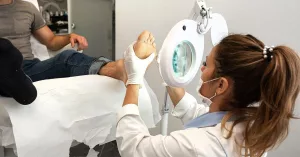
Even the best checklist can miss atypical presentations. If you’re unsure, a tele‑dermatology visit or an in‑person exam can settle the question quickly. Bring photos (if you can) and describe the sensations—doctors love details.
Real‑World Stories
Dermatologist Insight
Dr. Maya Patel, board‑certified dermatologist, tells us, “Patients often mistake scabies for an allergic rash because both itch. The key is the burrow—a tiny, raised line you can actually see with a magnifying glass.” She adds, “Shingles can be mistaken for a spider bite, especially when the rash is early. The pain is the giveaway.”
Patient Narrative
John, 63, thought his rash was “just an itchy thing” and scratched until it bled. “It started on my lower back, burning like a tiny electric shock. I ignored it, thinking it was a bug bite,” he says. Two days later, fluid‑filled blisters appeared in a perfect band. “I finally went to urgent care; they diagnosed shingles and started antivirals. Within a week the pain eased.”
On the opposite side of the coin, Lina, 28, woke up with an unbearable itch on her wrists and between her fingers. “My roommate had the same spots, and we were both scratching at night,” she recalls. After a quick visit, the doctor identified scabies burrows and prescribed permethrin. “All we had to do was wash everything in hot water and apply the cream. The itch faded in a few days.”
Bottom Line Summary
Both shingles and scabies produce rashes, but they couldn’t be more different in cause, feeling, and treatment. Shingles brings a painful, unilateral band caused by a virus that reactivates inside you; scabies causes relentless itching with tiny burrows due to a mite infestation that spreads easily between people.
Remember these quick takeaways:
- Painful band → shingles.
- Night‑time itch in folds → scabies.
- Contagious? Shingles no, scabies yes.
- Treatment: antivirals vs. permethrin/ivermectin.
When in doubt, don’t wait—consult a healthcare professional. Early treatment not only eases symptoms but also prevents complications.
Got a story of your own? Have you ever misread a rash and learned the hard way? Share in the comments below; we’d love to hear from you. And if this guide helped clear the fog, feel free to bookmark it or send it to a friend who might need a little skin‑SOS assistance.
















Leave a Reply
You must be logged in to post a comment.