

A combined colonoscopy and endoscopy enables a physician to evaluate both the upper and lower portions of your gastrointestinal tract during a single visit. If you’re wondering What happens at a gastroenterology appointment when these procedures are scheduled together, this guide walks you through each step so you know what to expect.
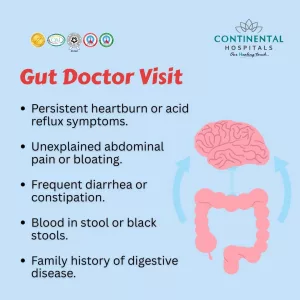
Healthcare providers recommend a combined colonoscopy and endoscopy to identify the source of gastrointestinal symptoms such as abdominal pain, ongoing heartburn, difficulty swallowing, or irregular bowel movements. Performing both procedures at once can streamline diagnosis and reduce the need for multiple appointments.
Both colonoscopies and endoscopies are typically safe and are associated with a low risk of complications when carried out by trained specialists.
Continue reading to understand when doctors suggest a combined procedure, how to prepare, and what occurs before, during, and after your visit.
What is the goal of a combined colonoscopy and endoscopy?
The primary purpose of pairing an endoscopy with a colonoscopy is to closely inspect the lining of your esophagus, stomach, upper small intestine, and large intestine in one session. This comprehensive evaluation helps physicians pinpoint the underlying cause of digestive symptoms and develop an appropriate treatment plan.
An endoscopy can help determine the cause of:
- bleeding
- pain
- persistent heartburn
- nausea and vomiting
- difficulty swallowing
- unexplained weight loss
A colonoscopy can help your doctor determine the cause of:
- abdominal pain or discomfort
- diarrhea
- changes in your bowel activity
- anal bleeding
- unexpected weight loss
By combining these diagnostic tools, physicians may detect a range of conditions, including:
- internal inflammation or swelling
- blockages or structures that are obstructing your gastrointestinal tract
- celiac disease
- ulcers
- gastroesophageal reflux disease (GERD)
- cancer
For many patients asking What happens at a gastroenterology appointment, this dual approach offers clarity more quickly than scheduling separate procedures.
What’s the procedure like for a combined colonoscopy and endoscopy?
Before the procedure
Your healthcare team will typically give you written instructions outlining how to prepare. These guidelines may include temporarily stopping certain medications, such as proton pump inhibitors (PPIs) or constipating agents, about a week prior to the procedure.
Preparation is an important part of What happens at a gastroenterology appointment, especially for accurate visualization. The day before your combined endoscopy and colonoscopy, you may need to take an oral laxative (known as a “bowel prep“) to thoroughly empty your bowels. A clean colon allows your doctor to clearly assess the intestinal lining and detect any abnormalities.
You’ll likely be instructed to avoid eating or drinking for 8 hoursbefore the exam. If you’re unsure about dietary restrictions, you can review guidance on Can I eat before a gastroenterology appointment for additional clarity.
It’s essential to tell your doctor if you have a known allergy or reaction to anesthesia or sedatives so appropriate precautions can be taken.
During the procedure
After you arrive at the hospital or outpatient clinic, you’ll complete an assessment form. A nurse or physician will review your medical history and check your blood pressure and pulse. You may be asked to change into a gown provided by the facility.
Before the procedure begins, you’ll meet the endoscopist. This is your opportunity to discuss What will the gastroenterologist do on first visit and clarify any remaining concerns about sedation, risks, or recovery.
During the procedure, you’ll receive a light sedative through an intravenous (IV) line in your arm so you won’t feel any discomfort. Throughout the exam, your healthcare team will monitor your pulse, blood pressure, and oxygen levels to maintain your safety.
During the endoscopy
For the endoscopy portion, the physician gently guides an endoscope through your mouth and down your throat, passing through the esophagus, stomach, and into the duodenum.
The endoscope contains a small camera that transmits images of your gastrointestinal tract to a monitor. It can also introduce air into the GI tract, improving visibility and allowing the doctor to examine the lining more carefully.
If necessary, the doctor may collect a tissue sample (biopsy), treat areas of bleeding, or remove an obstruction during this part of the procedure.
During the colonoscopy
Once the endoscopy is complete, the physician inserts a colonoscope through your anus and rectum to evaluate the large intestine. The colonoscope inflates the intestine with air to enhance visualization.
In some cases, a stream of water instead of blowing air into the intestine is used, which some individuals find more comfortable.
After the colonoscope reaches the junction with the small intestine, the doctor slowly withdraws it while carefully inspecting the colon. As with the endoscopy, the physician can remove polyps or take tissue samples for biopsy if needed.
After the procedure
If your exam is performed at an outpatient center, you may need to remain there for a couple of hours while the anesthesia wears off. This observation period ensures you are stable before discharge.
Because sedatives can impair alertness, you should not drive for 24 hours. Arrange for someone to take you home following your appointment.
The total time for a combined procedure ranges from 5 to 90 minutes. An endoscopy typically lasts 15 to 30 minutes, while a colonoscopy may last 0to 60 minutes.
What’s the recovery like for a combined colonoscopy and endoscopy?
Following the procedure, you might notice temporary symptoms including:
- a light blood discharge from your rectum if the doctor removed polyps during the examination
- abdominal pain caused by the air pumped in during the procedure
- nausea for a couple of hours after the end of the exam
- sore throat for a couple of days after the test
Your physician may discuss preliminary findings with you before you leave. However, if a biopsy was taken, results can take several days to process.
What are the potential risks or side effects of a combined colonoscopy and endoscopy?
The possible risks and side effects are uncommon but can include:
- abdominal pain
- bleeding
- perforation
- reaction to sedatives causing heart or breathing problems
Seek immediate medical attention if you develop:
- bloody vomit
- throat pain or difficulty swallowing
- bloody diarrhea or bowel movements
- blood discharge from your rectum that does not get better
- severe abdominal pain that gets worse
- chest pain
- dizziness or weakness
How much does a combined colonoscopy and endoscopy cost?
In the United States, the average cost of a combined colonoscopy and endoscopy differs by state, city, and facility. According to MDsave, prices range from $2,346 to $10,221, depending on where the procedure is performed.
In general, it’s less expensive to have both procedures completed on the same day rather than scheduling them separately.
Most insurance plans cover a combined colonoscopy and endoscopy when a doctor determines they are medically necessary. If you’re uncertain about coverage, contact your insurance provider directly for details.
Takeaway
A combined colonoscopy and endoscopy provides a comprehensive way to evaluate digestive symptoms such as abdominal pain, chronic heartburn, or unusual bowel changes. Understanding What happens at a gastroenterology appointment can help reduce anxiety and ensure you’re prepared for each stage of the process.
Although complications are rare, potential risks include perforation or internal bleeding. Your healthcare team will closely monitor you throughout the procedure to prioritize your safety and comfort.




















Leave a Reply
You must be logged in to post a comment.