
Chiggers, sometimes referred to as red bugs, are tiny mites capable of biting humans and triggering significant itching, inflammation, and changes in skin color. In most cases, symptoms clear up on their own without long-term effects. However, several supportive treatments can ease discomfort and calm irritated skin.
If you’re wondering What states have chiggers in the winter in texas, it’s important to understand how climate affects their activity. While chiggers are most active in warmer months, mild winter temperatures in parts of Texas and other southern states may allow limited activity. For a broader regional overview, you can review What states have chiggers in the winter and explore seasonal distribution trends on the What states have chiggers in the winter map. Below, we’ll examine what chigger bites look like, how they develop, and the most effective ways to manage symptoms.
What are chigger bites?
Chiggers are microscopic mites belonging to the Trombiculid family that thrive in wooded areas and grassy landscapes. During their larval stage, they attach to human skin and cause irritation through their bites. Contrary to popular belief, they do not burrow into the skin.
Adult chiggers are not parasitic and do not bite humans. The issue arises only when they are in their larval stage.
According to the American Osteopathic College of Dermatology (ACOD), chigger larvae measure approximately 1/120 and 1/150 inches in diameter, making them extremely difficult to detect with the naked eye.
They commonly target exposed areas of the body or places where clothing fits snugly and provides access to the skin.
These larvae feed on skin cells by releasing a digestive enzyme, which leads to intense itching and irritation. This skin reaction is known as trombiculiasis. The itching can be persistent and may significantly disrupt daily activities or sleep.
Where do chiggers bite?
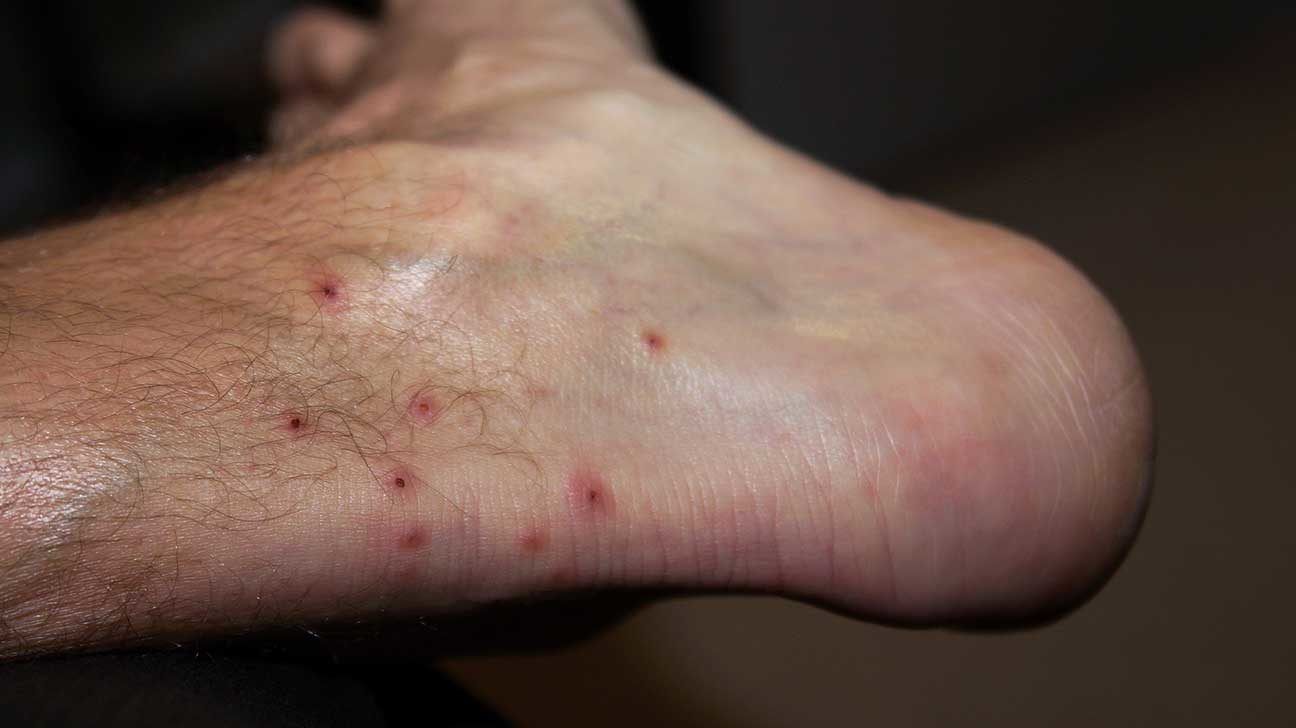
Chiggers often cling to clothing first and then travel to the skin. They are frequently found on the:
- lower legs
- ankles
- behind the knees
- armpits
- waistline
- groin
These regions are especially vulnerable because tight clothing or natural skin folds create an ideal environment for larvae to attach and feed.
Symptoms of chigger bites
Bites from chigger mites may lead to:
- itching and skin irritation
- changes in skin color
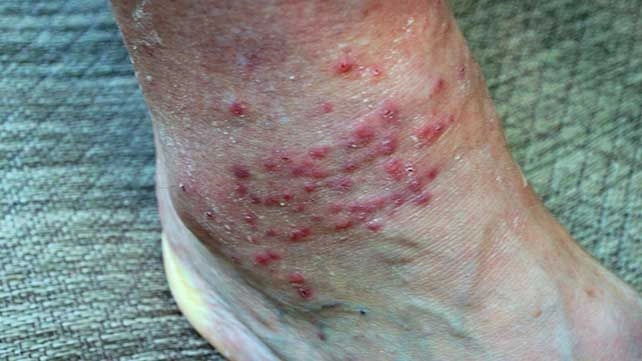
- clusters of tiny, spot-like bumps
You typically won’t notice when a chigger attaches to your skin or even when it bites. Most individuals begin experiencing symptoms within a few hours.
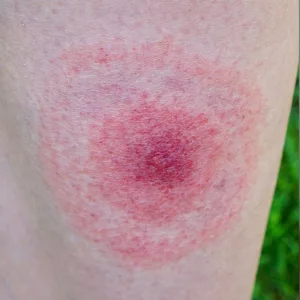
The hallmark symptom of chigger bites is severe itching accompanied by small raised bumps that can resemble welts, blisters, pimples, or hives. Scratching may worsen inflammation and increase the likelihood of secondary skin infection.
Chigger bites are most common in areas where clothing is tight against the body, including the ankles, waist, armpits, groin, and behind the knees.
Complications
The possibility of disease transmission through chigger bites has not been extensively studied. However, in rare instances, chigger bites can transmit scrub typhus. Without appropriate treatment, scrub typhus may lead to multiple organ failure and can be life-threatening.
While transmission of other infectious diseases is theoretically possible, current scientific evidence remains limited.
How do you get chigger bites?
In the Northern Hemisphere, chigger bites are largely seasonal. Larvae typically mature between June and September, making trombiculiasis more prevalent during summer and early fall. In tropical climates, however, chigger mites may remain active throughout the year.
When exploring the question What states have chiggers in the winter in texas, regional weather patterns matter. In areas of Texas with mild winters, chiggers may persist longer than in colder northern states where freezing temperatures limit their survival.
You are more likely to encounter chiggers in overgrown grass, wooded regions, or damp soil near lakes, rivers, and other bodies of water. Outdoor activities such as hiking, camping, or gardening can increase exposure risk.
Chigger vs. bed bug vs. flea vs. mosquito bites
Chigger bites share similarities with other arthropod bites, but certain features can help differentiate them.
Bed bug bites often appear in a zigzag or clustered pattern of raised red bumps. In contrast, chigger bites are usually concentrated in areas where tight clothing meets the skin and may present as flat or raised lesions.
Flea bites may resemble chigger bites in distribution and size. However, chigger bites frequently develop a hardened or scab-like center.
Mosquito bites are typically larger, isolated bumps that occur individually rather than in tight clusters.

How are chigger bites treated?
Treatment focuses primarily on symptom relief, particularly reducing itching and swelling.
The following measures may help ease inflammation and discomfort:
- cold compresses to soothe irritated skin
- over-the-counter anti-itch products such as hydrocortisone cream or calamine lotion
- oral antihistamines to reduce allergic-type reactions
In more severe or complicated cases, a healthcare professional may recommend:
- corticosteroid injections if significant inflammation occurs, though this is rare
- doxycycline if scrub typhus develops following a bite
Avoid scratching the affected areas, as this can break the skin barrier and increase the risk of bacterial infection.
How long do chigger bites last?
Chigger bites may take up to 2 weeks to fully resolve.
If you believe you have been exposed, promptly wash your skin with soap and water and launder your clothing. This helps eliminate any remaining larvae.
Refrain from scratching, and consider applying an antiseptic to any open or irritated areas. Most cases improve steadily with supportive care.
How can I reduce my risk of getting chigger bites?
Because chiggers are nearly invisible in grassy or wooded environments, prevention strategies are broad but effective.
Avoid common chigger habitats
Chigger activity peaks during spring, summer, and fall. When spending time outdoors in wooded or grassy areas, avoid brushing against dense vegetation. While hiking, remain in the center of trails rather than along the edges.
Chiggers are commonly found in tall grass, weeds, berry patches, and wooded terrain. They may also inhabit residential yards, lakesides, and popular hiking routes. They are most active during warm afternoons.
Clothing
Wear long-sleeved shirts and long pants, tucking pant legs into socks or shoes to limit skin exposure. Apply insect or tick repellent around shoe tops, shirt collars, cuffs, and waistbands. Shower promptly after returning indoors and wash clothing in hot water to remove potential mites.
When to see a doctor
Seek medical care if your chigger bites do not improve within 2 weeks, if swelling worsens, or if you develop signs consistent with scrub typhus, including:
- a dark scab-like lesion at the bite site
- fever
- chills
- headache
- body aches and muscle pain
- mental confusion
- enlarged lymph nodes
- rash
Summary
Chigger bites can produce intensely itchy, inflamed bumps on the skin. These larval mites are prevalent in grassy and wooded settings and are often too small to notice.
In most situations, symptoms resolve without complications. Cold compresses, antihistamines, and topical anti-itch treatments can provide meaningful relief.
If symptoms persist beyond 2 weeks or worsen, consult a healthcare professional for evaluation and appropriate care.


















Leave a Reply
You must be logged in to post a comment.