
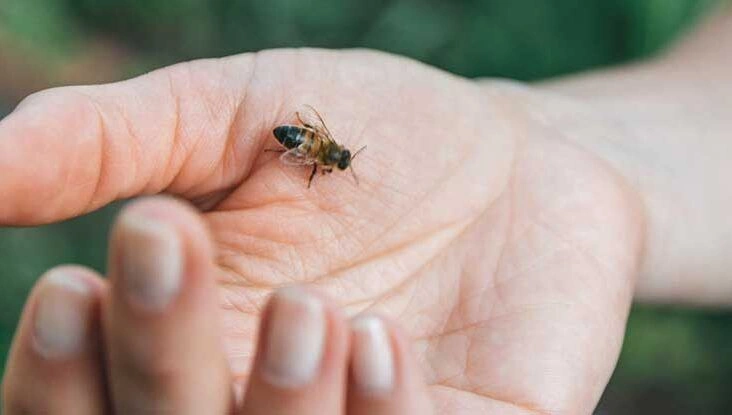
For many people, a bee sting is an annoyance that causes brief pain and itching at the spot of the sting. Home treatments can ease symptoms, but seek immediate medical care if signs of anaphylaxis appear.
If you are stung by a bee, stay calm, remove the stinger, wash the area, and apply ice to reduce swelling.
Unless you’re allergic to bee venom or showing symptoms of a severe allergic response, most bee stings can be managed at home.
Alongside basic first aid, a number of home remedies have long been thought to calm inflamed skin and ease itching — for example, applying honey or aloe vera.
Below we outline conventional medical care for a honey bee sting, common home treatments for mild sting symptoms, and how to spot an allergic reaction.
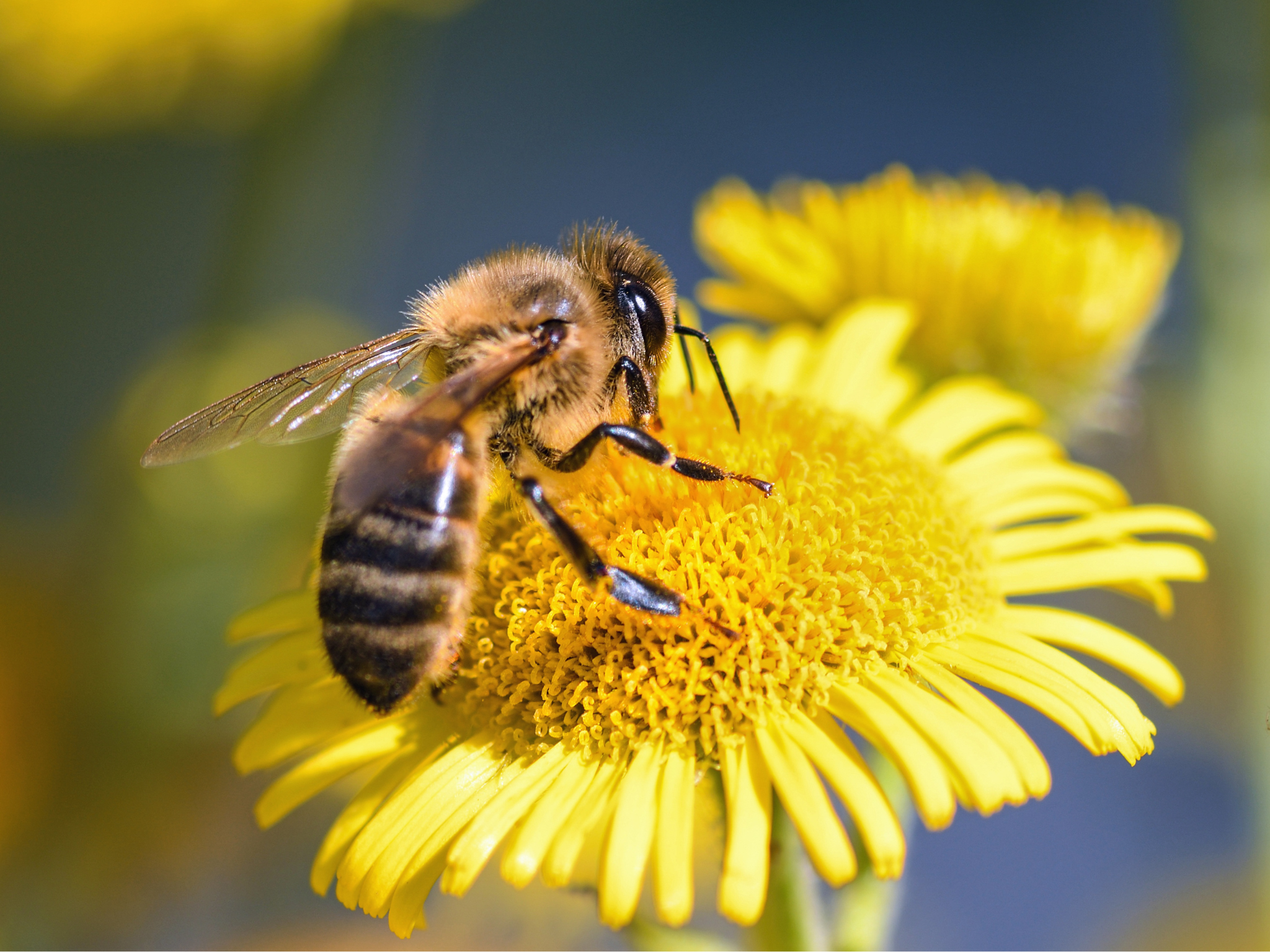
Conventional care for a bee sting
Key first-aid actions for a honey bee sting include:
- Remove the stinger as quickly as possible.
- Clean the area with soap and water.
- Refrain from scratching, as this can increase the risk of infection.
A review of research on removing honey bee stingers emphasizes that prompt removal is crucial because the stinger continues to inject venom while lodged in skin.
It’s generally recommended to brush or scrape the stinger out using a fingernail or a credit card. Pinching or pulling it out is less ideal but might be necessary in some cases.
After these initial steps, the following trusted methods can help manage the sting and lessen discomfort.
1. Ice
Cold packs lessen pain and swelling by decreasing blood flow to the injured area.
Do not place ice directly on bare skin, as it can cause ice burn.
2. Anti-inflammatories
Nonsteroidal anti-inflammatory drugs (NSAIDs) like ibuprofen (Motrin, Advil) can help reduce inflammation and relieve pain.
Itching and redness can also be treated with hydrocortisone cream or calamine lotion.
3. Antihistamines
Oral antihistamines such as diphenhydramine (Benadryl) or cetirizine (Zyrtec) are helpful for easing itching and swelling. Antihistamines help temper the immune response responsible for allergic symptoms.
Anything beyond a mild allergic reaction should be evaluated by a healthcare provider right away.
At-home remedies for bee stings
Bee stings are commonly managed using a mix of standard first aid and home remedies.
Some widely used at-home treatments for bee sting symptoms lack strong scientific backing, yet they have been passed down through generations and remain popular.
Make sure none of these home remedies increase pain or worsen the sting. If they do, stop immediately, clean the area with soap and water, and avoid repeating that method.
1. Honey
Honey may promote wound healing and help prevent infection.
A review reported that medical-grade honey (MGH), such as Manuka honey, can reduce inflammation and has notable antimicrobial effects, meaning it may inhibit bacteria and fungi. It’s less certain whether conventional household honeys have the same potency.
Honey is also thought to oxygenate wounds and help remove dead tissue, aiding the healing process.
To use medical-grade or regular honey for a bee sting, apply a small amount to the affected area, cover with a loose dressing, and leave it in place for up to an hour.
2. Baking soda
A paste of baking soda and water is used for many insect bites and stings. Baking soda is believed to neutralize bee venom, which may reduce itching and swelling.
The Centers for Disease Control and Prevention (CDC) recommends baking soda paste to soothe mosquito bites, and many people apply it to bee stings as well:
- Mix 1 teaspoon of water with enough baking soda to form a thick paste.
- Apply the paste to the affected area.
- Leave it on for 10 minutes.
- Rinse off.
3. Toothpaste
There’s limited scientific evidence that toothpaste helps bee stings. Still, some people think alkaline toothpaste (high pH) neutralizes the acidic venom of honey bees (low pH). If that were true, toothpaste would not be effective for wasp stings, since wasp venom is alkaline.
Like baking soda, toothpaste is believed to draw out venom. Mint-flavored varieties are also said to provide a cooling, soothing sensation.
To try this inexpensive remedy, dab a small amount of toothpaste onto the sting and wipe it off after several minutes.
4. Apple cider vinegar
Apple cider vinegar is used for a variety of home health purposes, from skin care to blood sugar management. Not all claims are research-backed, but it has demonstrated antibacterial activity in laboratory studies against certain strains.
Soak the sting site in diluted apple cider vinegar for a few minutes, or moisten a cloth or bandage with vinegar and apply it to the area. Discontinue if it causes irritation.
5. Aloe vera
Natural topicals like aloe vera are associated with wound care and may help ease bee sting symptoms.
Aloe vera has multiple uses, including soothing skin. You can buy ready-made gel or use gel from a fresh aloe leaf: break off a leaf and squeeze the gel directly onto the sting.
6. Witch hazel
Witch hazel is a plant-derived astringent and mild antiseptic. It’s commonly recommended for insect bites and bee stings to reduce swelling, pain, and infection risk, though high-quality clinical research supporting this is limited.
Allergic responses to bee stings
The majority of people who are stung by a honey bee experience only local discomfort at the sting site. Mild allergic reactions may lead to larger-than-normal swelling and increased redness around the area.
For individuals who are severely allergic to bee venom, or for those stung multiple times, the reaction can be much more serious. The CDC reports that between 2000 and 2017, an average of several dozen people per year died from hornet, wasp, and bee stings.
In rare instances, bee stings can trigger a life-threatening allergic response called anaphylaxis. This occurs when the immune system overreacts to the allergen, pushing the body into crisis. Symptoms can begin within minutes or may take up to about 30 minutes to appear.
Anaphylaxis is a true medical emergency. If you suspect you or someone else is undergoing anaphylaxis, seek emergency medical attention immediately.
The American Academy of Allergy, Asthma & Immunology (AAAAI) lists key symptoms of anaphylaxis, including:
- hives (itchy, discolored welts on the skin)
- paleness or flushed face
- swelling of the tongue and throat
- difficulty breathing
- coughing or wheezing
- nausea and vomiting
- abdominal cramping
- diarrhea
- dizziness
- loss of consciousness
Optum Now is operated by RVO Health. By clicking this link, we may receive a commission. Learn more.
Emergency care for severe allergic reactions
Treating anaphylaxis and other serious allergic reactions typically involves several interventions used together.
This may include the following medical measures and additional approaches:
- Epinephrine (EpiPen). If you’ve experienced anaphylactic shock from a bee sting previously, you should carry an EpiPen at all times. The device delivers epinephrine (adrenaline), which counters the allergic response by opening airways and helping to stabilize blood pressure.
- Oxygen. In the hospital, oxygen therapy can support breathing.
- IV antihistamines. Medications such as diphenhydramine or promethazine can be given intravenously to reduce histamine-driven symptoms and calm the immune response.
- IV and oral corticosteroids. These drugs mimic cortisol and suppress immune activity, allowing inflammation to subside.
If you are stung again and you have an EpiPen, using it may prevent a severe allergic outcome, but you still need to go to the emergency department.
Let friends and family know you carry an EpiPen so they can use it in an emergency if you’re unable. The injection is typically administered into the thigh.
Frequently Asked Questions
How long does it take for a bee sting to heal?
Most bee stings heal within about a week. If symptoms persist beyond that, consult a healthcare professional.
What can I use to scrape a bee stinger out?
It’s generally recommended to brush or scrape the stinger out with a fingernail or a credit card. Avoid scratching the area to reduce the risk of infection.
Is hydrogen peroxide good for bee stings?
Hydrogen peroxide is not recommended for bee stings because it can impede healing and may worsen symptoms.
Takeaway
Honey bee stings can be painful, but the discomfort is usually short-lived. If stung, try to remain calm and remove the stinger promptly. Clean the site with soap and water, and apply ice to limit swelling.
Various home remedies — including honey, apple cider vinegar, and aloe vera gel — are thought to help prevent infection, soothe the skin, and support healing. Some of these remedies are mainly anecdotal, while others have some research backing.
Serious allergic reactions are possible. Seek emergency help if you experience breathing difficulties, hives, or other signs of anaphylaxis. People with a known bee allergy should always carry an EpiPen.

















Leave a Reply
You must be logged in to post a comment.