Carpet beetles generally aren’t hazardous to health unless you have an allergy to them. Their main issue is they can damage animal-derived textiles such as wool or fur found around the house.
Carpet beetles are a common household beetle species.
They can be located in many places, but are most often found in:
carpets
closets
air vents
baseboards
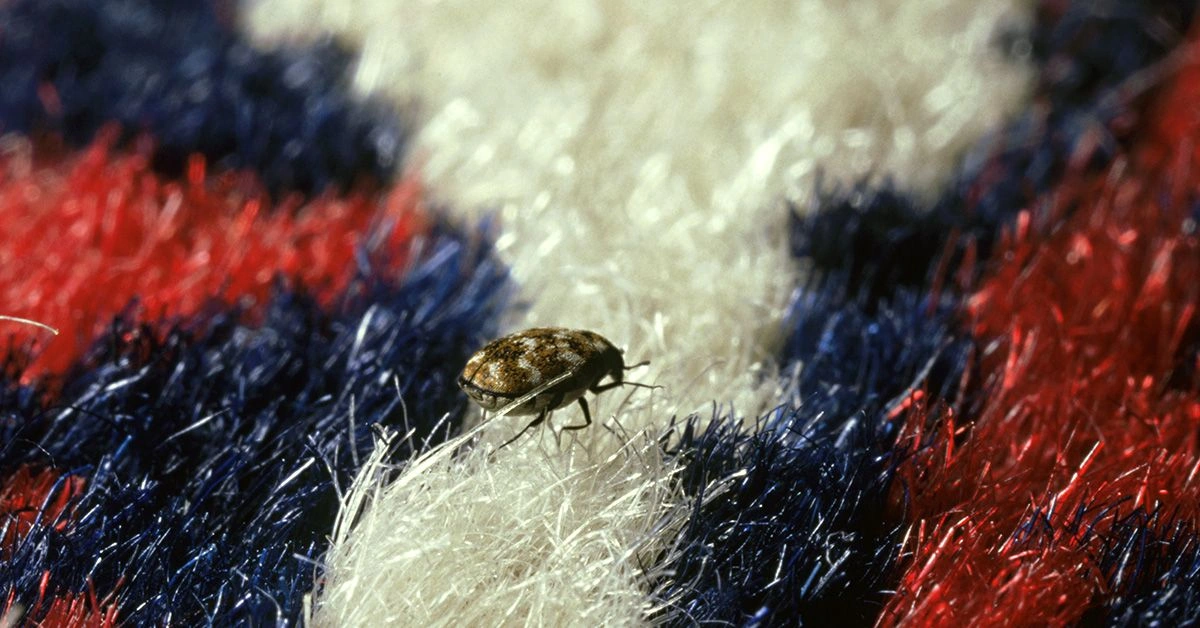
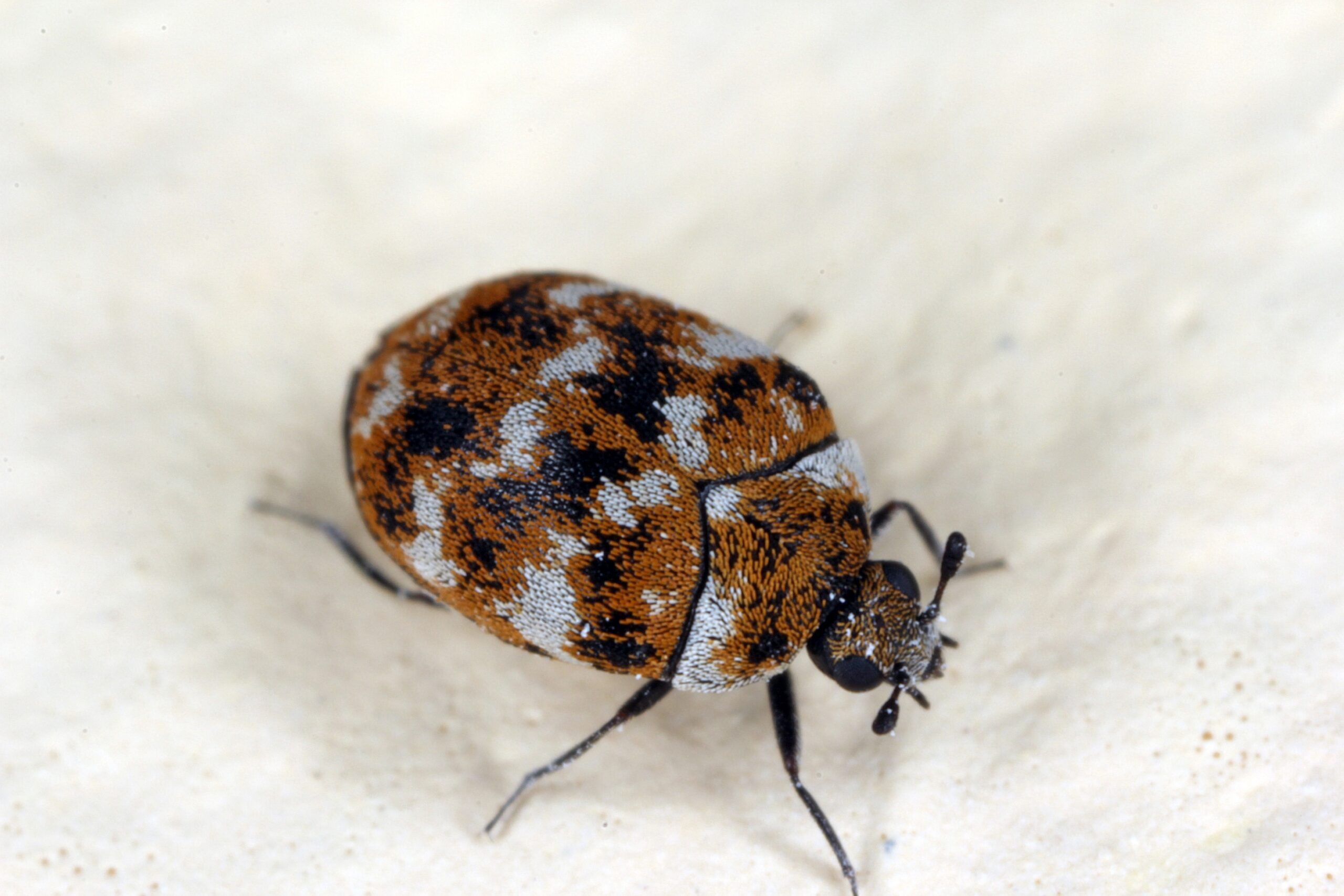
Adult carpet beetles measure about 1/16 to 1/8 inch and have an oval form. Their coloration varies from solid black to mottled patterns of white, brown, yellow, and orange.
Larvae — the juvenile stage of carpet beetles — are about 1/8 to 1/4 inch long and are tan to brownish. They are covered in bristles and periodically shed their skins as they develop.
Carpet beetles are more damaging to fabrics and rugs than they are harmful to people.
ADVERTISEMENT
Do carpet beetles bite?
Carpet beetles do not bite people. They are scavengers and primarily consume dead animal materials and other organic debris, as well as dry substances.
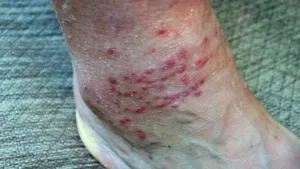
Carpet beetle rash
While most people aren’t allergic, some individuals can react to carpet beetles. The allergy is typically to the larval bristles or the shed skins.
These allergens can trigger reactions when they contact your:
skin
eyes
airways
digestive system
Allergic symptoms from carpet beetles may include:
red, itchy, watery eyes
runny nose
itchy skin
a rash that resembles welts or bite marks and may burn
hives
gastrointestinal upset
Once you remove the beetles and the shed skins from your home, these allergic symptoms should subside.
There is some evidence people can become less sensitive over prolonged exposure, but eliminating the beetles is typically the preferred solution.
ADVERTISEMENT
Other damaging risks
Aside from allergic reactions, the larvae damage fabrics by chewing through them, and this damage is often mistakenly attributed to moths.
They generally feed only on natural, animal-based materials such as:
wool
feathers
felt
fur
silk
leather
They may also consume items like natural-hair brushes, hair, and other human or animal detritus that accumulates around the home.
Carpet beetles typically avoid cotton, linen, and other plant-based or synthetic fabrics, though they may attack blended fabrics or textiles stained with animal products.
Feeding often occurs along fabric edges, in folds, and on the undersides of rugs.
Only the larvae feed on textiles; adult beetles feed on nectar and pollen.
What draws carpet beetles indoors?
Carpet beetles are commonly attracted to light and warmth inside homes. They can fly in from outdoors or be carried in on pets or clothing.
Certain species may infest seeds, cereals, pet food, and other plant-derived goods and enter homes via those items. Once inside, they can be drawn to sweat odors on garments.
To reduce the chance of carpet beetles entering your home:
Wash and dry-clean clothing before long-term storage to kill any eggs and remove sweat smells.
Store garments in airtight containers and inspect them periodically for signs of beetles.
Use mothballs in closets and with stored garments where appropriate.
Regularly clean carpets, rugs, upholstered furniture, air vents, and baseboards.
Inspect flowers for carpet beetles before bringing them indoors.
Install screens on windows and doors or keep them closed.
Remove dead insects, spider webs, and animal nests around your home.
ADVERTISEMENT
How to eliminate carpet beetles
Finding beetles — especially larvae — or their shed skins is a strong indication of a carpet beetle infestation.
If you discover an infestation, it’s important to identify where they are living and laying eggs. Examine all textiles they might consume, paying close attention to folds and creases.
After isolating the infested items:
Wash, dry-clean, or discard any infested fabrics. Use hot water when washing. Another option is freezing items for about two weeks to kill beetles and eggs.
If an item can’t be laundered, treat it with an insecticide labeled for indoor use, following the product directions carefully. Never spray insecticide directly on bedding or clothing.
Vacuum floors, carpets, and heating vents thoroughly, especially along edges and baseboards.
For severe infestations, professional fumigation may be necessary.
Carpet beetles or bed bugs?
When carpet beetles inhabit your bed, distinguishing them from bed bugs can be difficult. Both can live in mattresses and bedding and are attracted to the carbon dioxide you exhale during sleep.
Both pests can produce welt-like skin reactions. However, bed bug welts are caused by bites, whereas carpet beetle-related rashes are allergic responses to the larvae or shed skins.
If only one person sleeping in the bed develops bites or a rash, carpet beetles are more likely. Most people show allergic reactions to bed bug bites, while fewer are allergic to carpet beetles.
Bed bugs leave evidence like red or dark stains on sheets. Carpet beetles are often identified by their shed skins, and because their larvae are larger than bed bugs, you may spot the beetles themselves more easily.
If uncertain, have an exterminator inspect for bed bugs. If none are found, carpet beetles could be the cause.
ADVERTISEMENT
Takeaway
Carpet beetles can be a nuisance in the home.
They can damage clothing, rugs, and upholstered items, and occasionally trigger allergic reactions.
However, they do not bite people and do not otherwise present a direct health threat.
Frequently Asked Questions
Do carpet beetles bite people?
No. Carpet beetles do not bite people; any skin reactions are usually allergic responses to larval bristles or shed skins, not bites.
What does a carpet beetle rash look like?
A carpet beetle rash can appear as red, itchy welts or small bumps that may resemble bite marks; symptoms vary and can include itching, hives, or burning sensations.
How can I tell carpet beetle damage from moth damage?
Carpet beetle damage often appears along fabric edges, folds, and undersides and targets animal-based materials like wool and fur, while moths also damage textiles but leave different feeding patterns and holes.
How do I get rid of carpet beetles in the home?
Isolate and launder or dry-clean infested items, vacuum thoroughly (edges, vents, baseboards), store clothing in airtight containers, and use labeled insecticides or professional services for severe infestations.
Can carpet beetles come from flowers or plants brought indoors?
Yes. Adult carpet beetles feed on pollen and can hitch a ride on flowers or plants brought indoors, so inspect blooms before bringing them into the home.
Share this article:
Disclaimer: This article is for informational purposes only and is not intended as medical advice. Please consult a healthcare professional for any health concerns.



















Leave a Reply
You must be logged in to post a comment.