

Narcolepsy is considered a rare neurological sleep disorder. Still, if you find yourself wondering, “Am I narcoleptic or just tired?”—especially if you’re experiencing sudden sleep attacks—it’s essential to consult a qualified sleep specialist for a proper evaluation. Persistent and uncontrollable daytime drowsiness is not something to ignore, as it may signal an underlying sleep condition that requires medical attention.
Narcolepsy is very uncommon, with only 1 in 2,000 people being diagnosed with the condition. Because of its rarity, many people initially dismiss their symptoms as simple fatigue, stress, or poor sleep habits. However, the hallmark symptom of narcolepsy is recurrent sleep attacks during the day, medically referred to as excessive daytime sleepiness. During these episodes, a person experiences an overwhelming urge to fall asleep and may doze off unexpectedly—even while talking, eating, working, or driving.
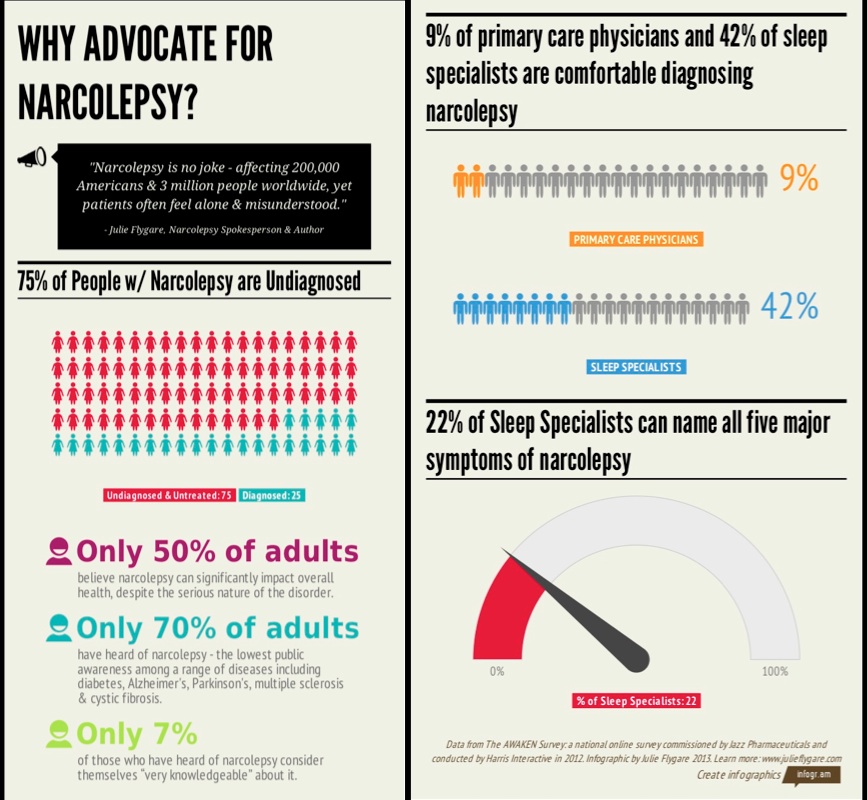
Excessive daytime sleepiness linked to narcolepsy is typically more intense than ordinary tiredness caused by a late night or a demanding schedule. Individuals often describe it as an uncontrollable need to sleep that does not improve significantly with extra rest. If you frequently struggle to stay awake during passive activities such as reading, watching television, or sitting in meetings, you might also relate to questions like Why do I keep dozing off while sitting? Understanding the difference between chronic sleep deprivation and a neurological sleep disorder is key when evaluating your symptoms.
Another common feature of narcolepsy is cataplexy, which is defined as a sudden but temporary loss of muscle tone. Cataplexy can range from mild weakness—such as drooping eyelids or a slack jaw—to a complete collapse of the body while remaining fully conscious. These episodes are often triggered by strong emotions like laughter, surprise, or anger. Importantly, only people diagnosed with type 1 narcolepsy experience cataplexy. Those with type 2 narcolepsy have excessive daytime sleepiness but do not exhibit this symptom.
In addition to sleep attacks and cataplexy, some individuals with narcolepsy may experience sleep paralysis, vivid hallucinations when falling asleep or waking up, and fragmented nighttime sleep. These symptoms can further complicate daily functioning and may lead to confusion about whether the problem stems from insomnia, stress, or another sleep disorder. If you are asking yourself, “Am I narcoleptic or just tired?” it is helpful to consider whether your symptoms go beyond occasional fatigue and involve sudden, uncontrollable episodes of sleep or muscle weakness.

Because narcolepsy shares overlapping symptoms with other conditions—such as obstructive sleep apnea, chronic sleep deprivation, depression, or shift work disorder—it is critical to seek professional assessment rather than self-diagnosing. A sleep specialist can conduct a comprehensive clinical evaluation, review your medical history, and determine whether further testing is necessary. Lifestyle factors, medication use, and mental health conditions are also evaluated to rule out other causes of excessive daytime sleepiness.
If you suspect narcolepsy, it’s important to see a specialist who can administer an official narcolepsy test. Diagnosis typically involves overnight polysomnography followed by the multiple sleep latency test (MSLT). Polysomnography records brain activity, heart rate, breathing patterns, and muscle movements during sleep to identify abnormalities and exclude other sleep disorders. The multiple sleep latency test (MSLT) measures how quickly you fall asleep in a quiet environment during the day and whether you enter rapid eye movement (REM) sleep unusually fast, which is a key diagnostic indicator of narcolepsy.
Many people delay seeking help because they assume their symptoms are simply the result of a busy lifestyle or insufficient rest. While occasional tiredness is common, persistent excessive daytime sleepiness that interferes with work, school, relationships, or safety should not be ignored. For example, unintentionally falling asleep while driving or during important tasks can pose serious risks. Understanding whether you are dealing with typical fatigue or a chronic neurological sleep disorder is essential for both your well-being and safety.
Treatment for narcolepsy does not cure the condition, but it can significantly improve quality of life. Management often includes wake-promoting medications, lifestyle adjustments, and structured sleep schedules. Short, planned daytime naps may help reduce the intensity of sleep attacks for some individuals. Maintaining consistent sleep and wake times, practicing good sleep hygiene, and creating a supportive work or academic environment are also important components of care. Some people explore behavioral approaches and educational resources about Nodding off without drugs to better understand non-pharmacological strategies that support alertness.
It’s also worth noting that chronic sleep deprivation can mimic some symptoms of narcolepsy. If you regularly get fewer than the recommended hours of sleep, work night shifts, or experience frequent nighttime awakenings, your daytime drowsiness may be explained by insufficient rest rather than a neurological disorder. Improving sleep duration and consistency may resolve symptoms in these cases. However, if adequate sleep does not relieve your excessive daytime sleepiness, further evaluation is warranted.
This quiz cannot diagnose you with narcolepsy, nor can it replace a formal medical assessment. Instead, it serves as an educational tool to help you reflect on your symptoms and determine whether they align with common signs of narcolepsy. By answering questions about your daytime alertness, muscle weakness episodes, and sleep patterns, you can gain clearer insight into whether it may be time to consult a sleep specialist.
If you’ve been repeatedly asking yourself, “Am I narcoleptic or just tired?” taking a closer look at the nature, frequency, and severity of your symptoms is an important first step. Early evaluation and appropriate treatment can make a meaningful difference in daily functioning, mental clarity, and overall quality of life. Take the quiz to better understand your symptoms and help guide informed decisions about your next steps in seeking care.






















Leave a Reply
You must be logged in to post a comment.