Signs & Symptoms
Read articles on Signs and Symptoms to help identify early warning signs of health conditions and take timely action for better prevention and care.

Side Effects of Monjuvi: What You Need to Know
Monjuvi (tafasitamab-cxix) is a prescription medication used to treat diffuse large B-cell lymphoma. Like many medicines, Monjuvi can cause side effects that range from mild to severe. Common examples include diarrhea, cough, and fever. Monjuvi is an immunotherapy that targets a form of blood cancer known as diffuse large B-cell lymphoma (DLBCL). (img by Understanding Cancer Immunotherapy Research) Monjuvi is given in combination with another drug called lenalidomide. This regimen…

What Causes Dizziness and Fatigue? 9 Possible Causes
Many different ailments, such as ear infections and low blood sugar, can leave you feeling both dizzy and worn out. In some cases these sensations are fleeting, while in others they may recur. Dizziness is a general term for feeling off-balance or as if the world is spinning. To describe your experience more precisely to a clinician, you can use these specific phrases: Disequilibrium: A sensation of unsteadiness is called…
Sprained Finger
A sprain happens when ligaments are stretched beyond their capacity or torn. Ligaments are the fibrous bands that link bones at a joint. Sprains are very common. While they frequently affect athletes who play sports that involve catching or handling a ball, anyone can easily sprain a finger. (img by Rehab My Patient) What are the symptoms of a sprain? Typical signs of a sprain include pain, swelling, reduced movement,…
Treatment and Recovery for a Smashed Finger
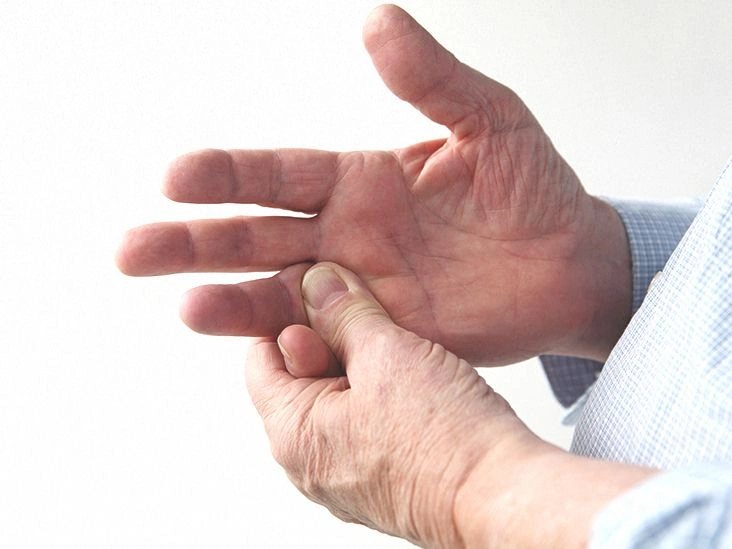
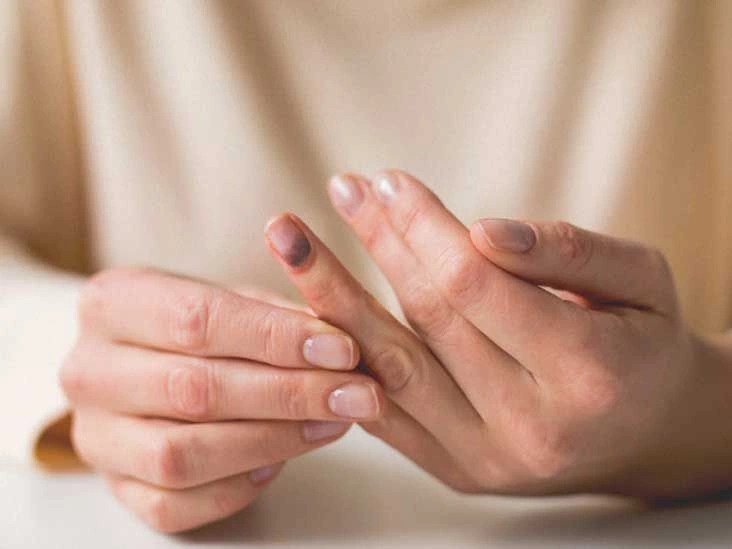
A smashed finger is a form of digital trauma. You may notice intense pain, bruising, stiffness, or altered sensation. Most cases improve naturally with rest, ice, and basic pain management. (img by Prepared Physician) If you’ve ever caught a finger in a door or struck it with a tool, you’re familiar with typical smashed finger symptoms. Any blunt force to the finger can result in: intense finger pain, often described…

What Causes a Persistent Low-Grade Fever and How Is It Treated?
Ongoing mild fevers can arise from a variety of causes. Viral or bacterial infections, emotional stress, certain medications, thyroid disorders, autoimmune conditions, and numerous other issues can all produce a low-grade fever. (img by GrepMed) A fever occurs when a person’s body temperature is elevated above the typical range. For most people, normal body temperature is approximately 98.6° Fahrenheit (37° Celsius). The term “low-grade” denotes a slight rise in temperature…
Night Sweats and Alcohol
Night sweats are most often benign. However, alcohol consumption can sometimes be a more concerning cause. This may occur in people with an alcohol use disorder, those who binge drink, or even after a single drink in some individuals. You might not view sweating as beneficial, but it plays a key role. Perspiration is an essential component of the body’s cooling mechanism. Sweat glands remain active even while you sleep.…

Vyvanse Crash: What It Is and How to Deal with It
Introduction Vyvanse is a prescribed medication used to manage attention deficit hyperactivity disorder (ADHD) and binge-eating disorder. Its active component is lisdexamfetamine. Vyvanse belongs to the amphetamine class and acts as a central nervous system stimulant. Some people taking Vyvanse report feeling tired, irritable, or experiencing other symptoms several hours after a dose. This phenomenon is often referred to as a Vyvanse crash or Vyvanse comedown. Read on to understand…
Scalp Pain: Causes, Treatment, and More
Your scalp can become painful for a variety of reasons, ranging from skin conditions and tension-related headaches to infections. How it’s treated depends on what’s causing the discomfort. Scalp tenderness can stem from many issues, from easily managed dandruff to infestations or infections. Typical signs include prickling, burning, or tingling sensations, along with flaky or itchy skin. Continue reading to discover possible causes and ways to address them. (img by…
All About Tunneling Wounds and Their Treatment
Tunnels beneath the skin’s surface indicate a wound that isn’t healing properly. Tissue is being lost, and without appropriate care, more severe complications can develop. An open sore is distressing to see. But what lies hidden beneath the visible wound can be even more troubling. Read on to learn why tunneling wounds develop, how they’re managed, and whether you can reduce your risk of getting them. (img by West Coast…

About Tilt-Table Testing
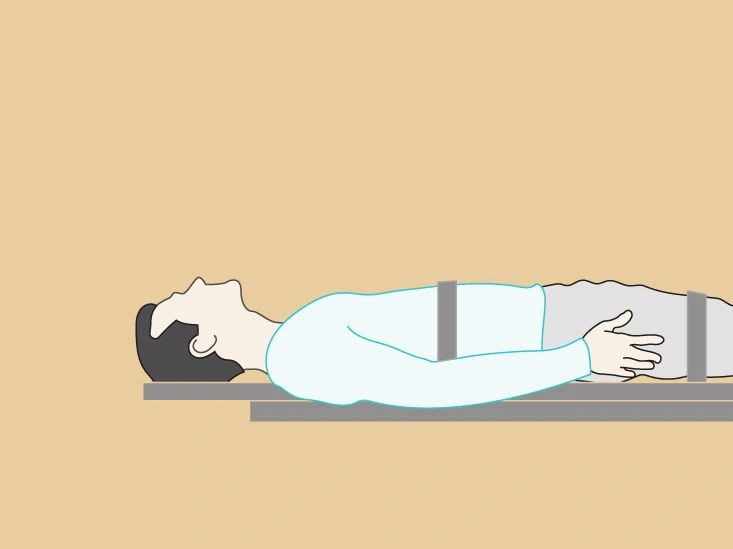
Fast facts A tilt-table test involves rapidly adjusting a person’s position and observing how their blood pressure and heart rate react. This procedure is commonly ordered for individuals who experience symptoms such as a rapid heartbeat or frequent fainting when moving from sitting to standing. Physicians refer to this as syncope. Possible risks of the test include nausea, dizziness, and fainting. What it does Doctors use a tilt-table test to…