
Fast facts
- A tilt-table test involves rapidly adjusting a person’s position and observing how their blood pressure and heart rate react.
- This procedure is commonly ordered for individuals who experience symptoms such as a rapid heartbeat or frequent fainting when moving from sitting to standing. Physicians refer to this as syncope.
- Possible risks of the test include nausea, dizziness, and fainting.
What it does
Doctors use a tilt-table test to help diagnose conditions that affect how the body regulates blood pressure and heart rate during position changes. It is frequently performed when disorders such as syncope or Postural orthostatic tachycardia syndrome (POTS) are suspected. In many cases, the evaluation may resemble what is known as a POTS 10 minute standing test, as both assess heart rate and blood pressure responses within the first 10 minutes of standing.
Neurally mediated hypotension
This condition, also referred to as the fainting reflex or autonomic dysfunction, occurs when the heart rate slows rather than increases upon standing. As a result, blood can pool in the legs and arms instead of circulating effectively to the brain. This may lead to lightheadedness or a fainting sensation, especially after prolonged standing or sudden posture changes.
Neurally mediated syncope
Individuals with this syndrome may notice warning signs such as nausea, lightheadedness, or pale skin before briefly losing consciousness. These symptoms are typically triggered by standing or remaining upright for extended periods.
Postural orthostatic tachycardia syndrome (POTS)
This disorder is characterized by significant physiological changes when a person moves from sitting or lying down to standing. Doctors associate POTS with an increase in heart rate up to 30 beats and feeling faint within 10 minutes of standing up from a sitting position. Because of this defined timeframe, clinicians often compare findings to a POTS 10 minute standing test performed in office settings or even through a structured POTS test at home under medical guidance.
Women between the ages of 15 and 50 are more likely to experience POTS, according to the National Institute of Neurological Disorders and Stroke. Symptoms may include palpitations, fatigue, brain fog, and exercise intolerance, all of which can significantly impact daily functioning.
The tilt-table test recreates the transition from sitting to standing in a closely monitored environment. This allows a physician to directly observe how the autonomic nervous system responds, similar to assessments done during a POTS test online screening, though the tilt-table test provides more controlled and measurable clinical data.
Side effects
The main goal of the tilt-table test is to reproduce and evaluate the symptoms you experience with postural changes, including those seen during a POTS 10 minute standing test.
While some people tolerate the procedure without difficulty, others may develop symptoms such as dizziness, feeling faint, or even temporary loss of consciousness. Nausea is also relatively common. These effects are usually brief and resolve once the table is returned to a flat position.
How to prepare
Follow advice on when to eat
Because standing-related symptoms can include nausea, your doctor may advise you to avoid eating for two to eight hours before the procedure. Fasting helps reduce the likelihood of vomiting or significant stomach discomfort during the test.
Talk about medications you’re taking
Your physician will review all medications you currently use. Certain drugs can influence heart rate or blood pressure, which may affect test accuracy. You’ll receive specific instructions about which medications to continue or temporarily pause before the tilt-table test. Always consult your doctor if you are unsure about a particular prescription.
Consider if you’ll drive yourself or get a ride
Since the test may trigger fainting or lingering lightheadedness, arranging transportation home is often a wise precaution. Planning ahead ensures you can recover comfortably and safely after the appointment.
What happens during a tilt-table test?
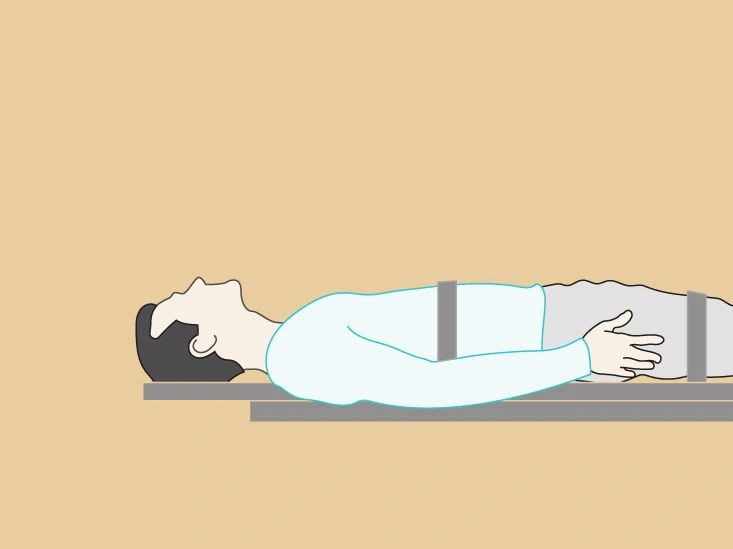
The tilt table functions exactly as its name suggests: it enables a healthcare professional to change the angle of a flat surface while you remain secured on it.

Here’s what typically occurs during the procedure:
- You will lie flat on a specialized table. A healthcare provider will attach monitoring devices, including a blood pressure cuff, electrocardiogram (ECG) leads, and an oxygen saturation probe. An intravenous (IV) line may also be placed in your arm to administer medications if required.
- The table is then tilted so your head is elevated about 30 degrees above your body. Your vital signs are recorded at this stage.
- Next, the table is raised further — often to about 60 degrees or more — positioning you nearly upright. Blood pressure, heart rate, and oxygen levels are measured repeatedly to detect changes. This phase closely mirrors the timing and monitoring involved in a POTS 10 minute standing test.
- If your blood pressure drops significantly or you begin to feel faint, the table will be returned to a flat position promptly. This usually relieves symptoms.
- If no notable changes occur and you remain stable, you may move to the second phase of testing. Individuals who already show symptoms may not need this additional step.
- A medication called isoproterenol (Isuprel) may be given to stimulate the heart, causing it to beat faster and more forcefully, similar to the effects of strenuous exercise.
- The table is again tilted to around 60 degrees, and you’ll remain upright for approximately 15 minutes to observe any reaction.
If your vital signs remain stable, the entire process generally lasts about an hour and a half. However, if significant symptoms develop, the test will be stopped early for safety.
After the test
Once the procedure is complete — or if it is stopped due to symptoms — medical staff may transfer you to a bed or chair in a recovery area. You’ll typically be monitored for 30 to 60 minutes.
Nausea can occur afterward, and anti-nausea medication may be provided if needed. Most individuals are able to go home the same day. However, if you experienced fainting, your doctor may recommend observation for a longer period or advise that someone drive you home.
Tilt-table test results
What negative means
If no significant changes in heart rate or blood pressure occur during positional adjustments, the result is considered negative.
A negative result does not entirely rule out a medical condition. It simply indicates that this specific test did not reproduce abnormal findings. Your doctor may suggest additional monitoring, such as wearing a Holter monitor to track heart rhythm over an extended period.
What positive means
If your blood pressure or heart rate shifts significantly during the test, the result is positive. Further recommendations depend on your body’s response.
For example, if your heart rate slows, additional cardiac testing may be advised. Your physician might prescribe midodrine to help prevent blood pressure drops.
If your heart rate increases substantially, medications such as fludrocortisone, indomethacin, or dihydroergotamine may be considered to reduce the likelihood of recurrent episodes.
In some cases, further specialized evaluations are necessary to better understand the underlying cause and guide long-term management.
The takeaway
Several methods can measure blood pressure and heart rate changes related to posture, including the widely referenced POTS 10 minute standing test. However, the tilt-table test may be particularly useful in diagnosing older adults, according to research published in Clinical Interventions in Aging.
Before undergoing the procedure, your doctor will explain how it may assist in clarifying your diagnosis and review potential risks. Open communication helps ensure you understand the purpose and expected outcomes of the test.
If your results are negative but you continue to experience symptoms such as dizziness, palpitations, or fainting with standing, follow up with your healthcare provider. They may reassess your medications, explore other diagnostic options, or recommend further evaluation tailored to your symptoms.























Leave a Reply
You must be logged in to post a comment.